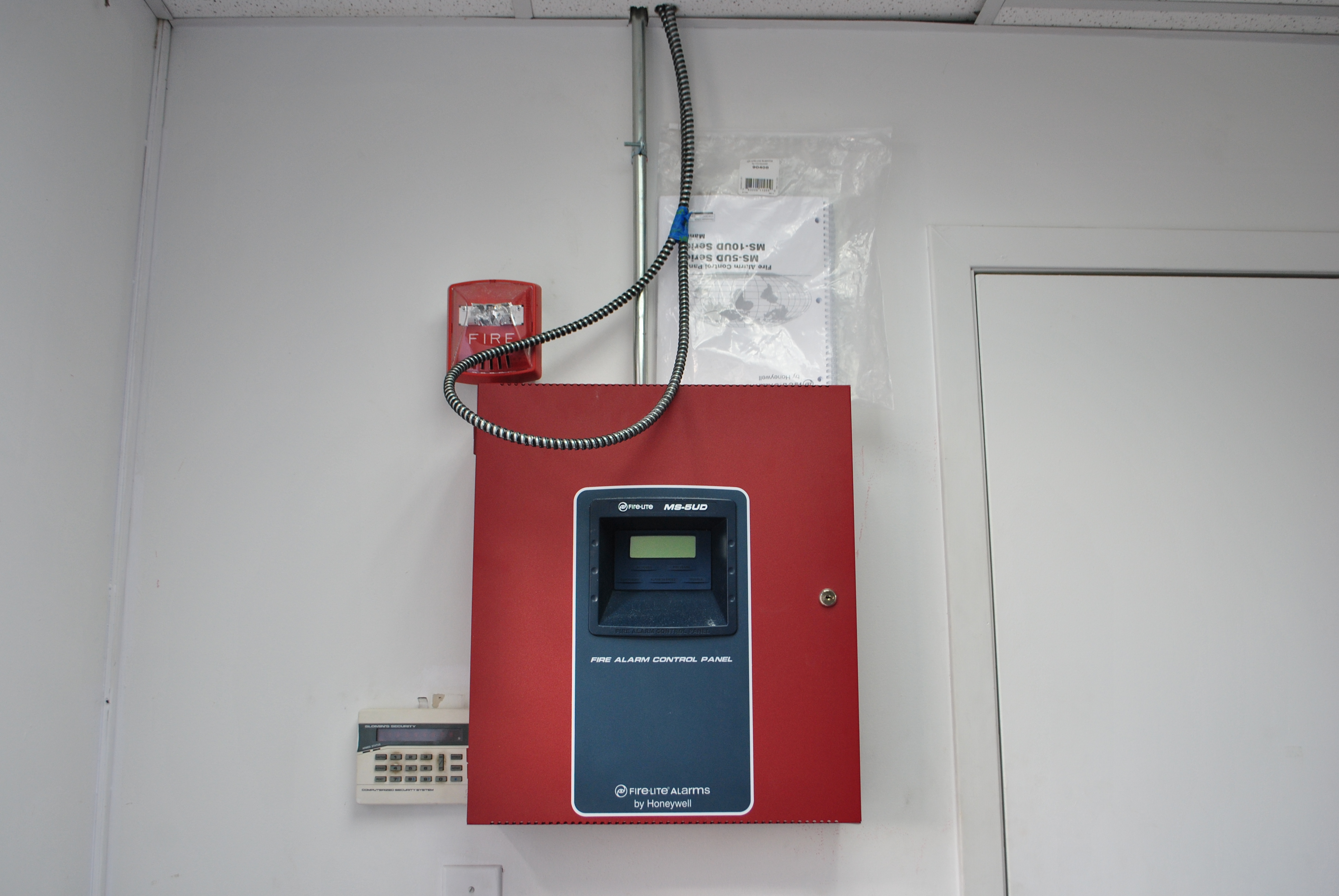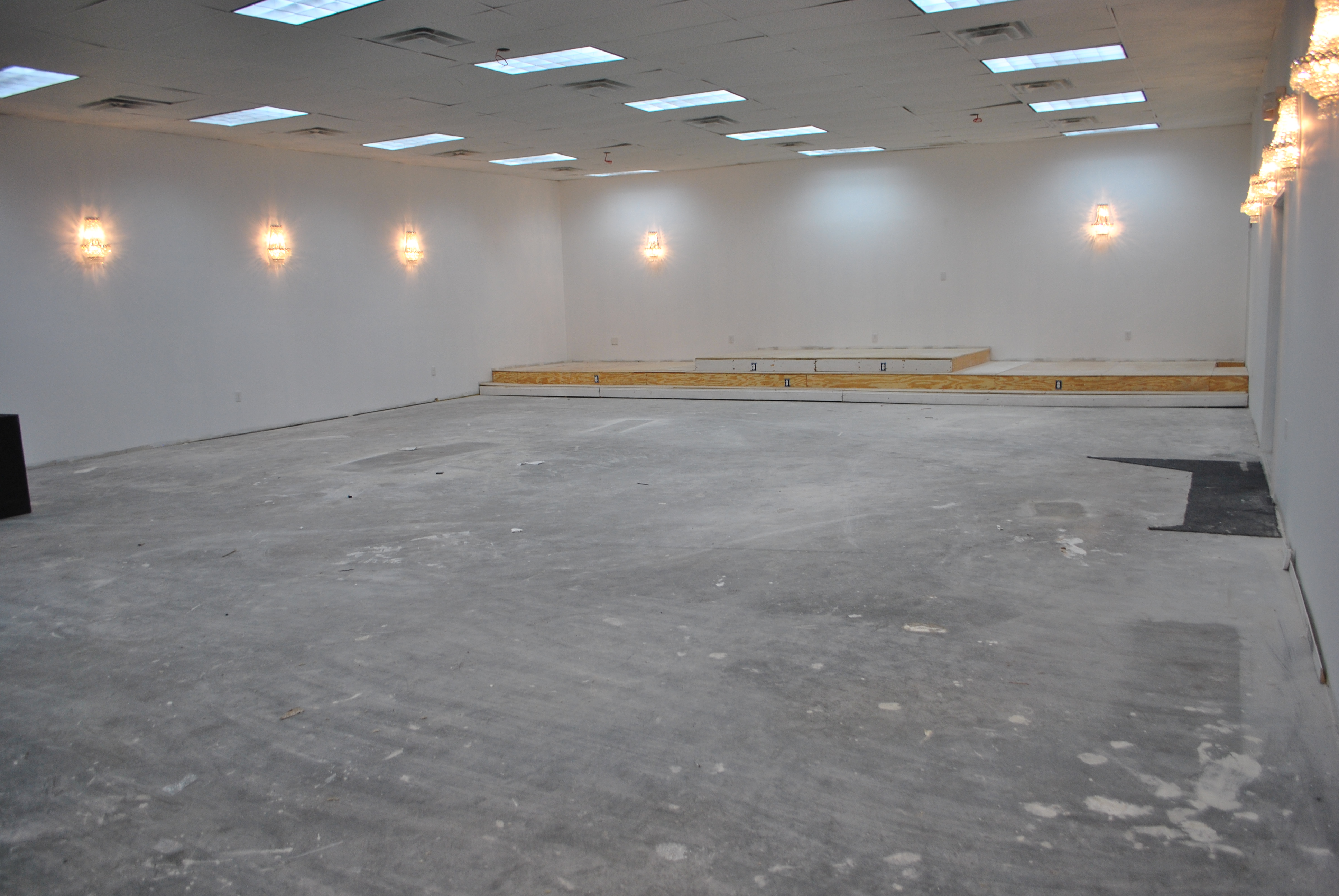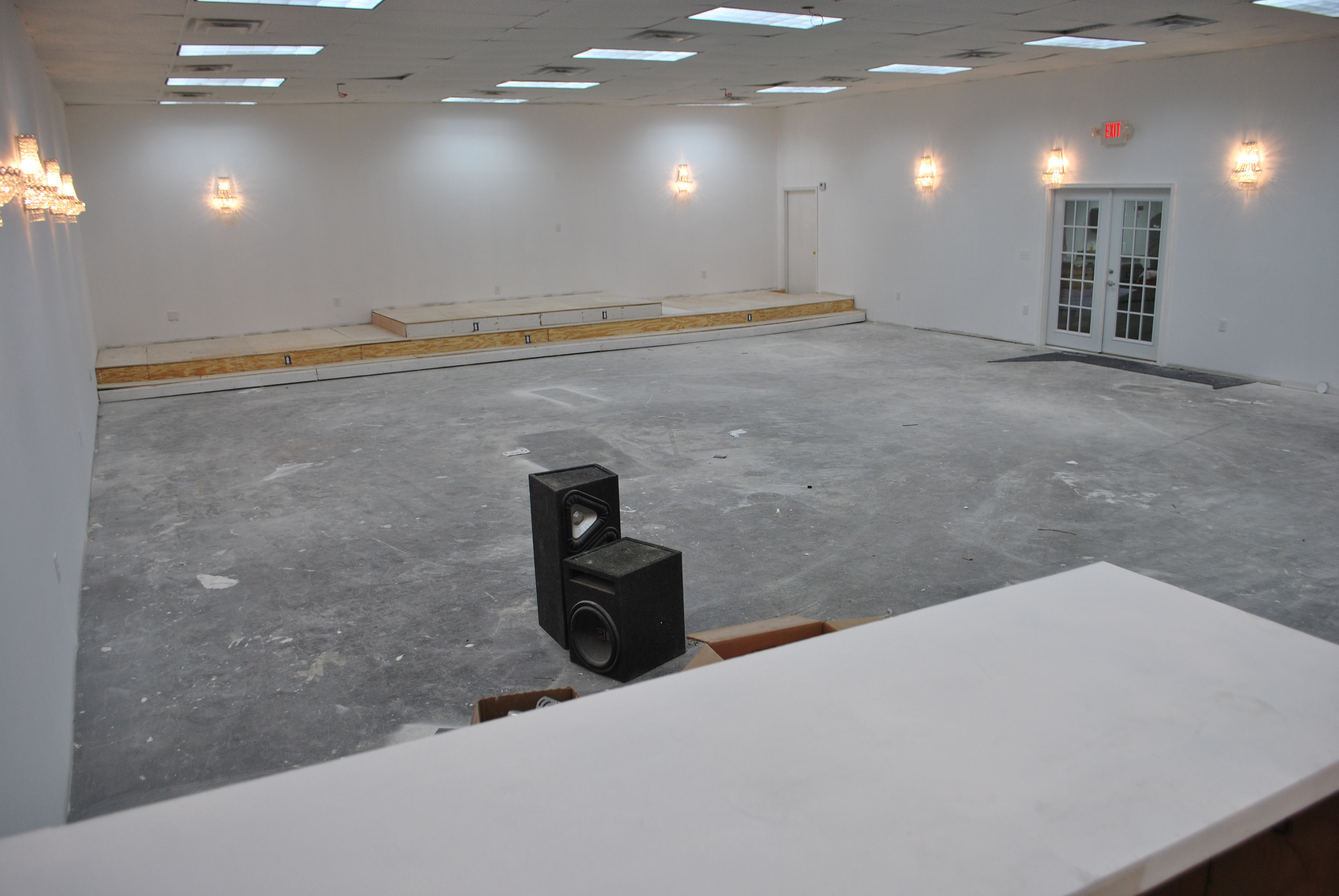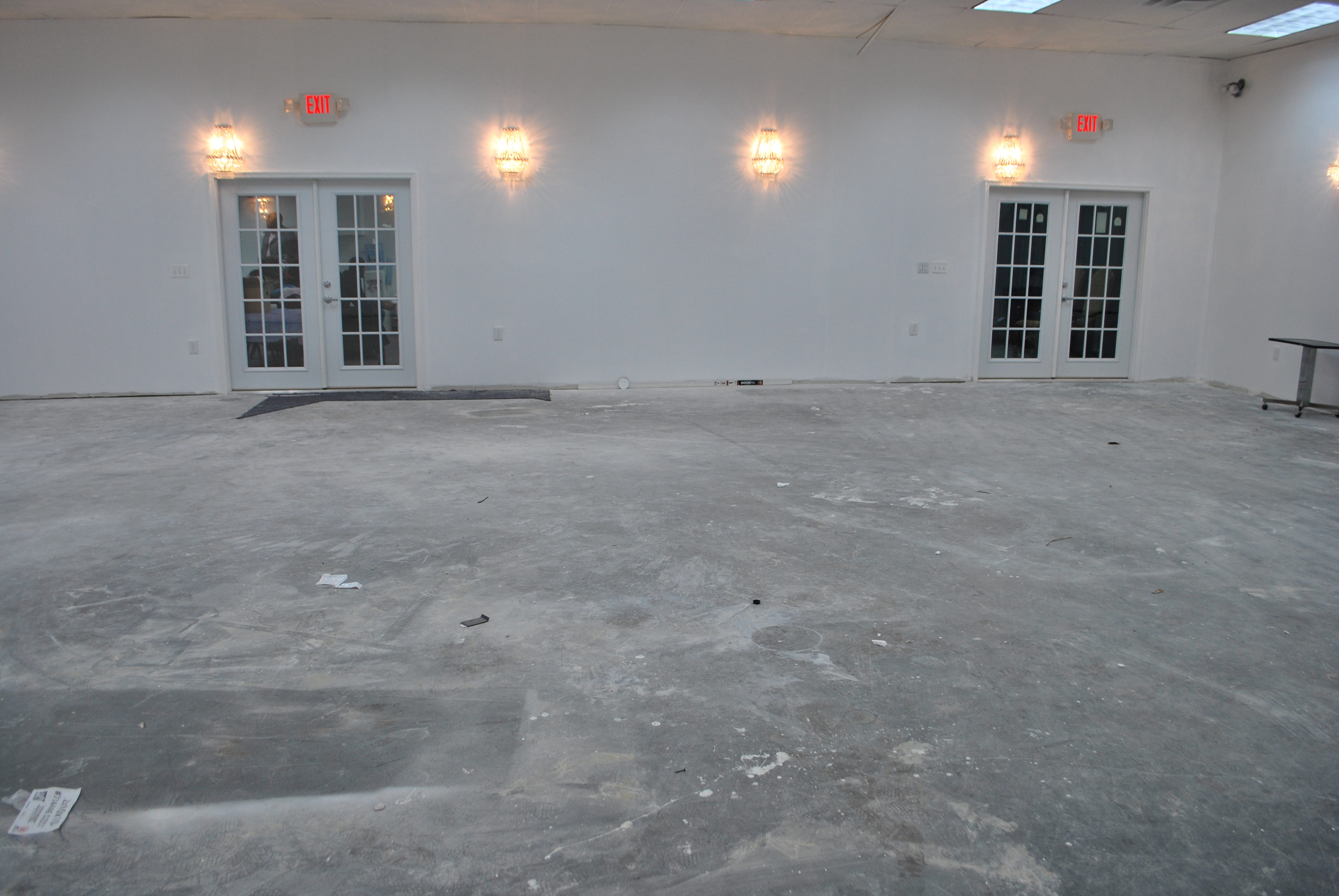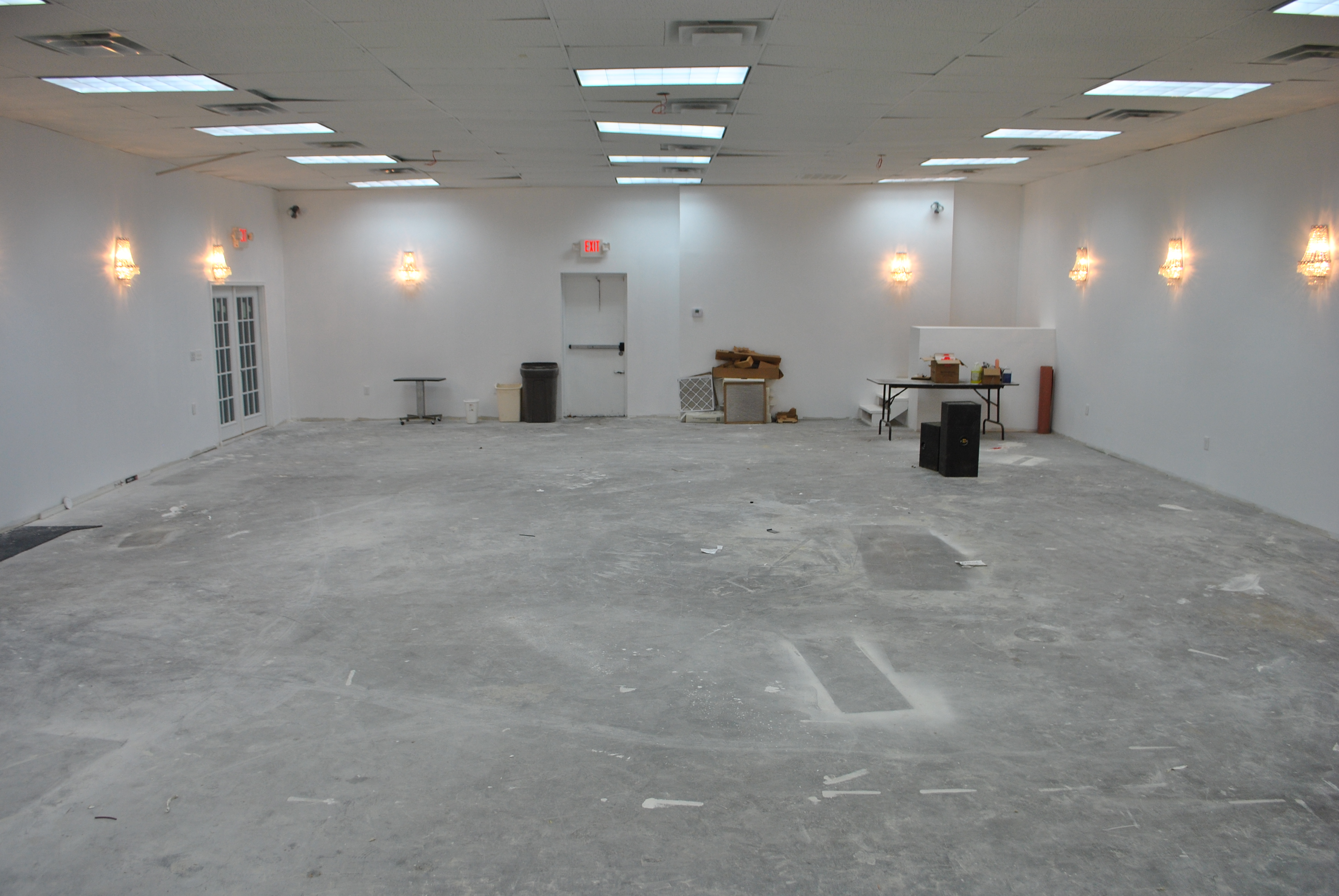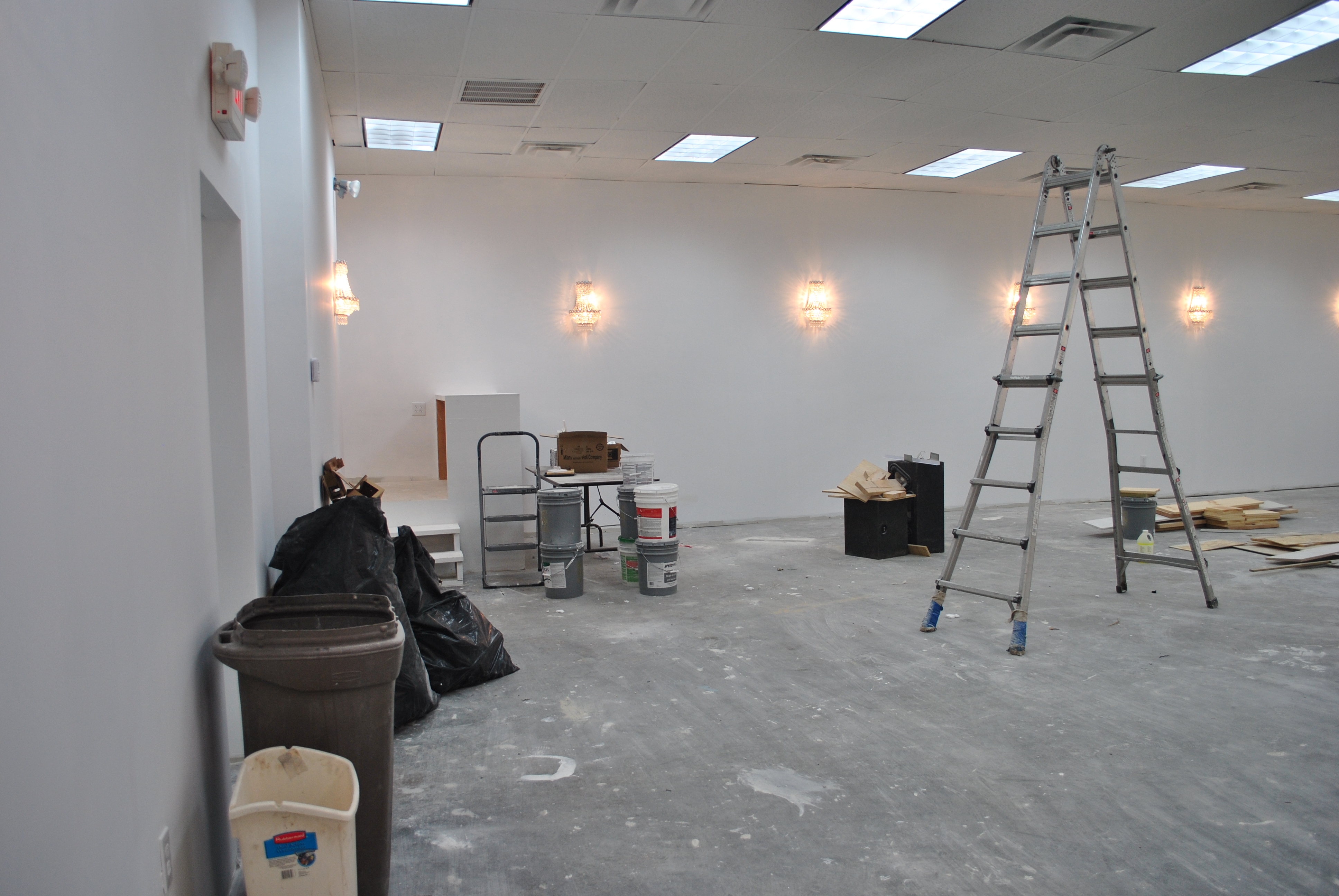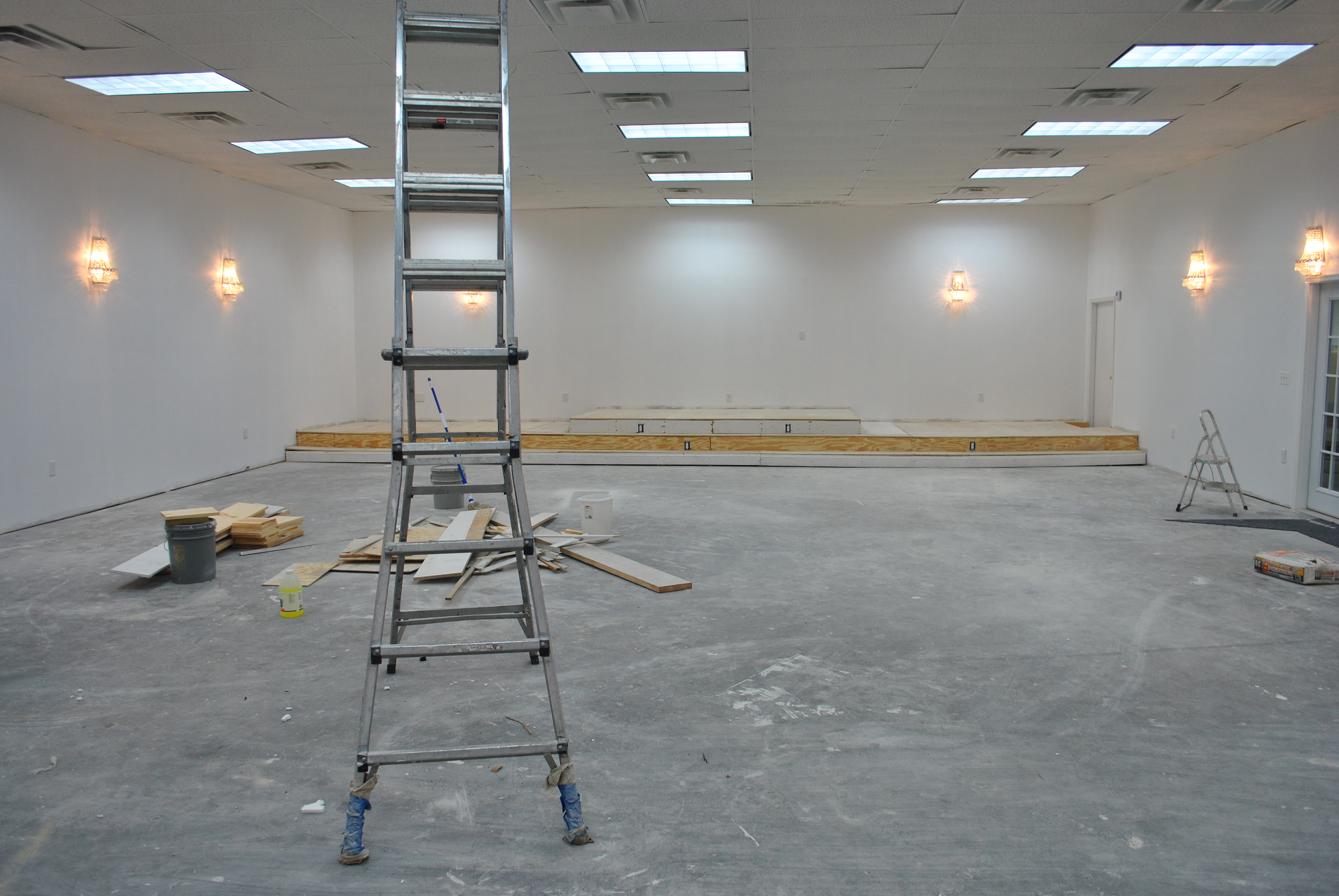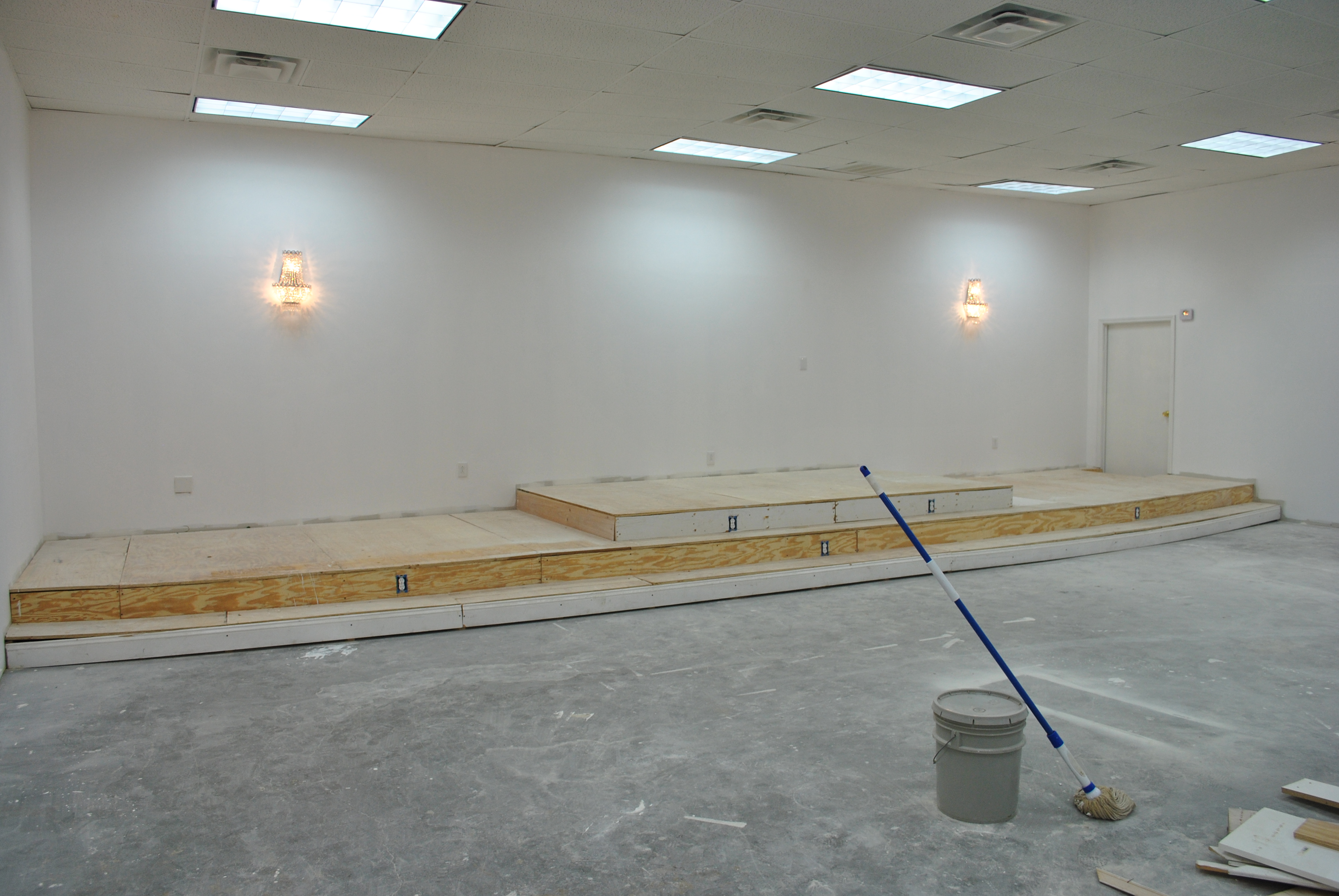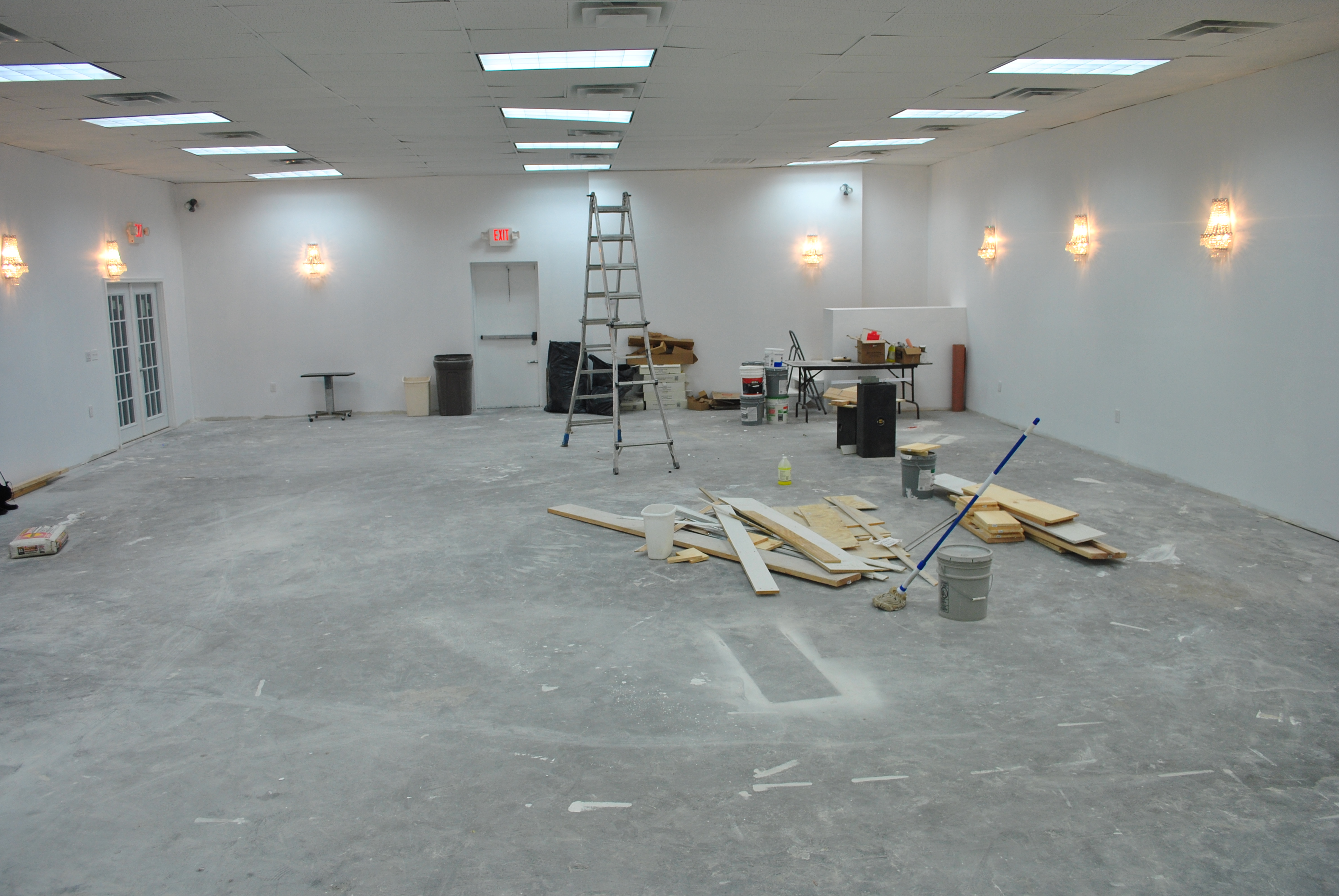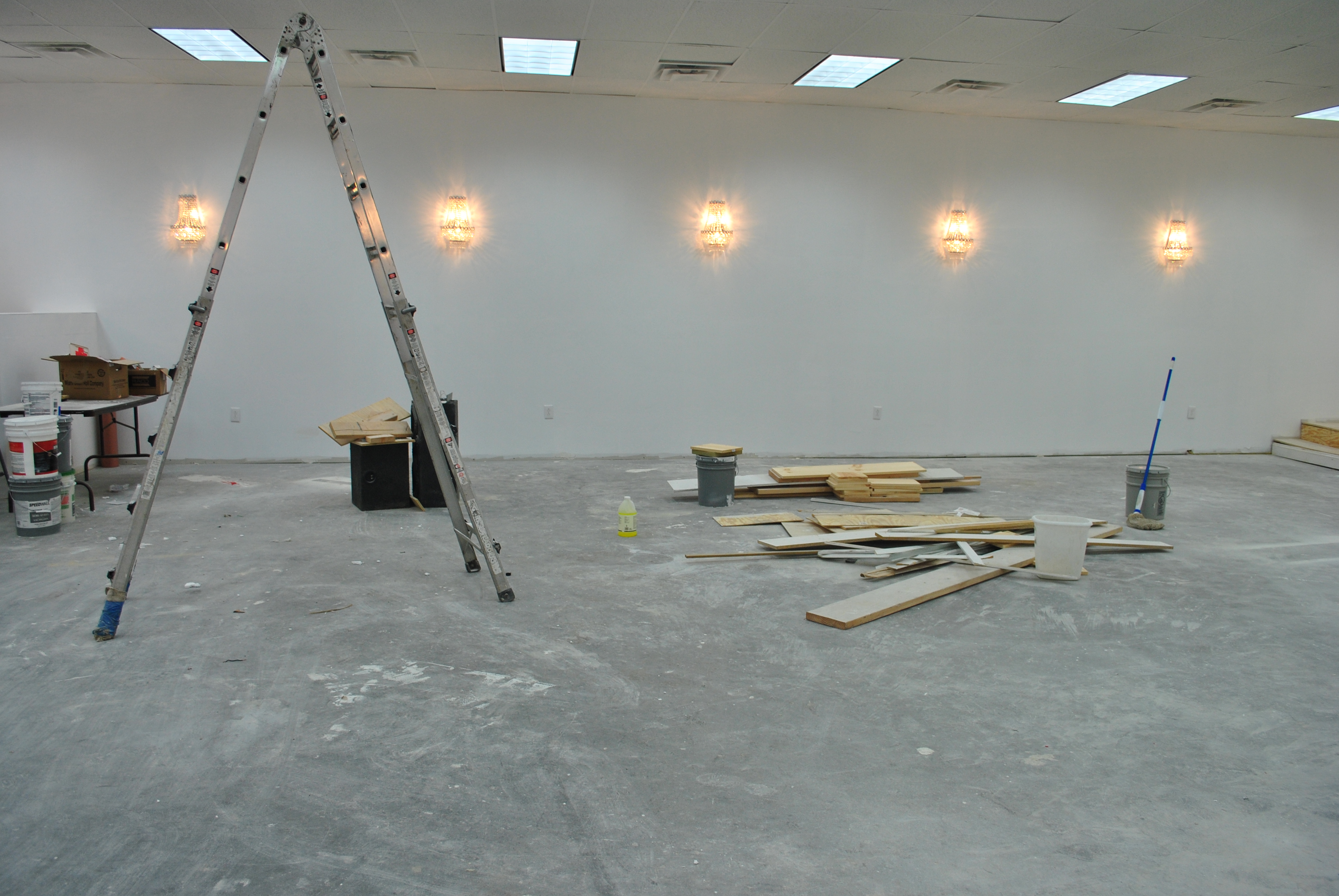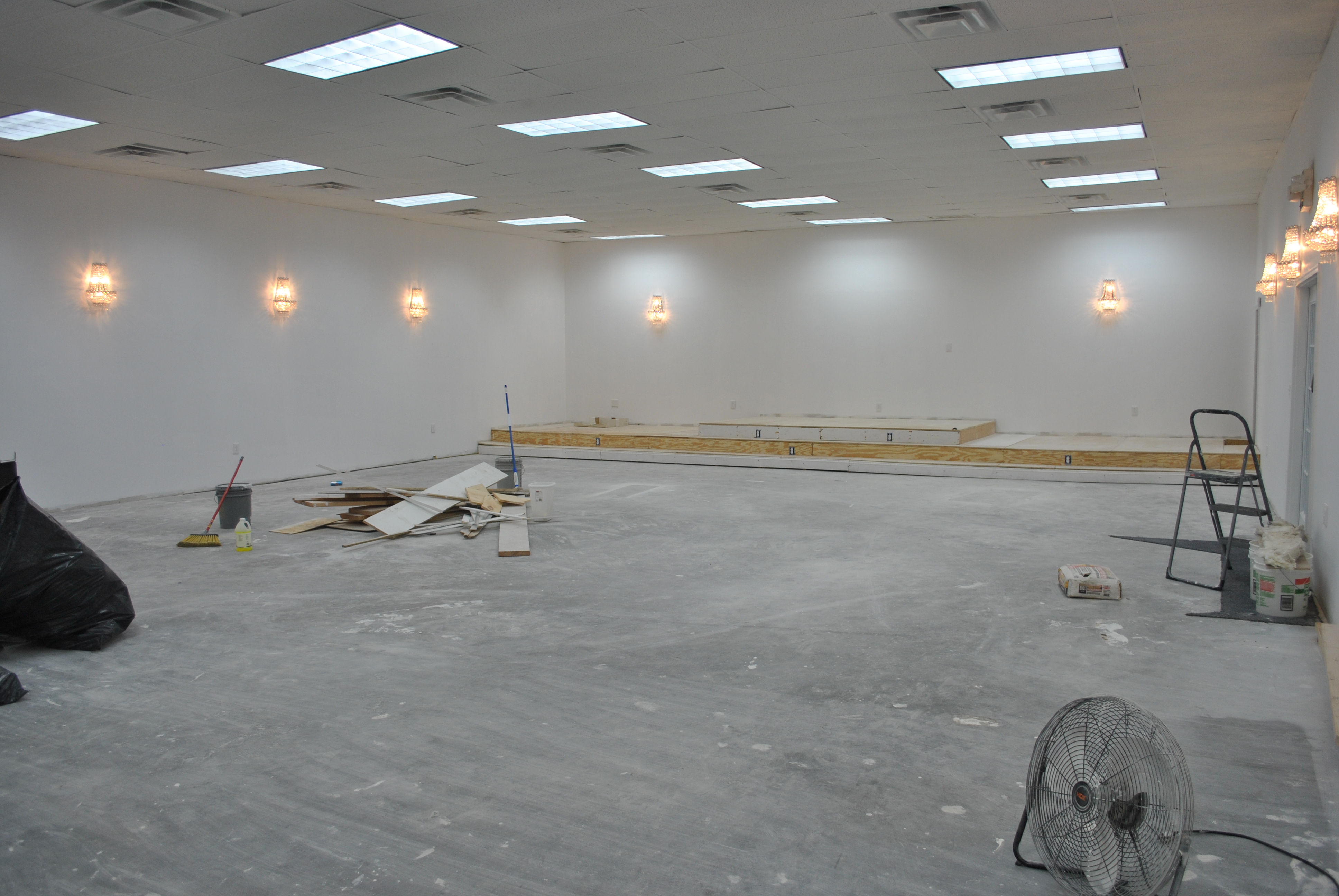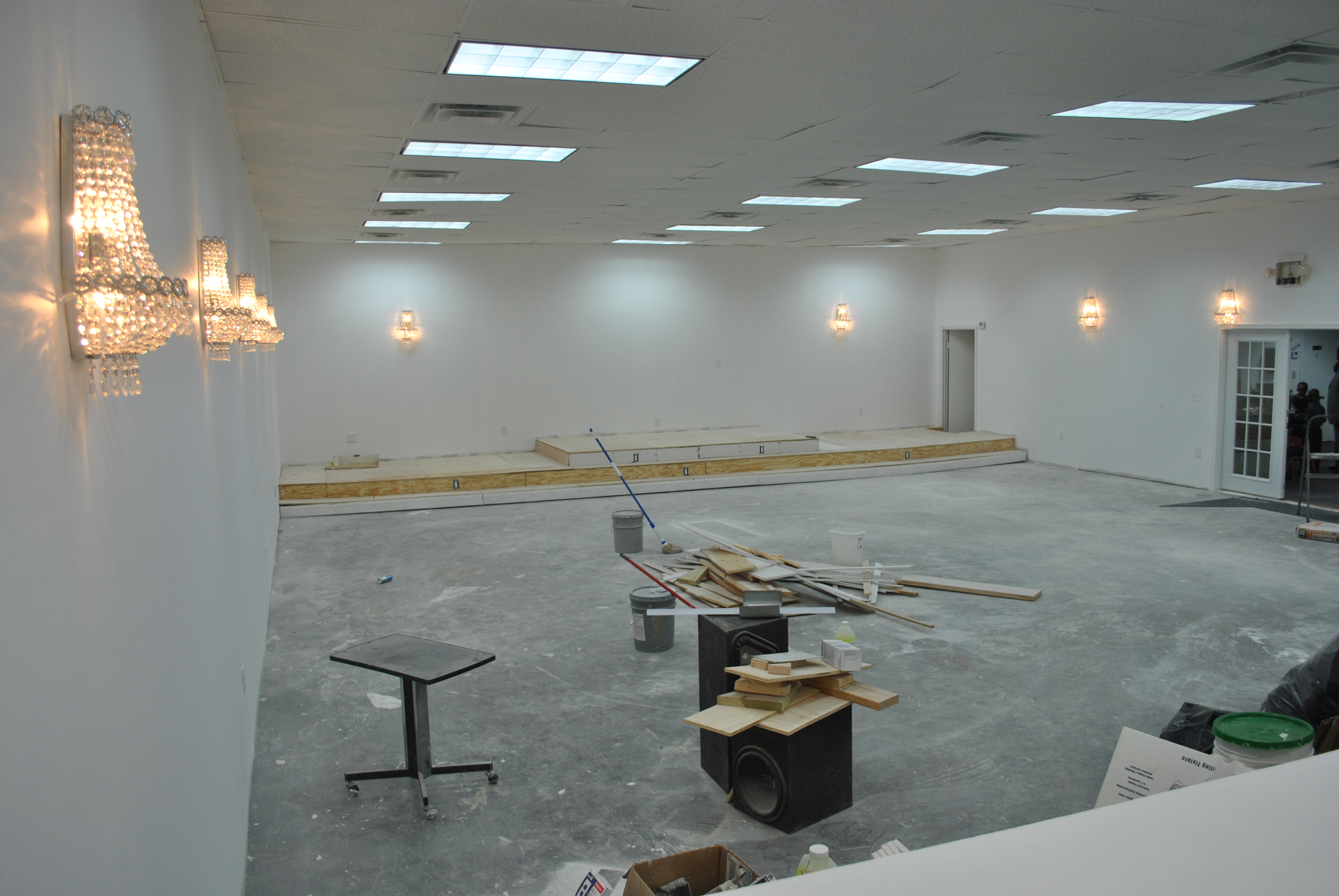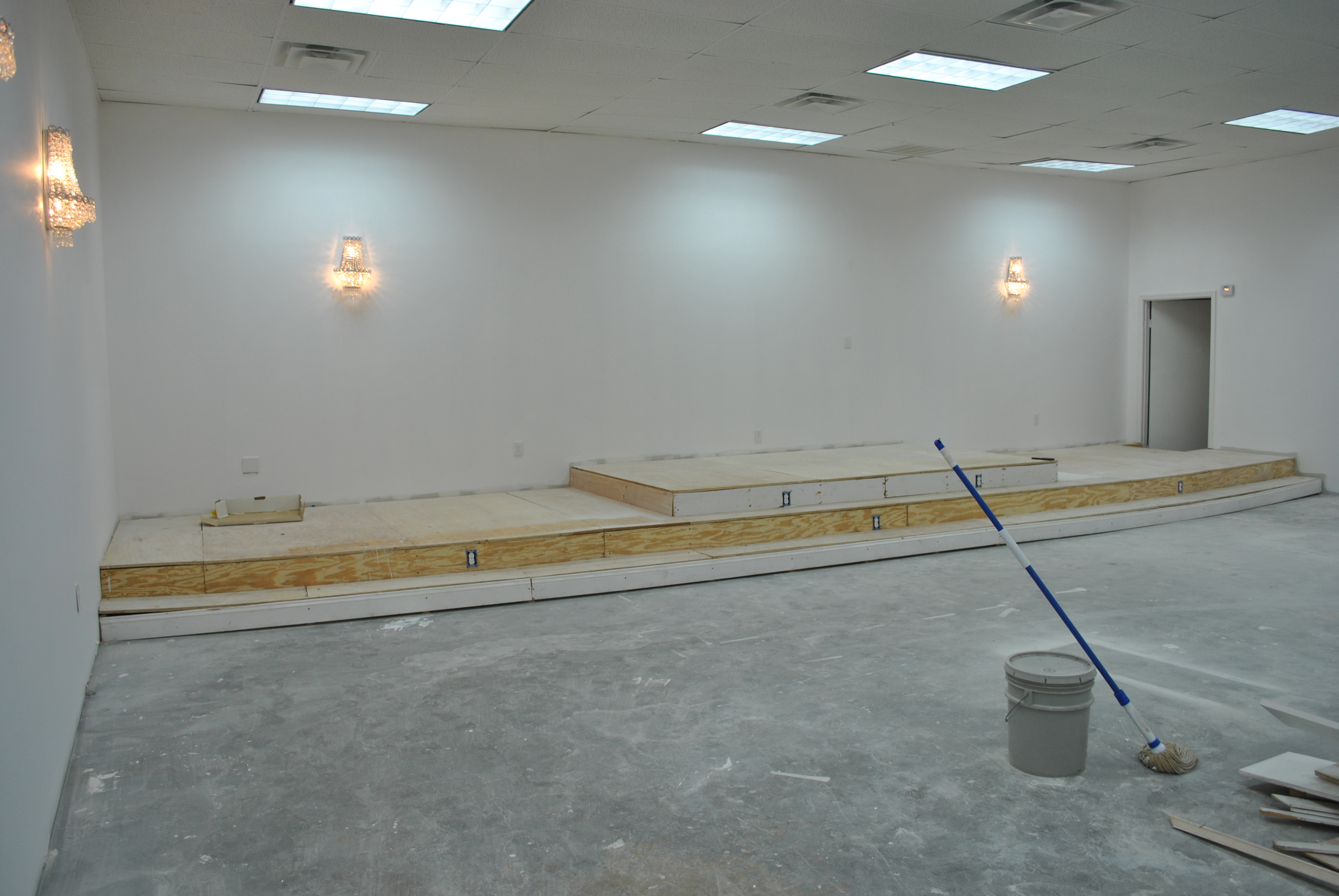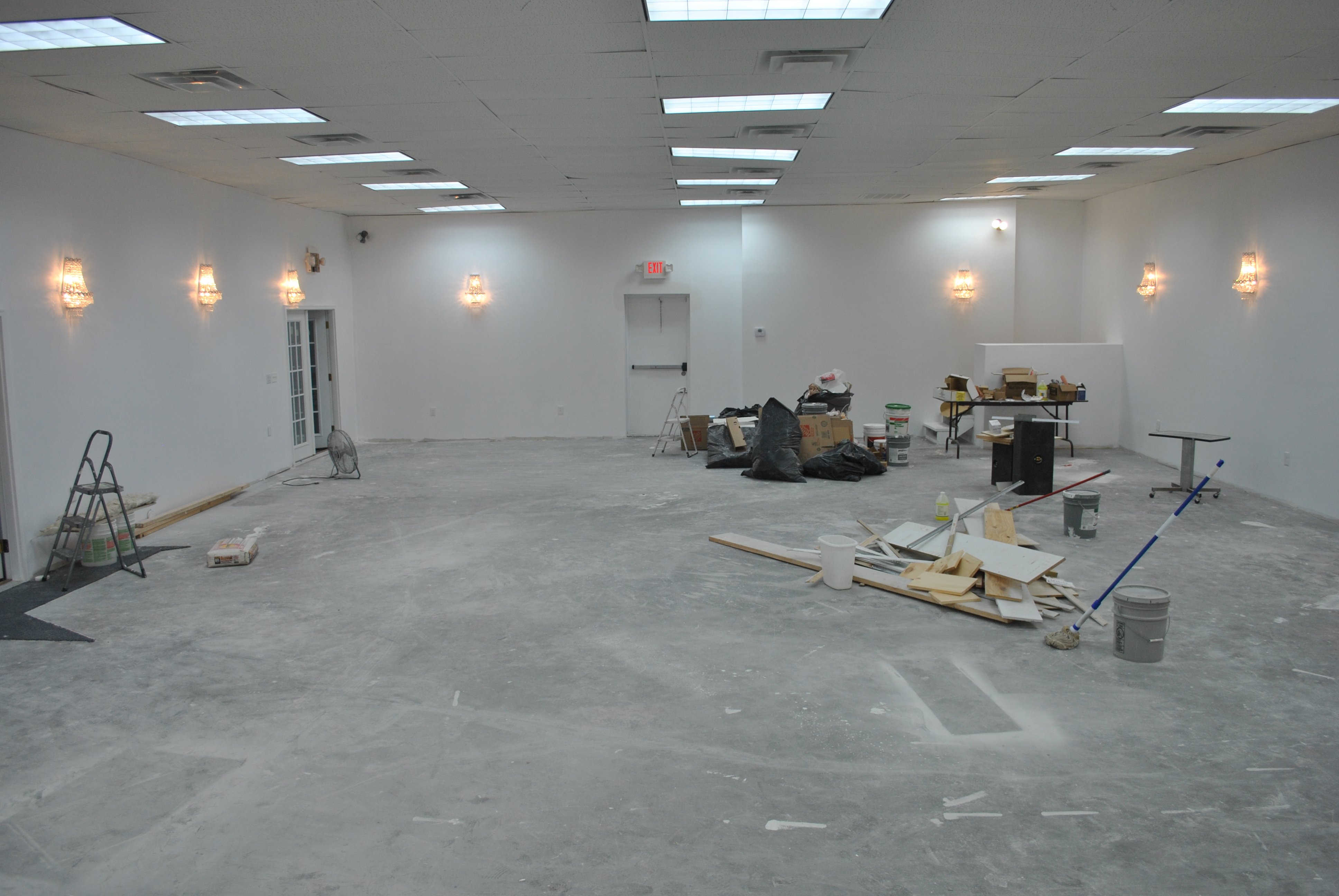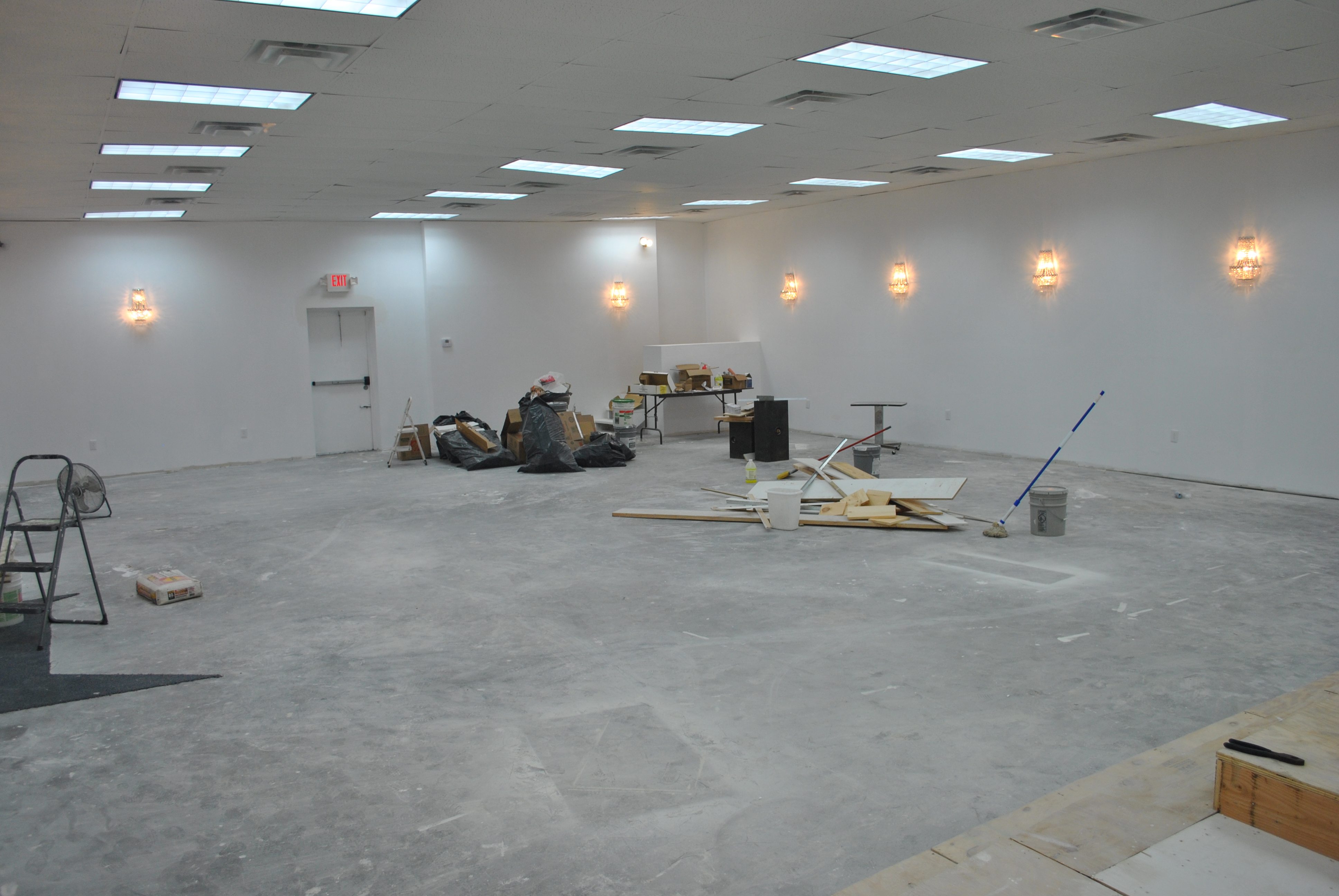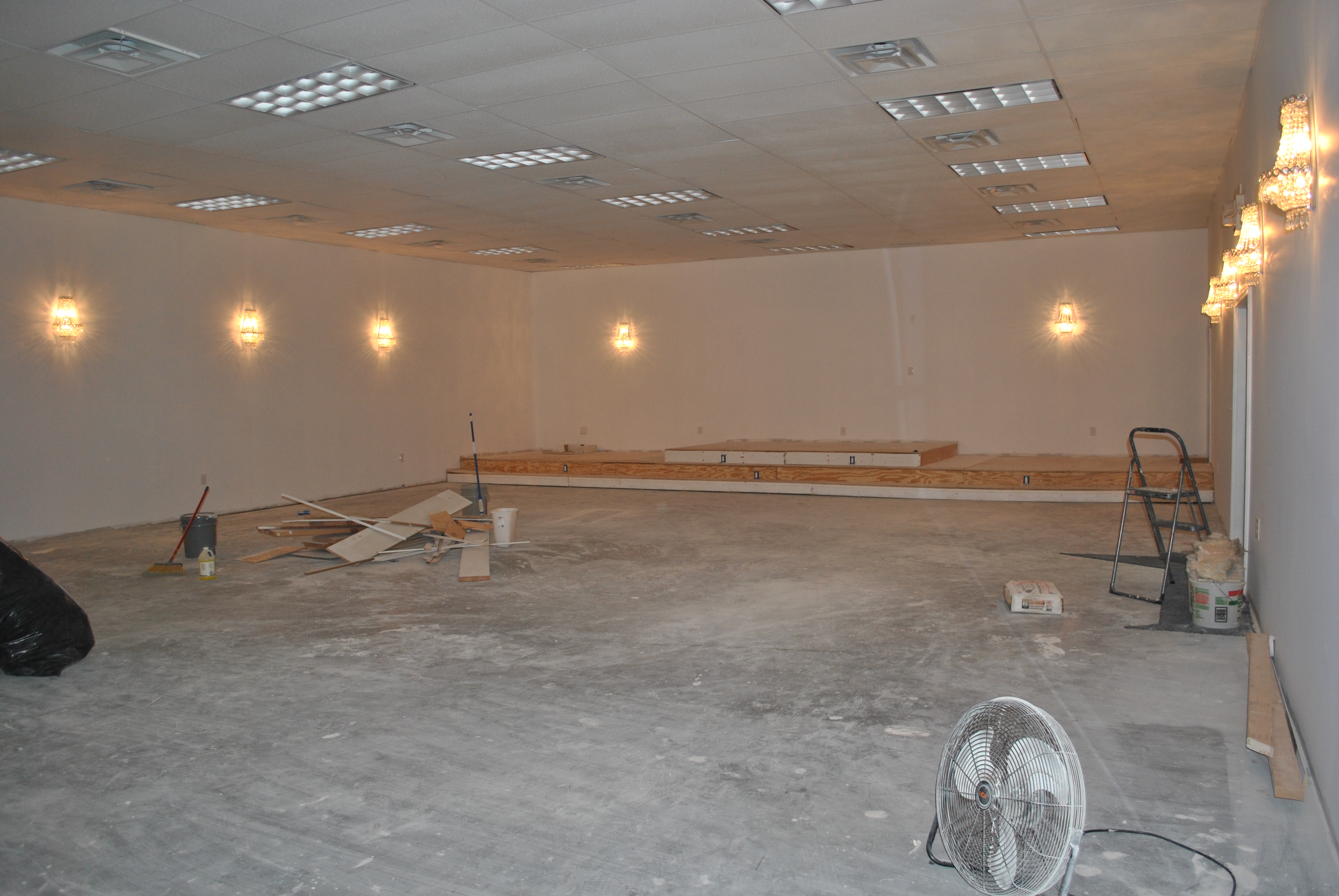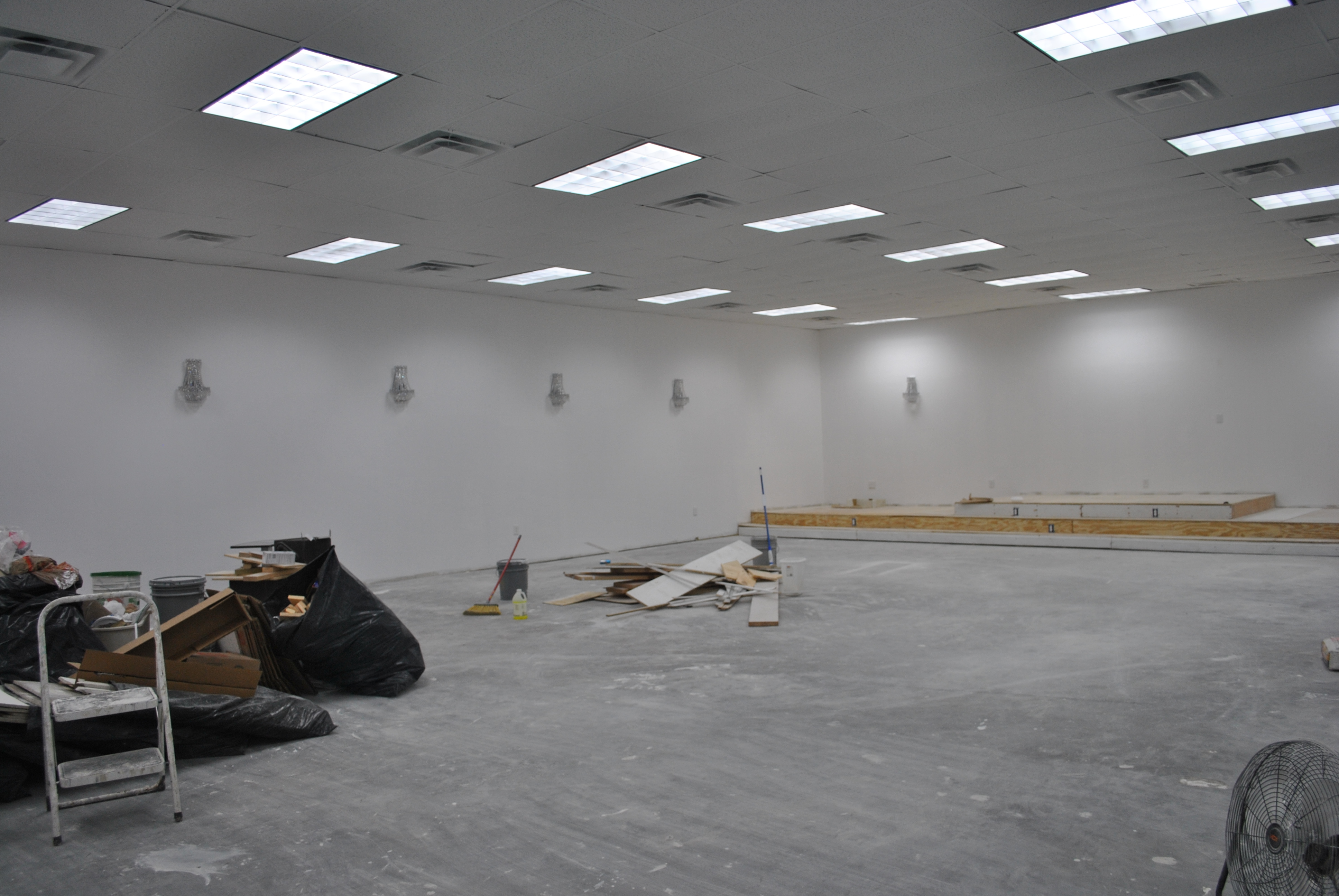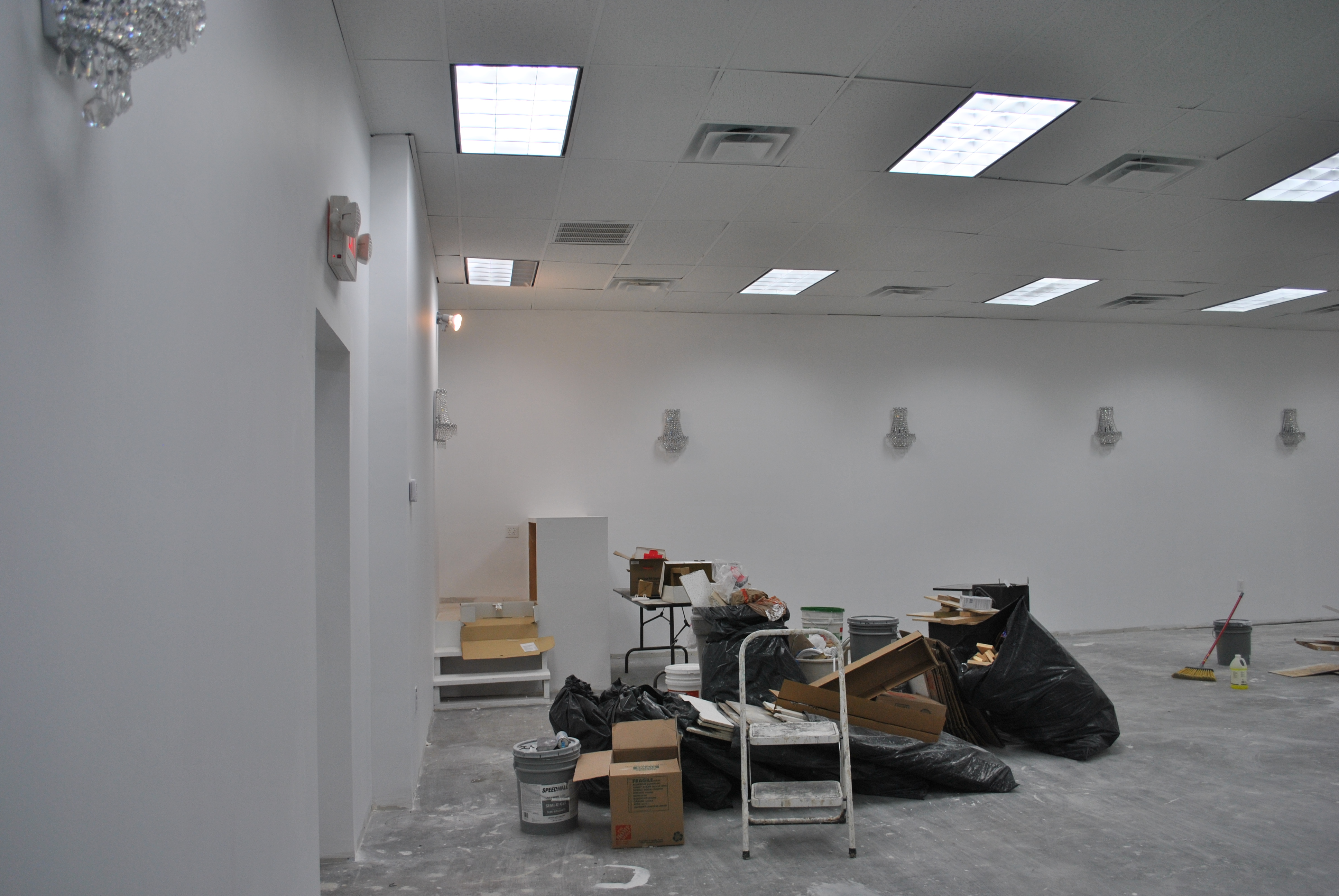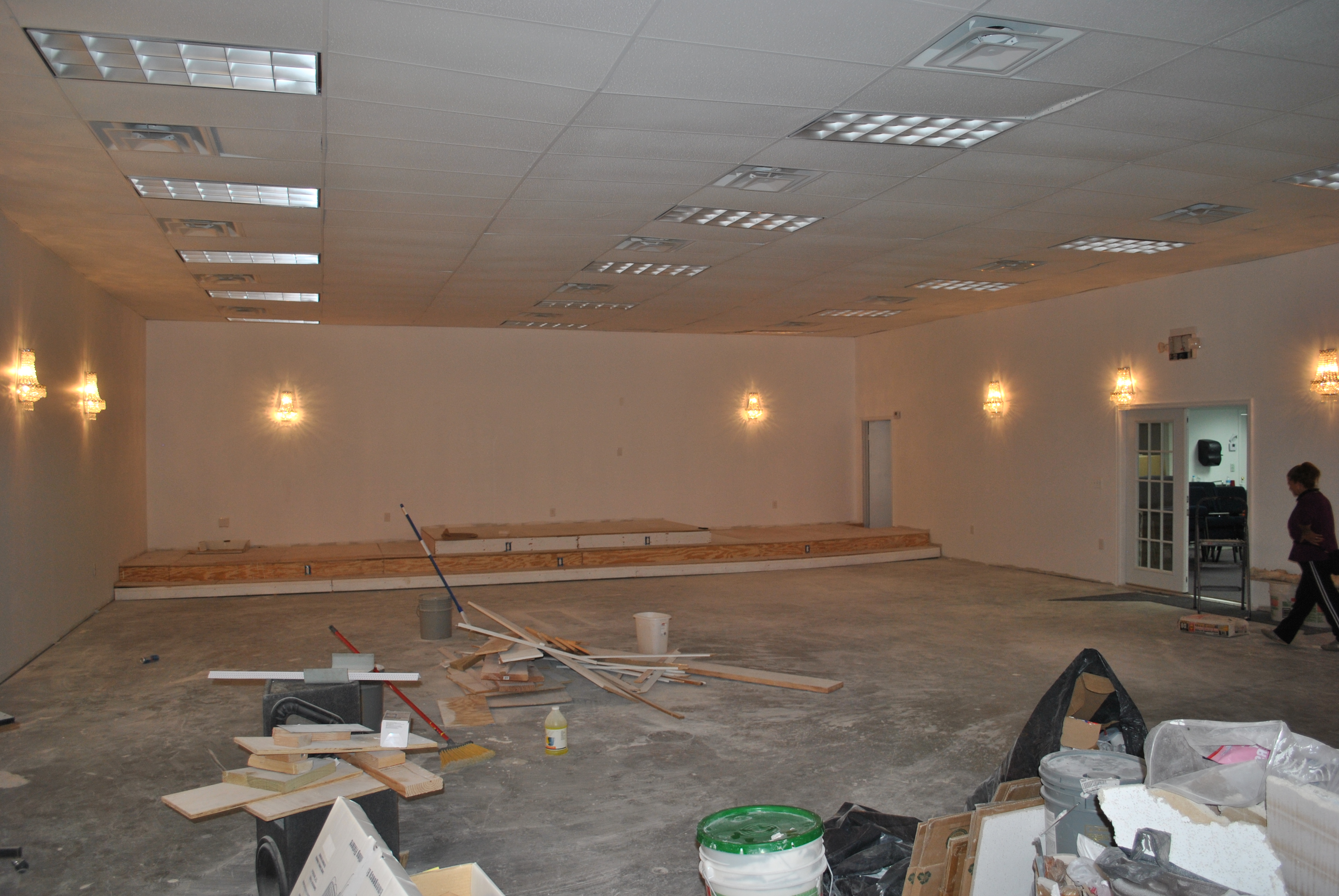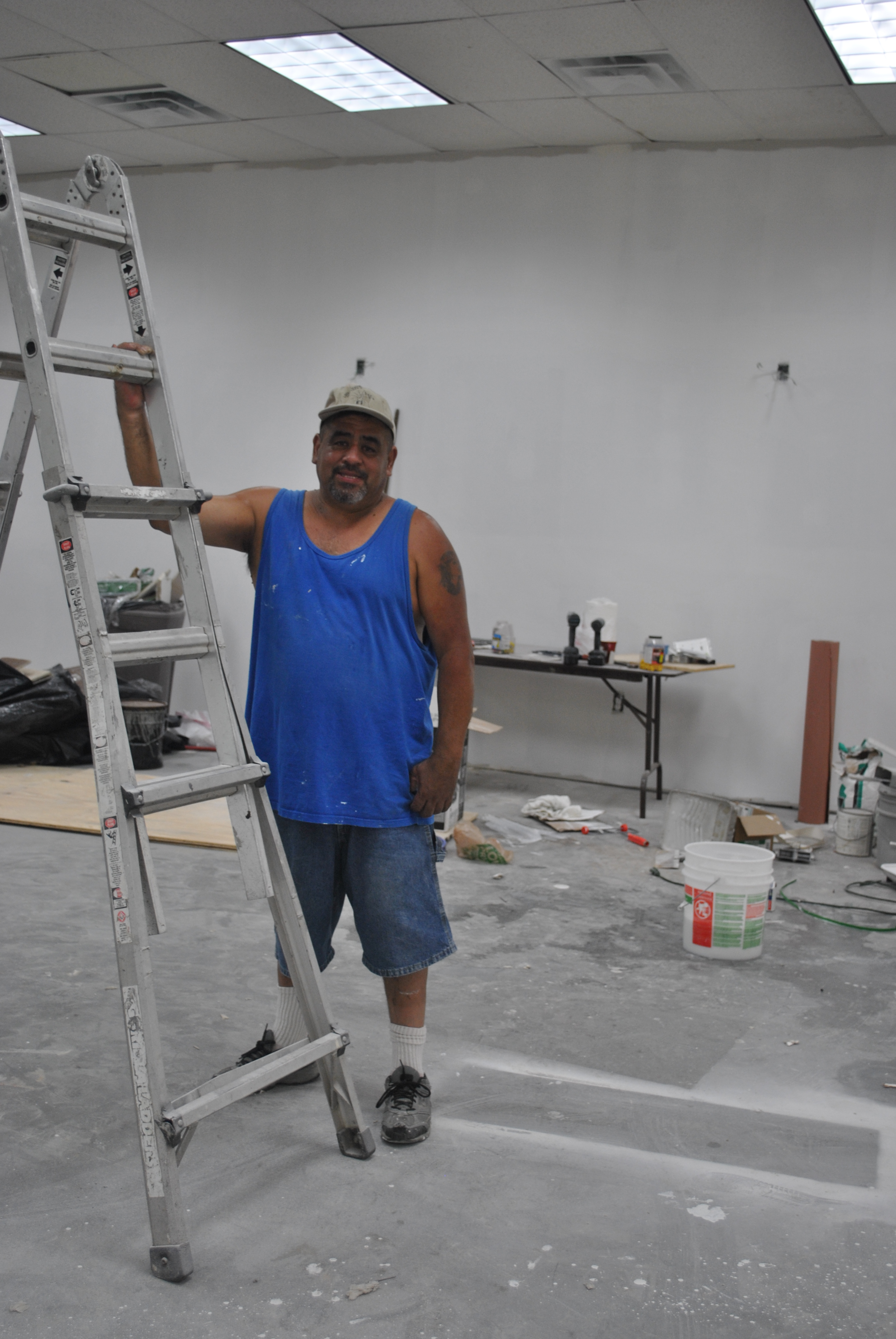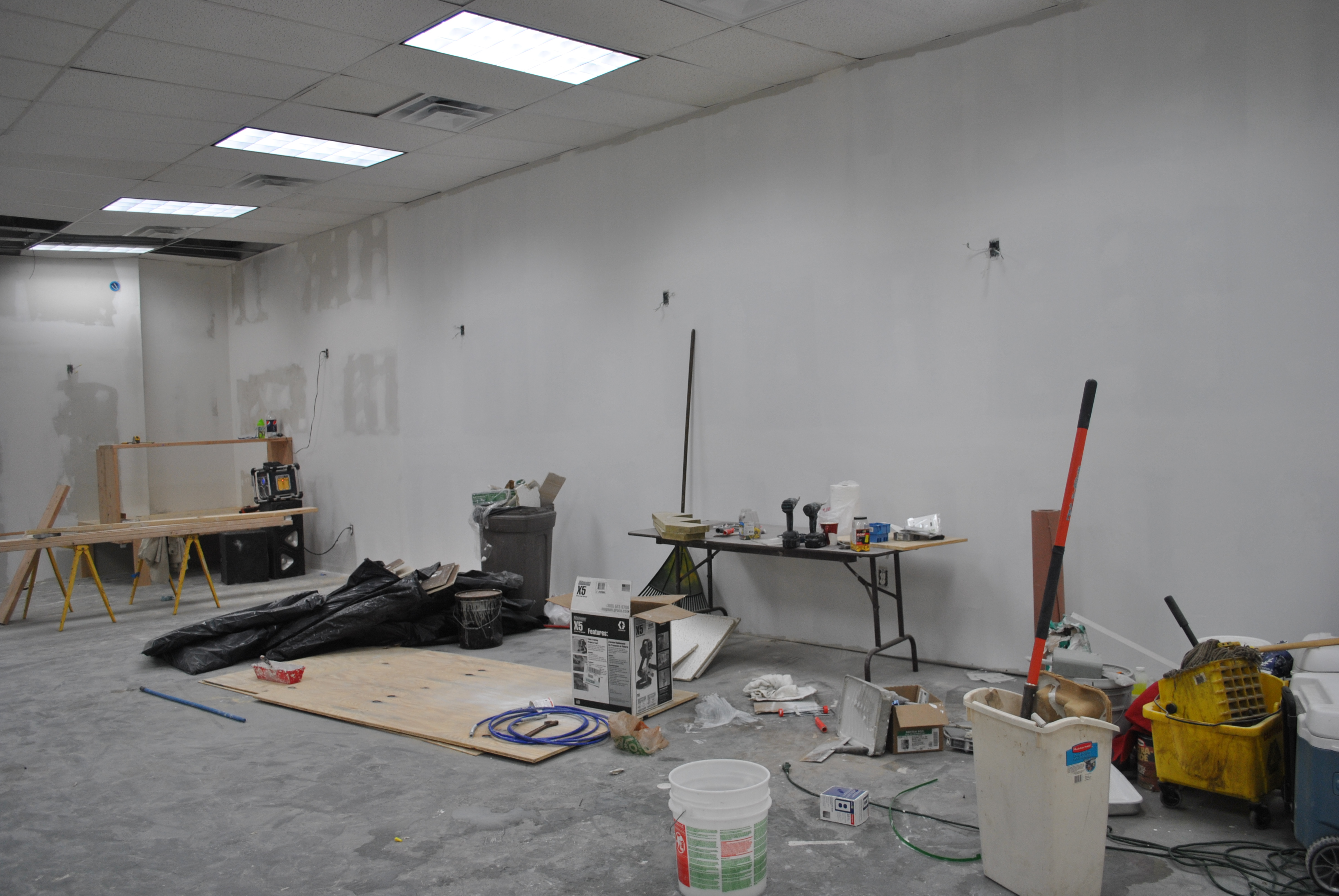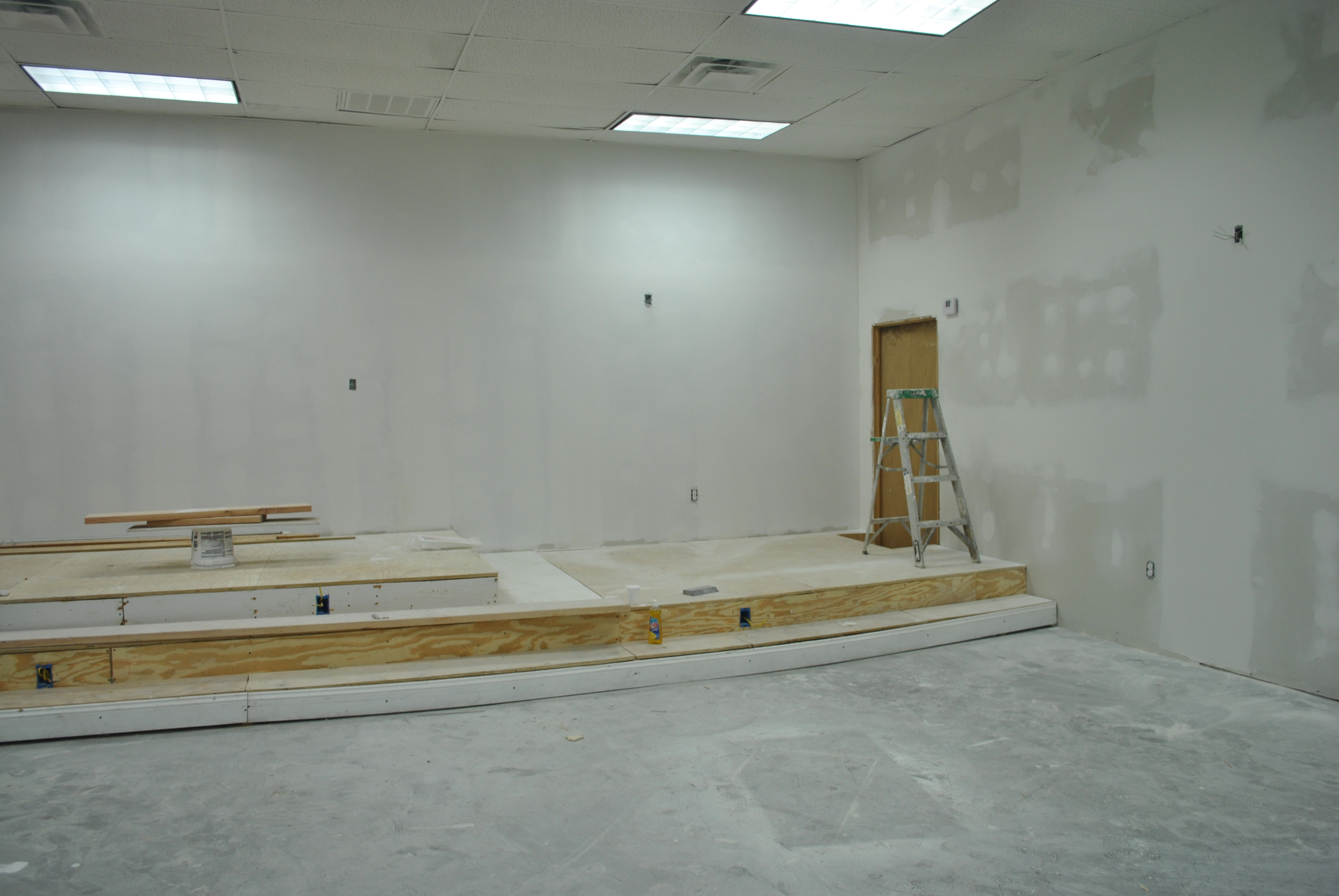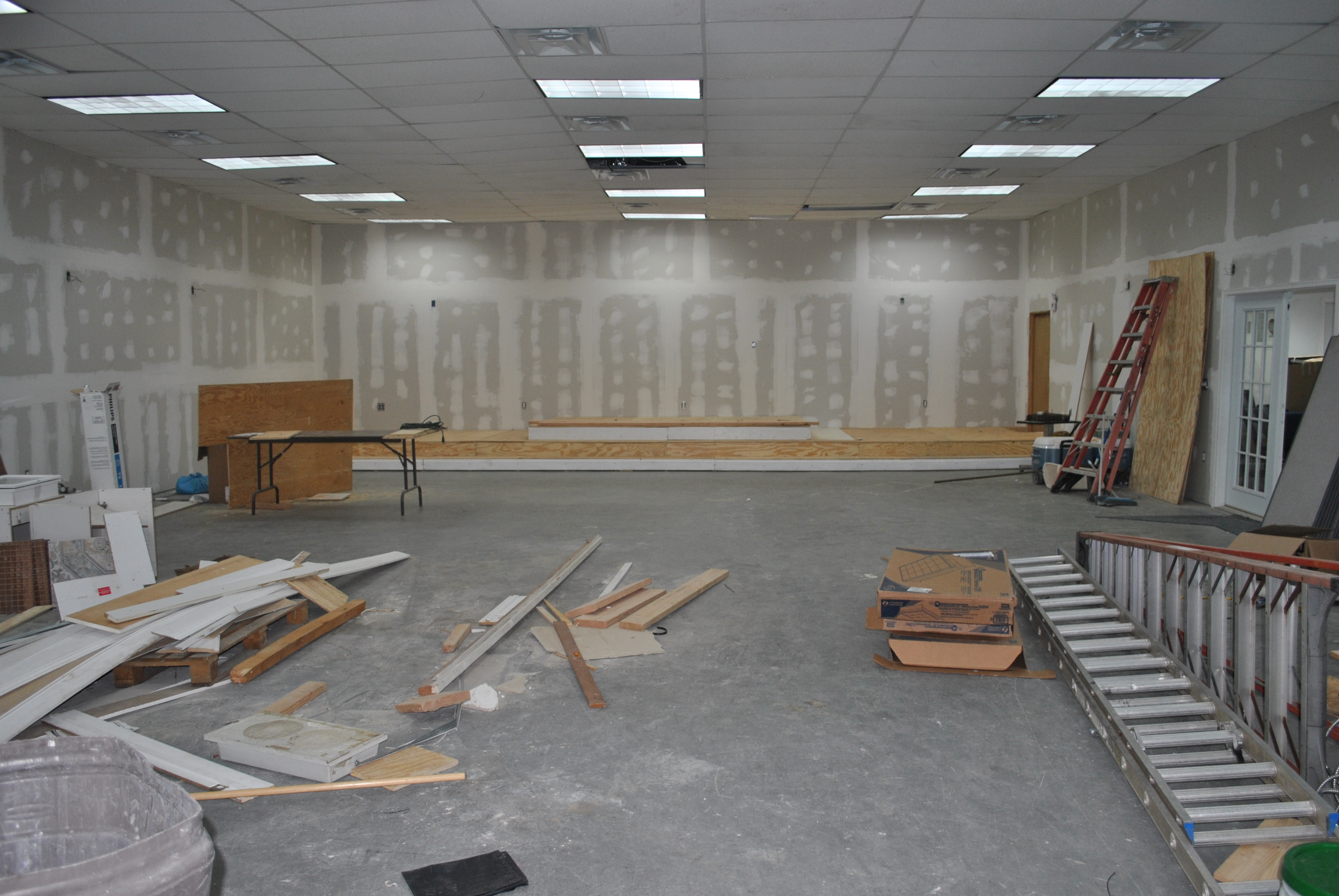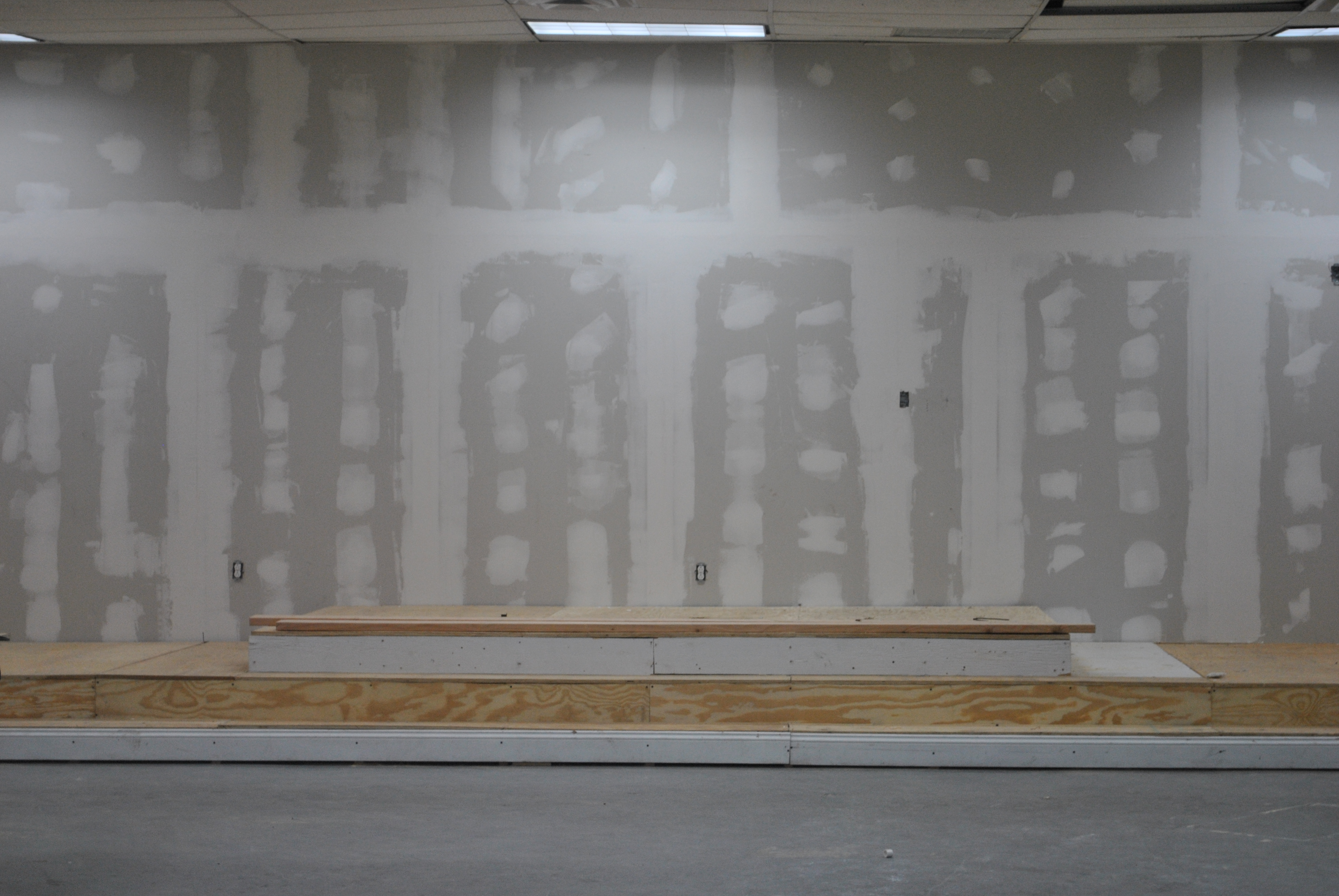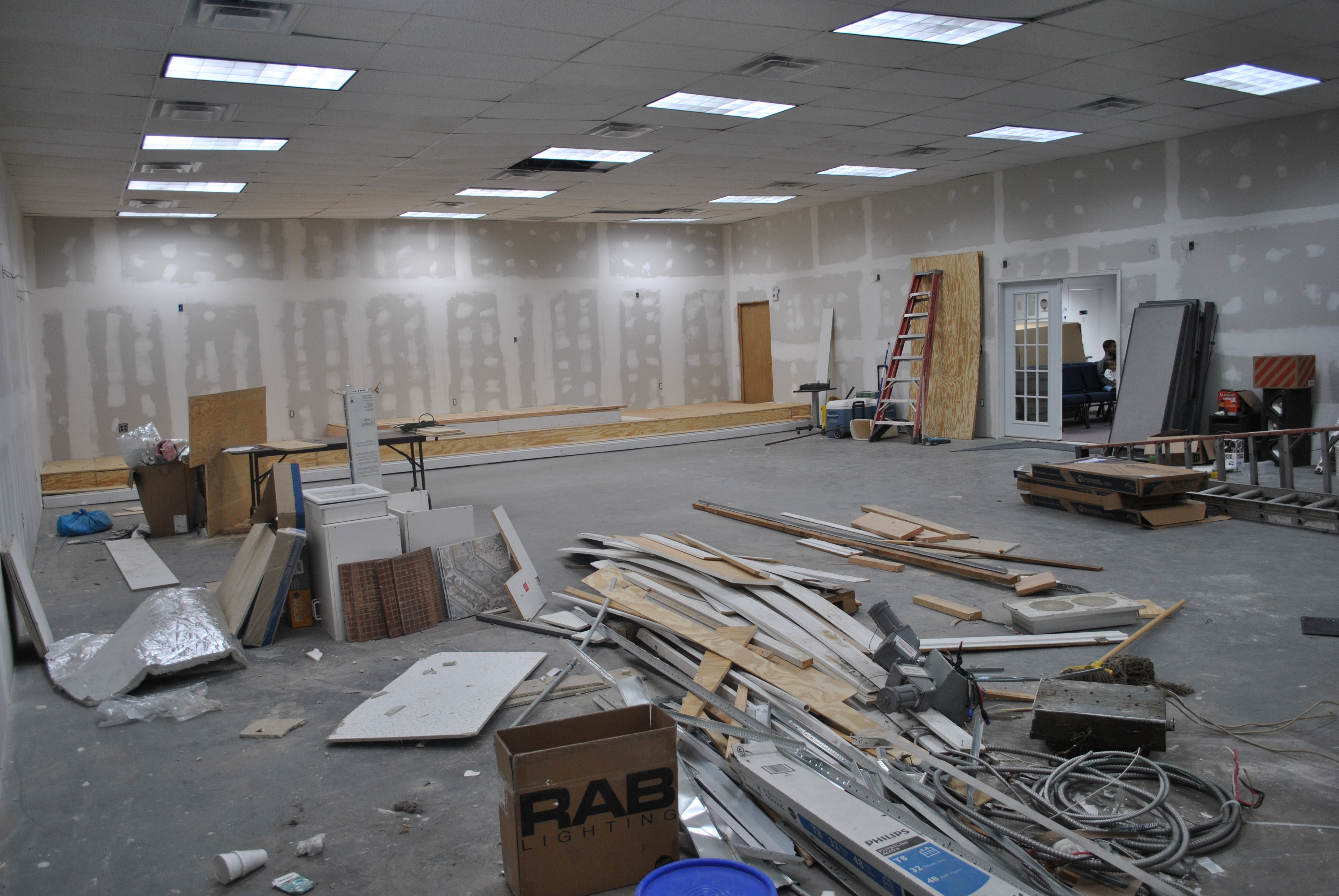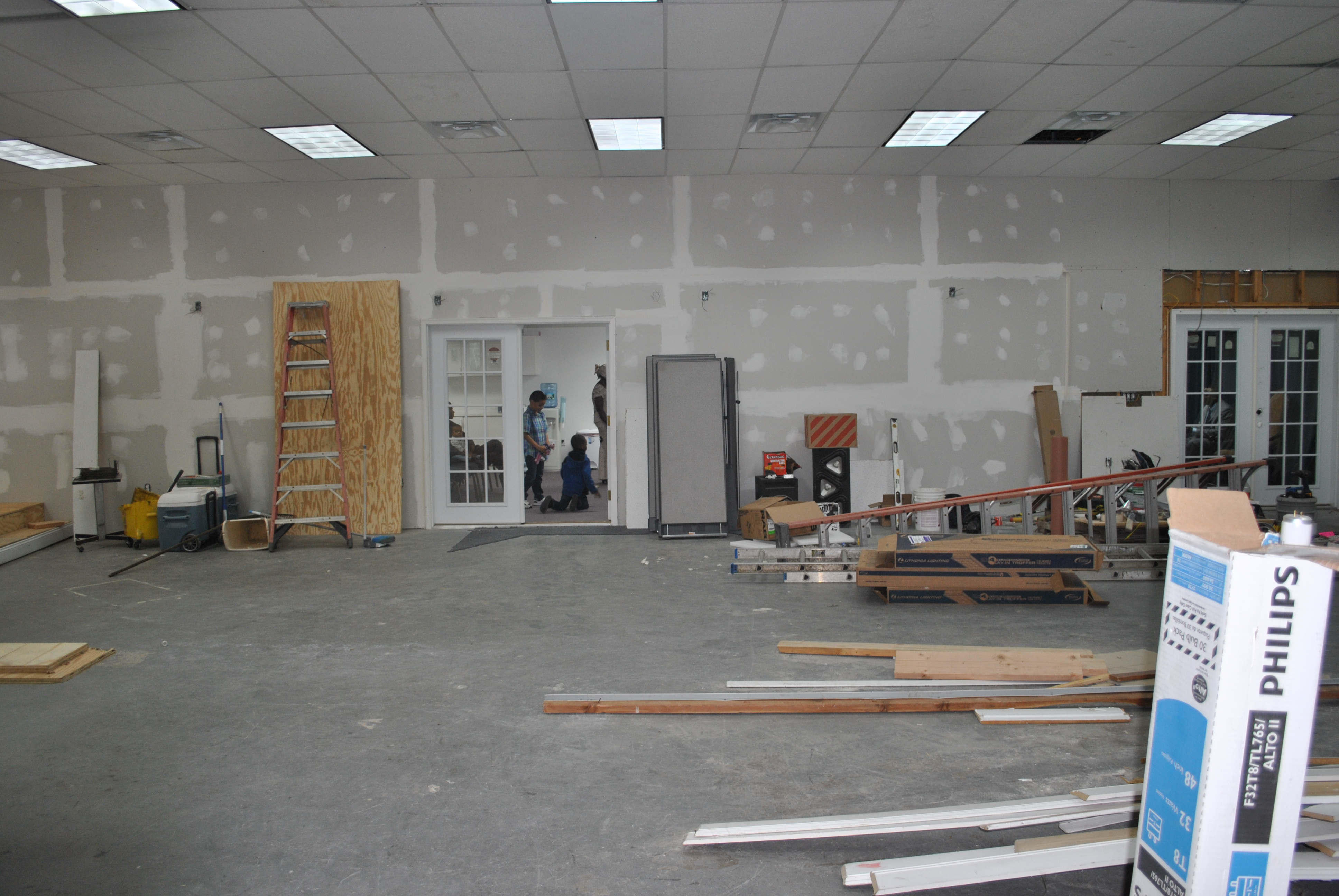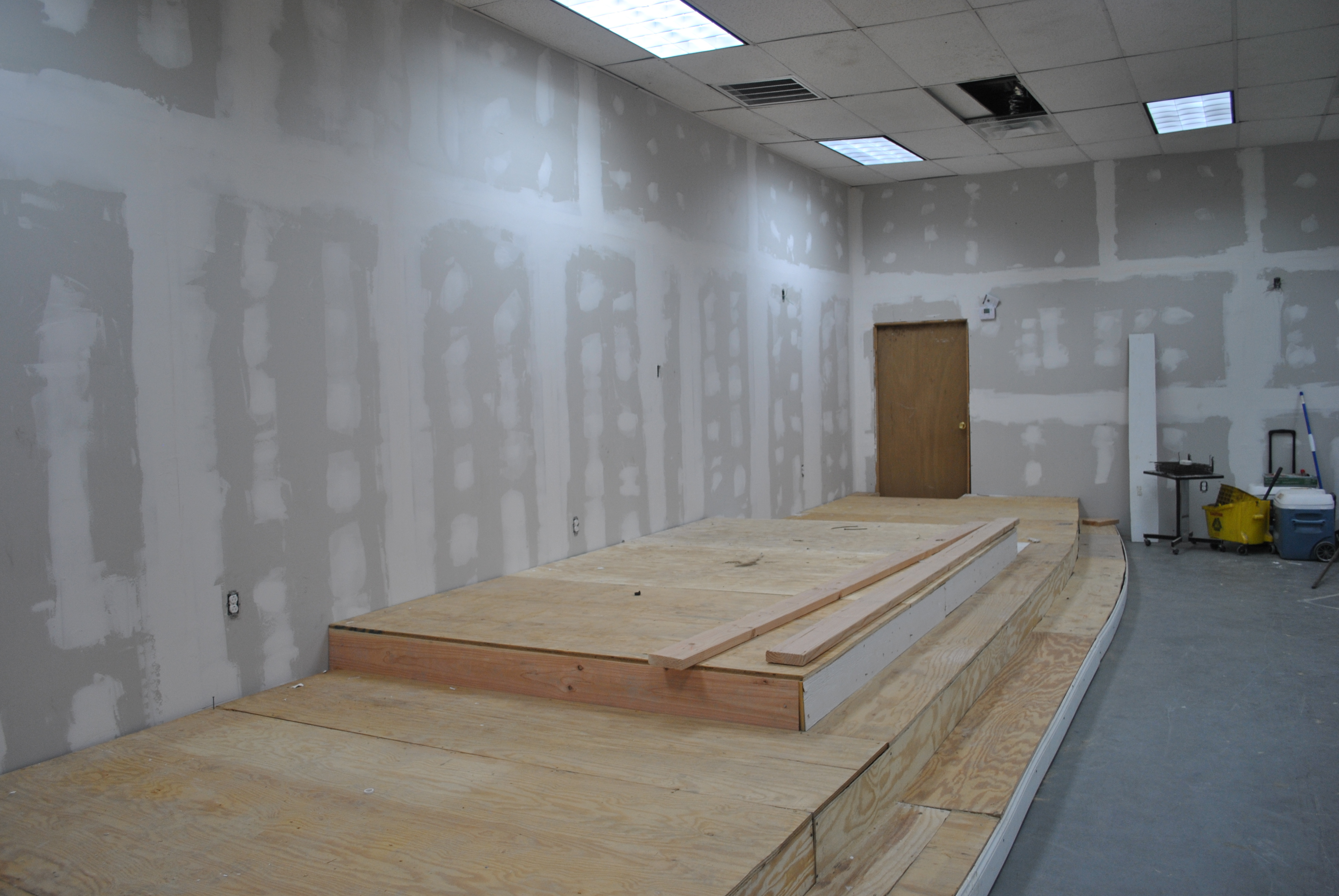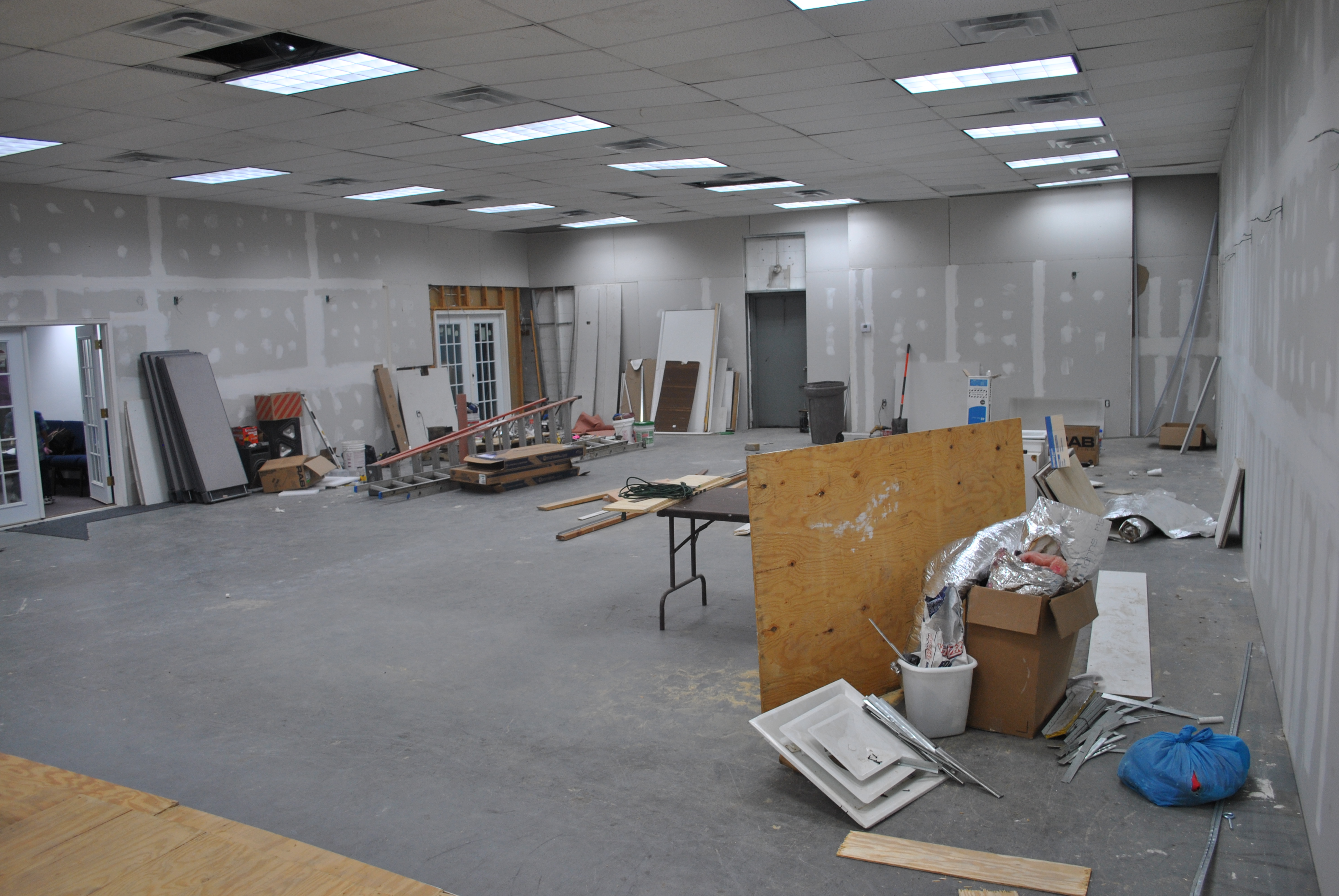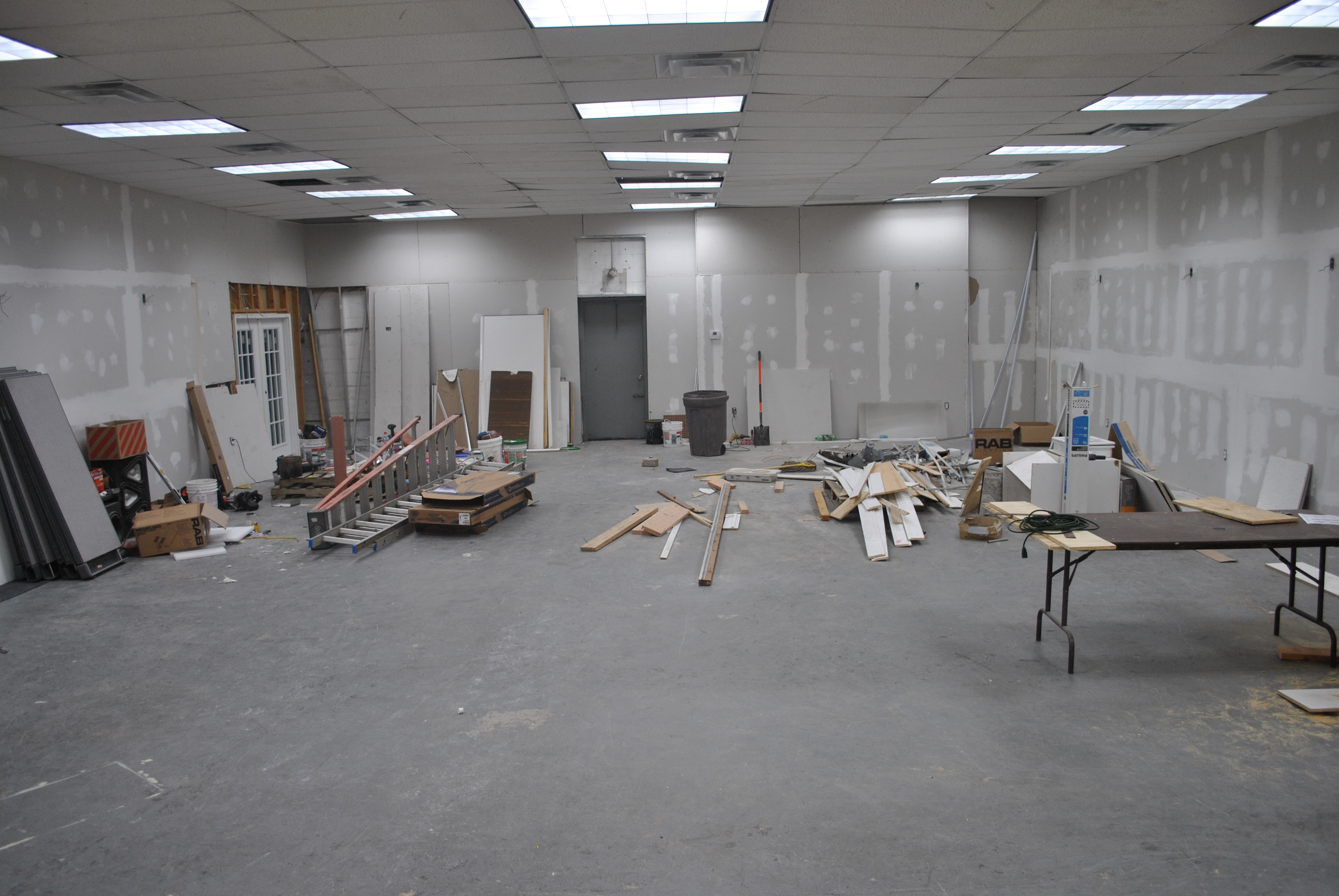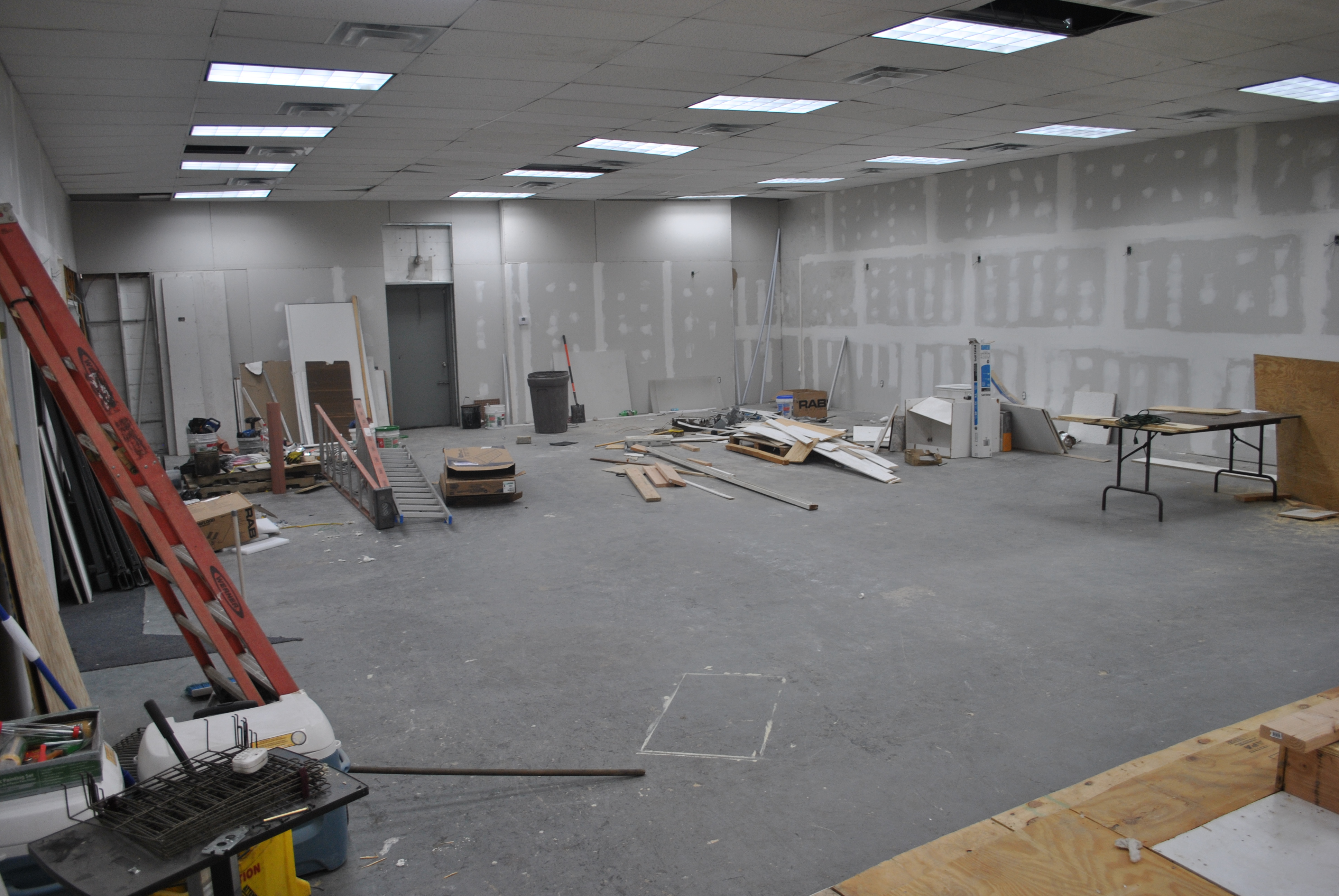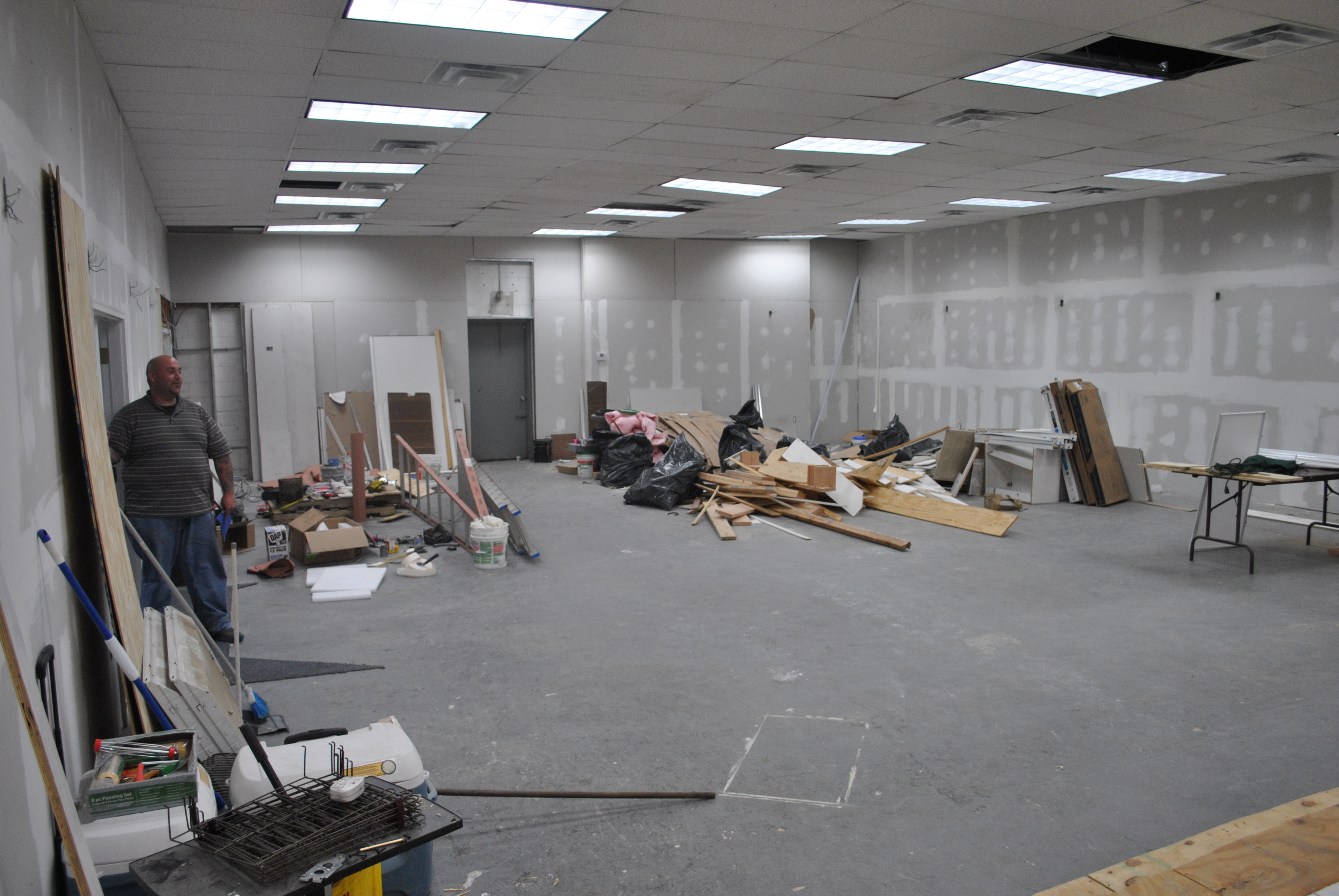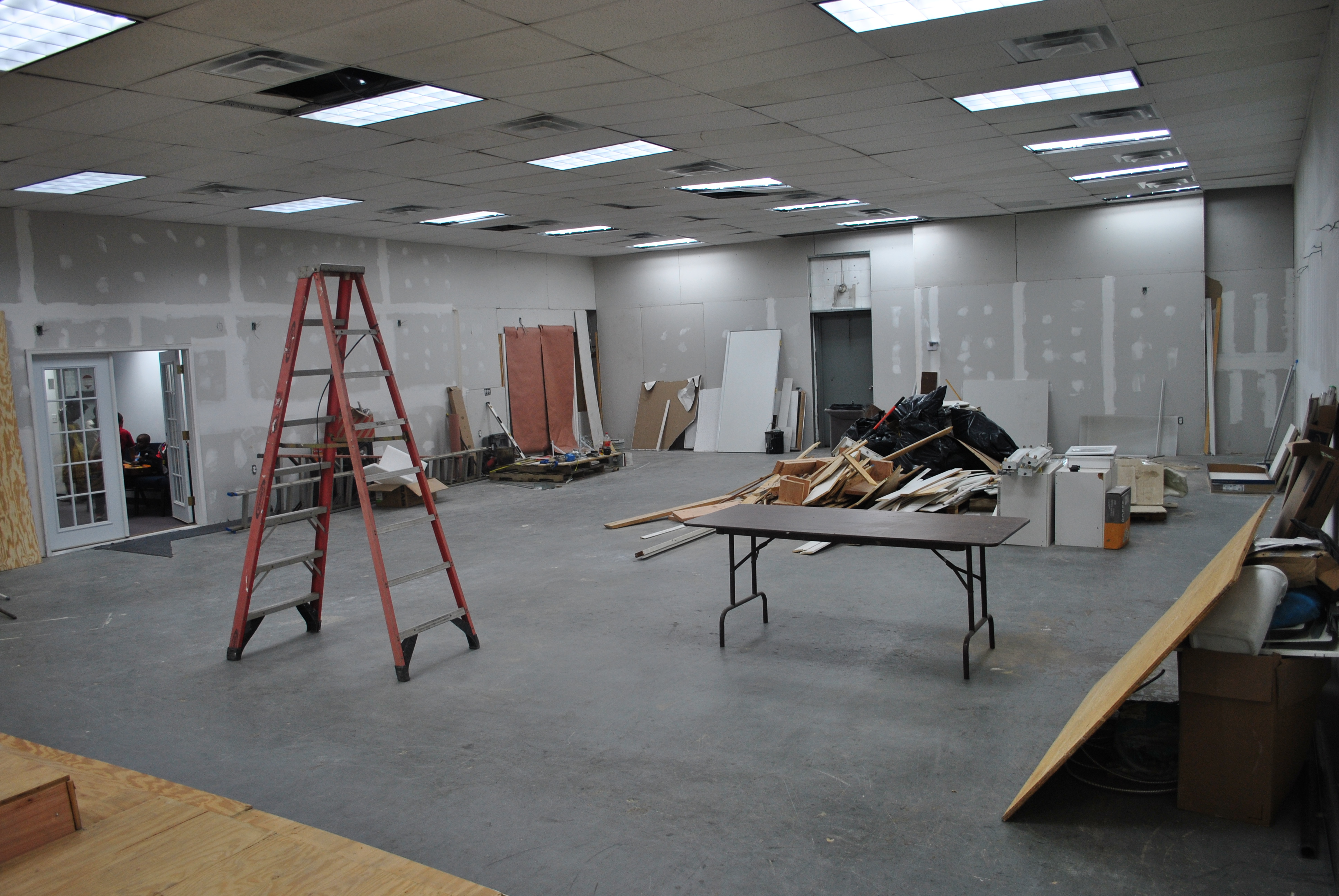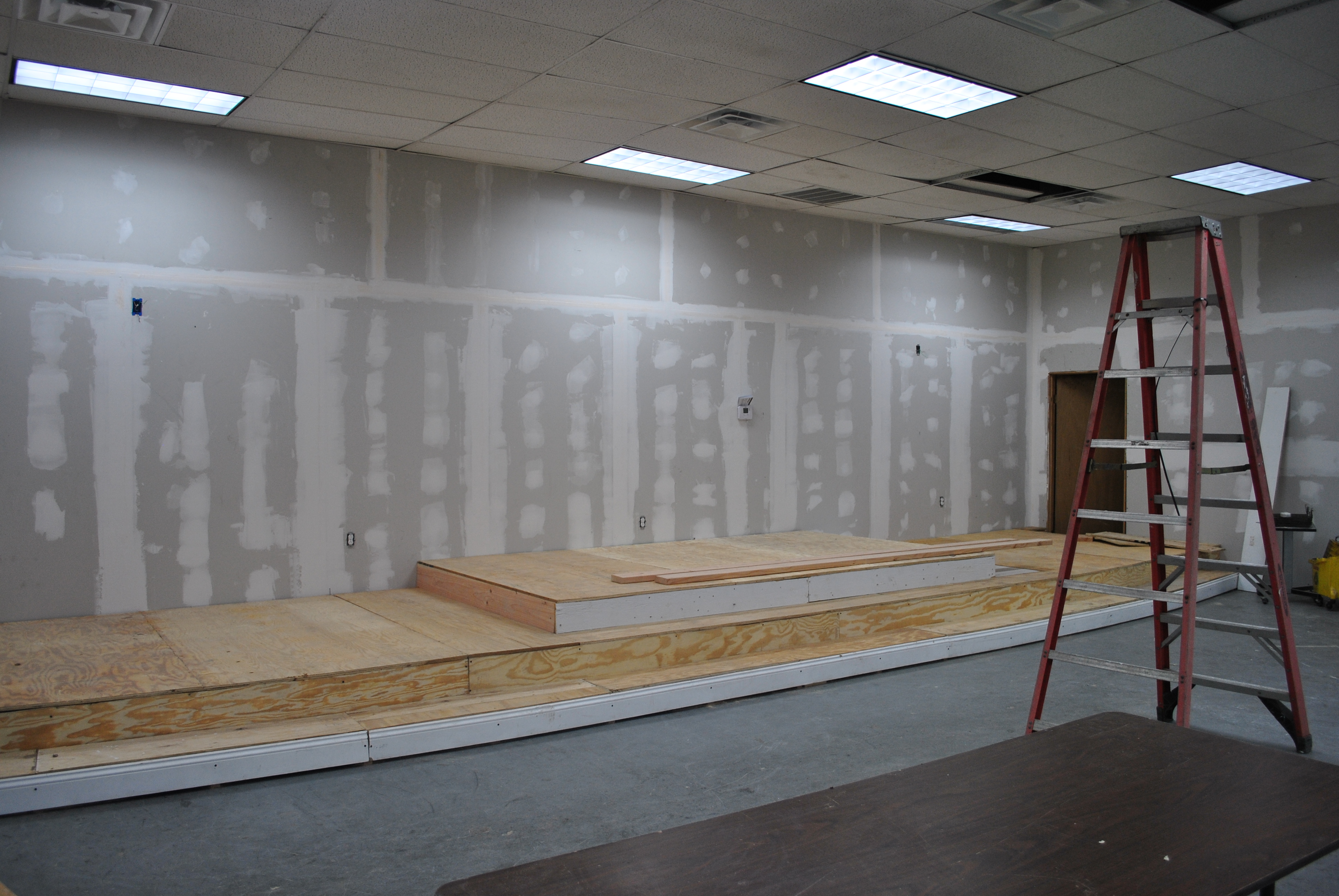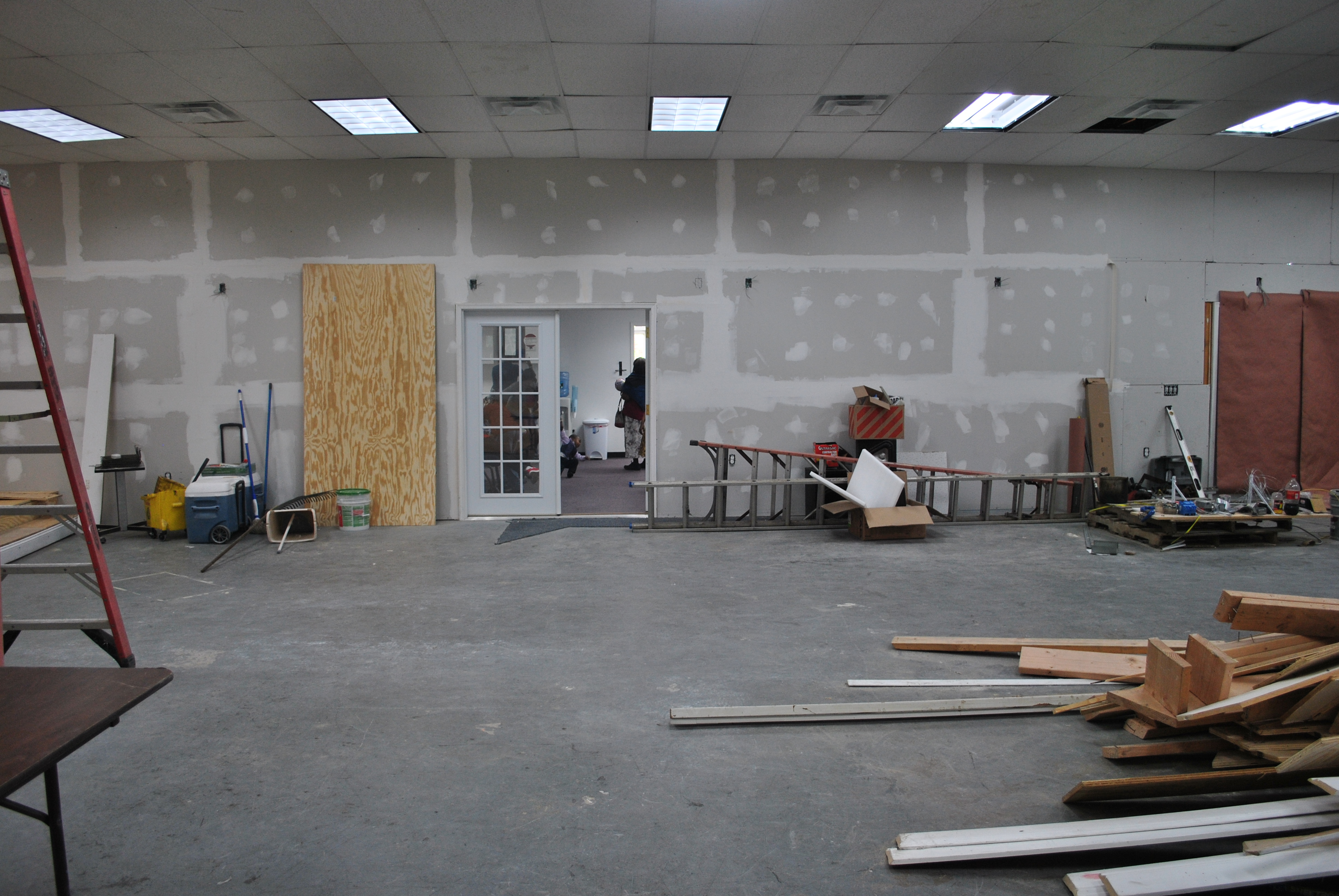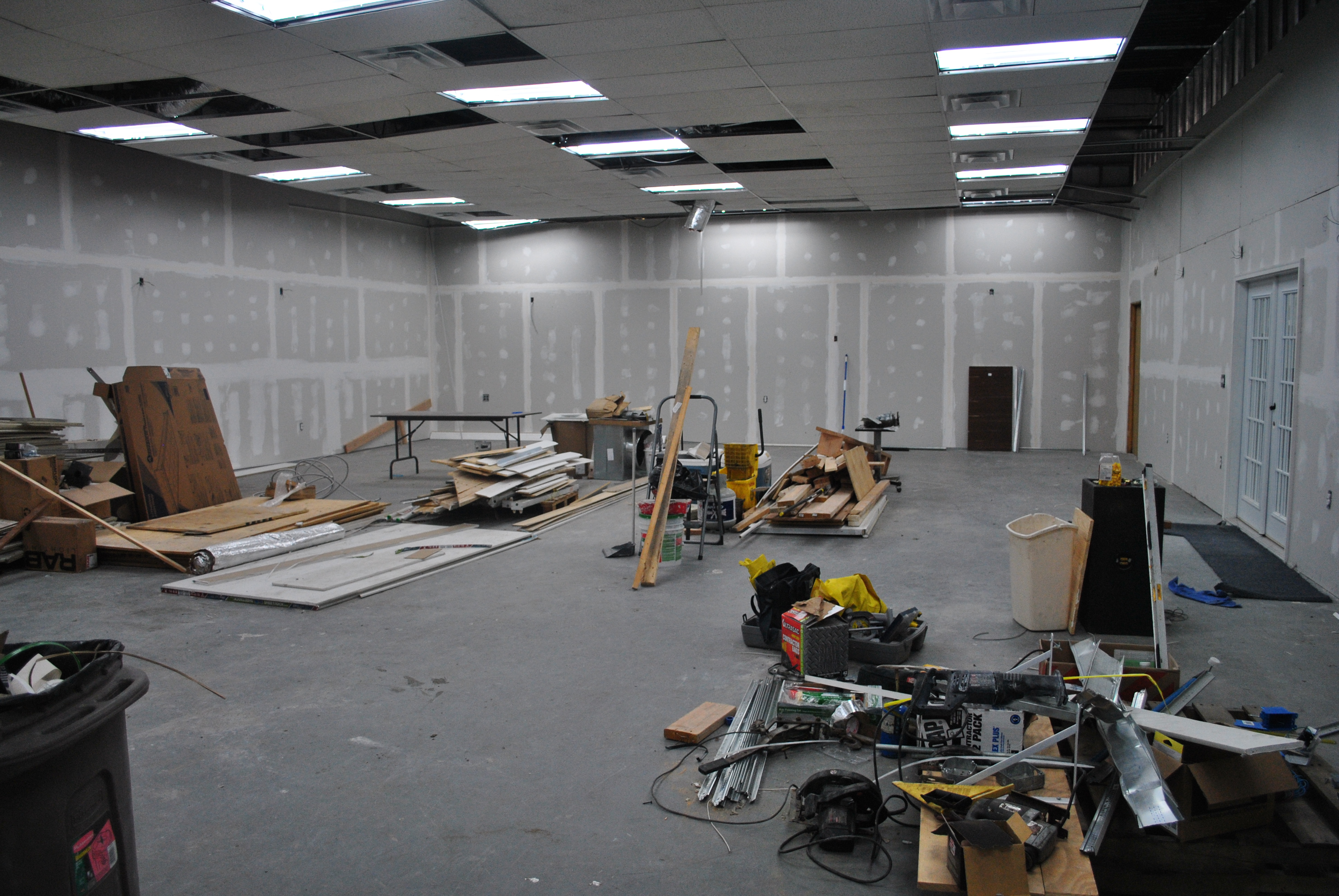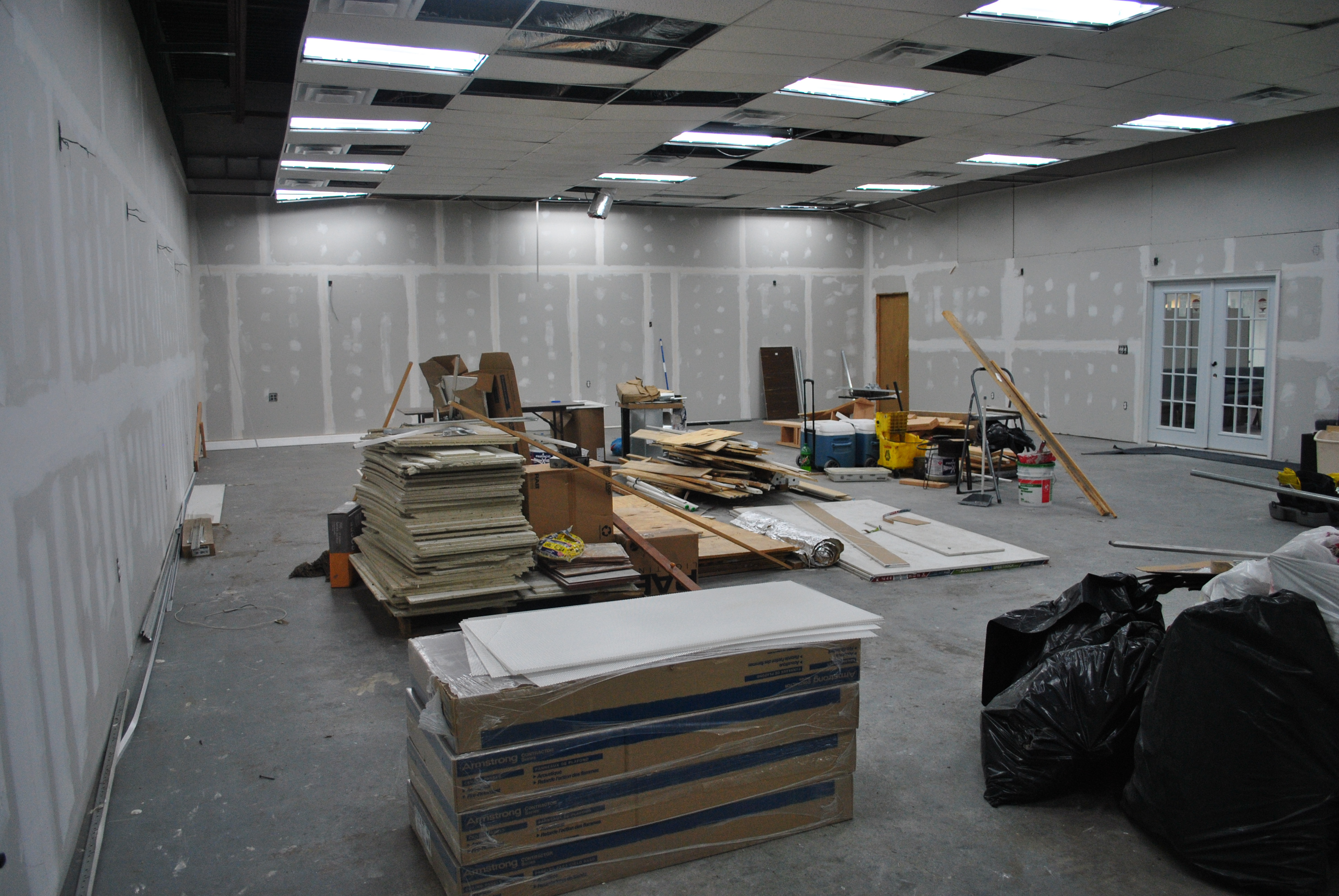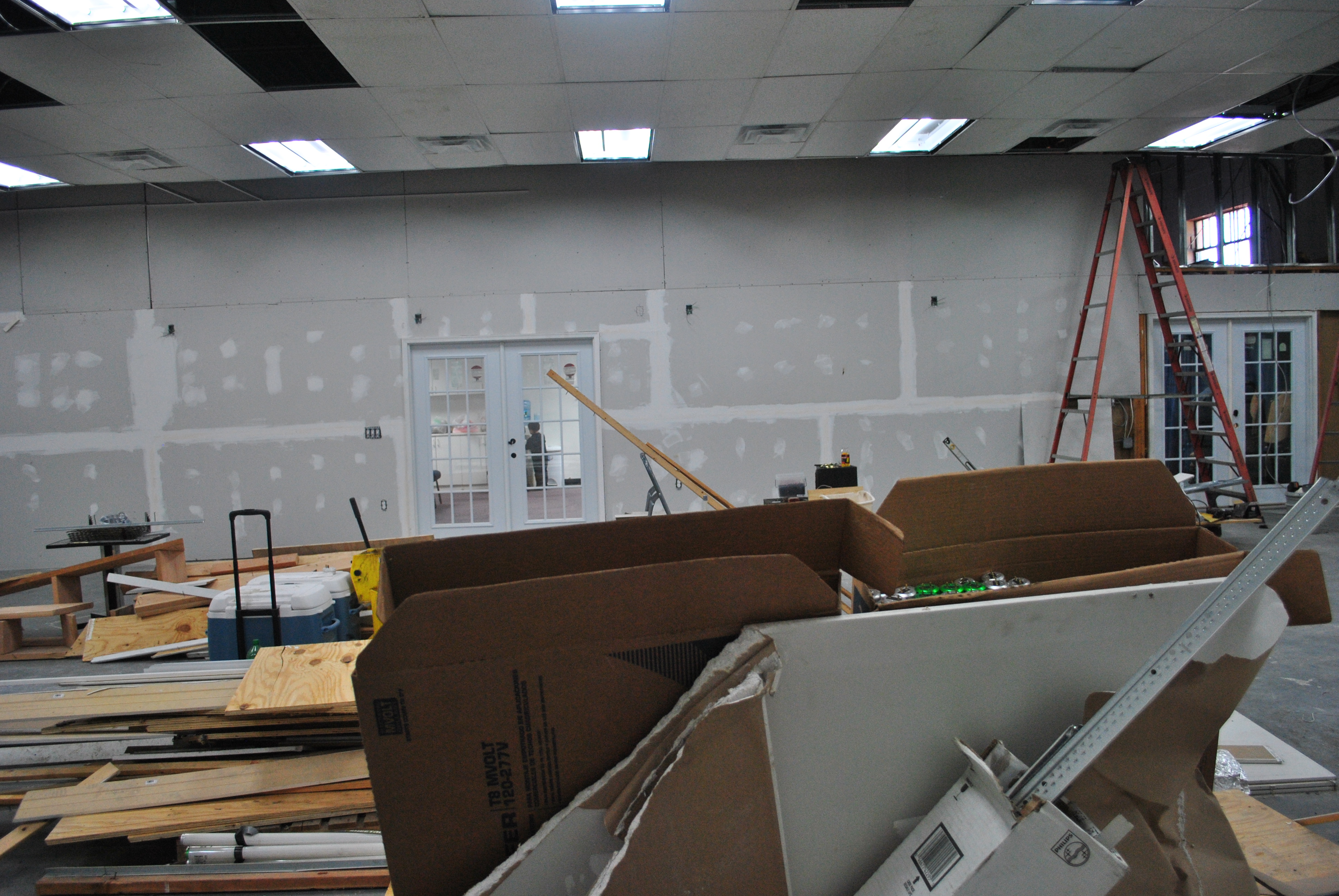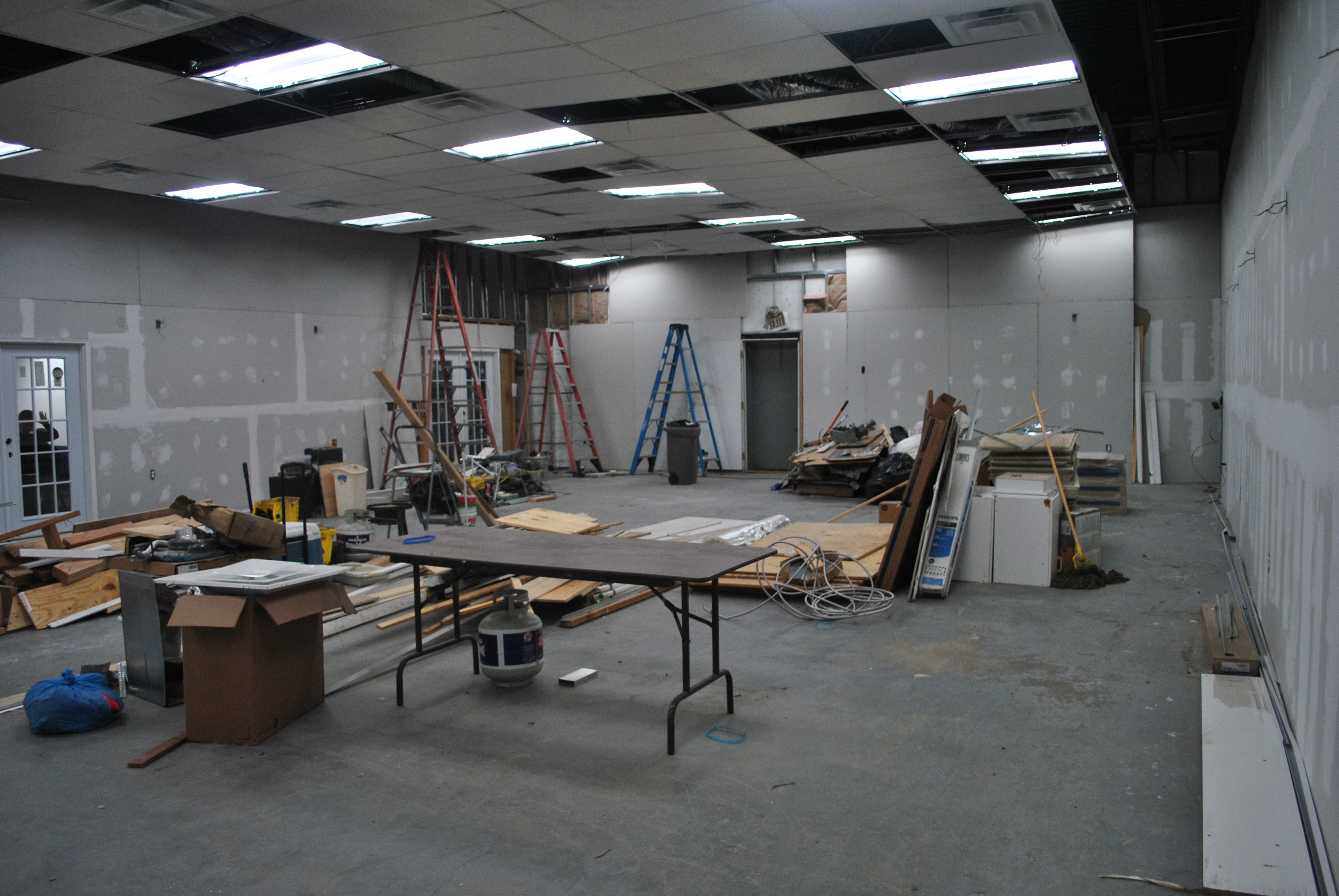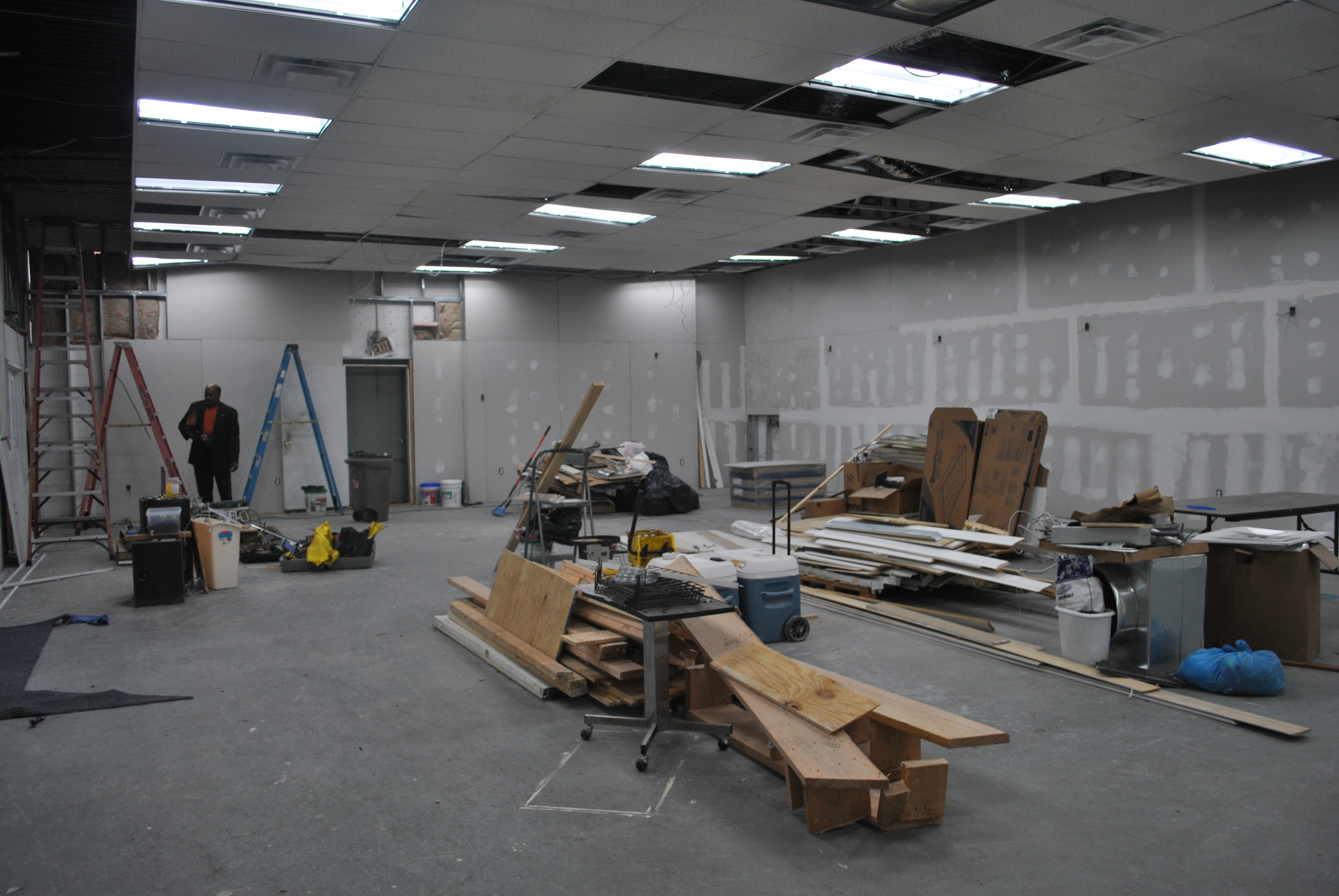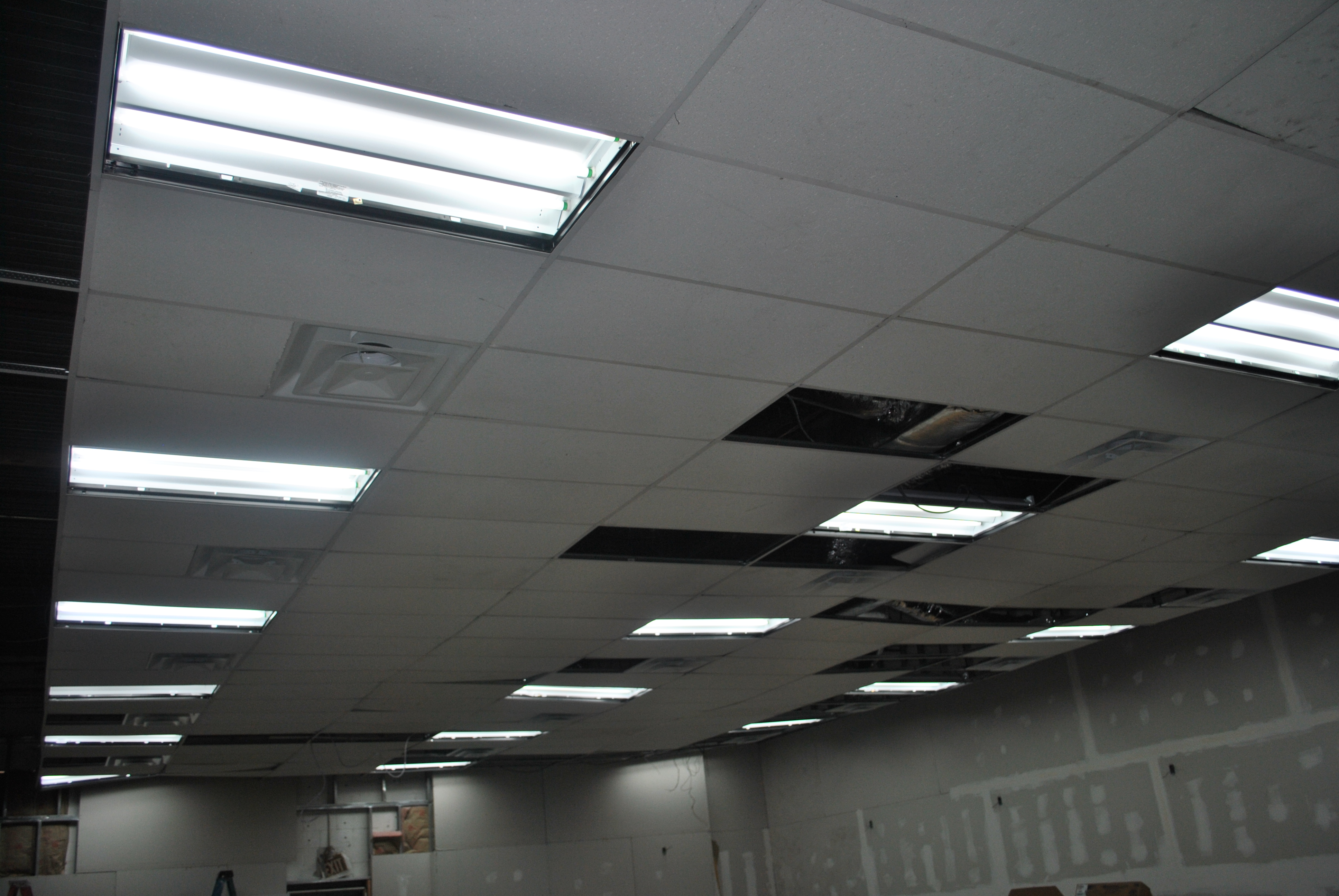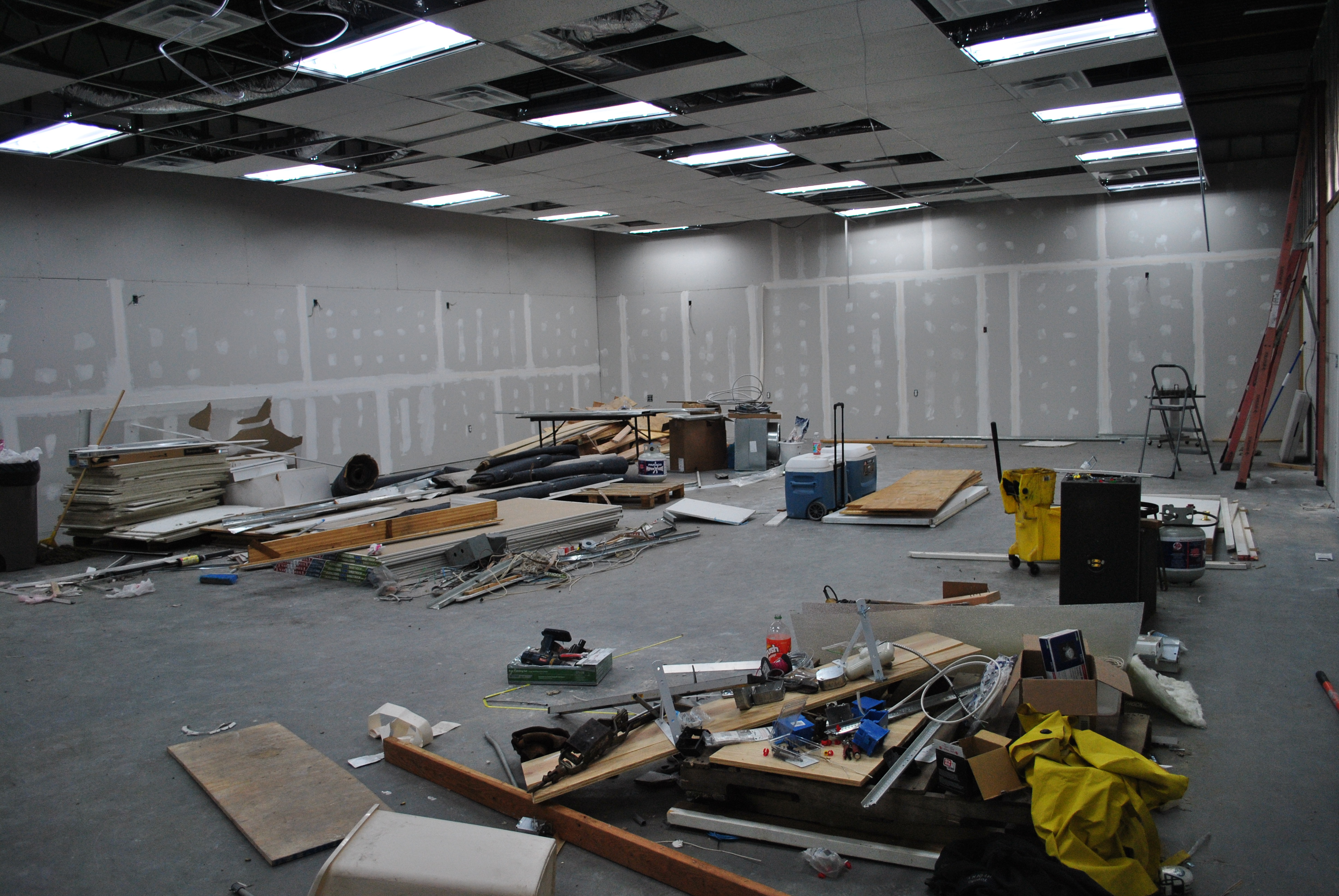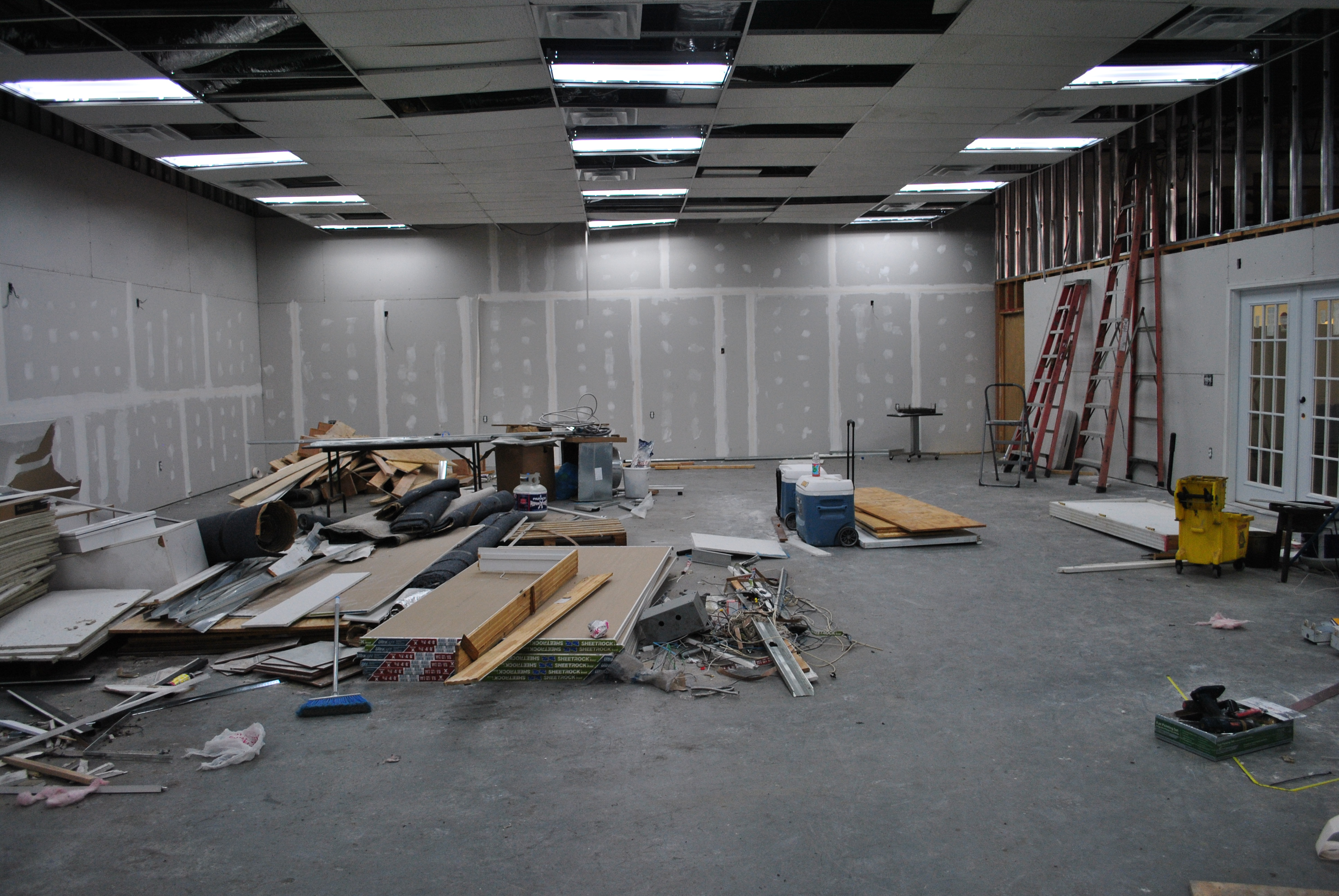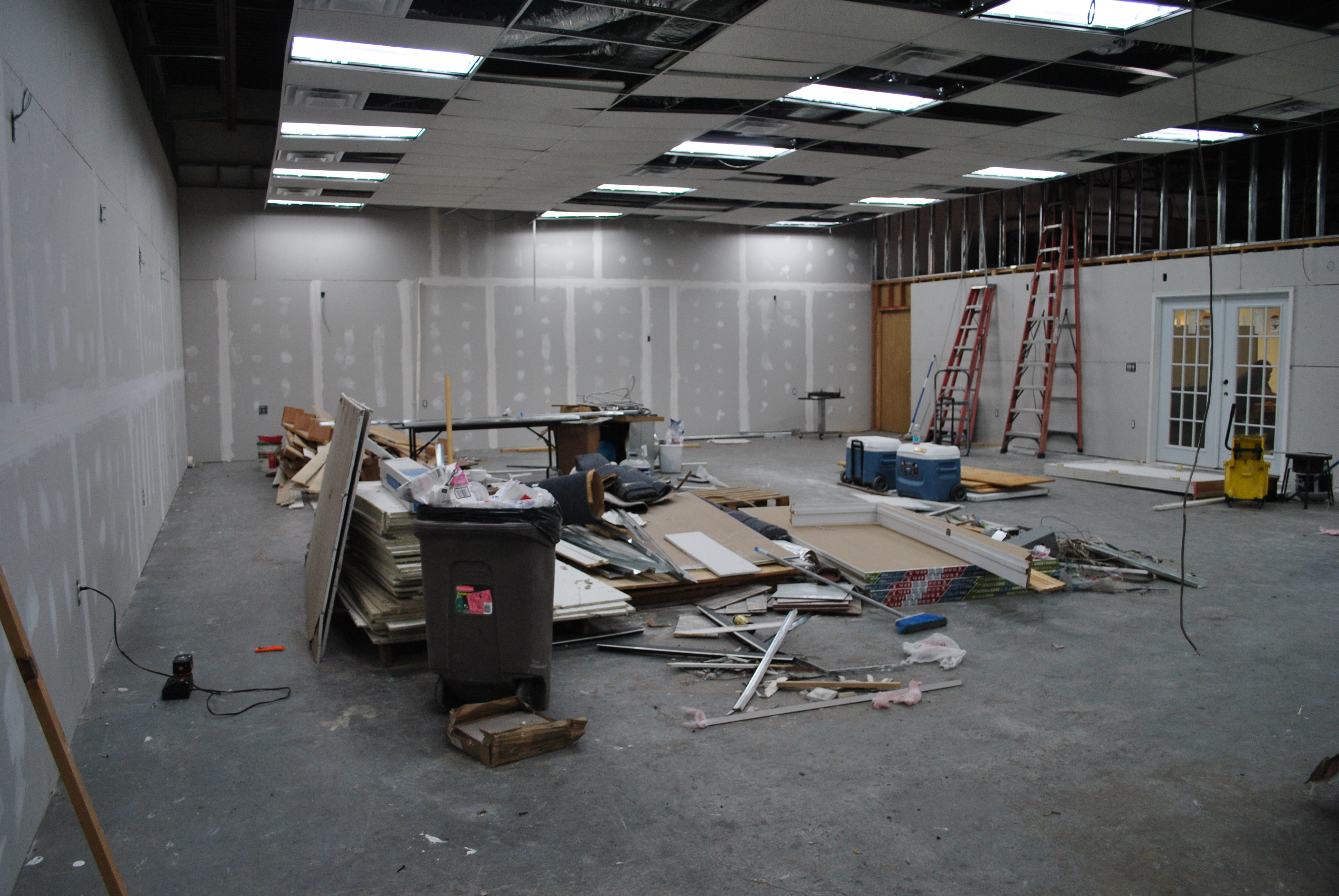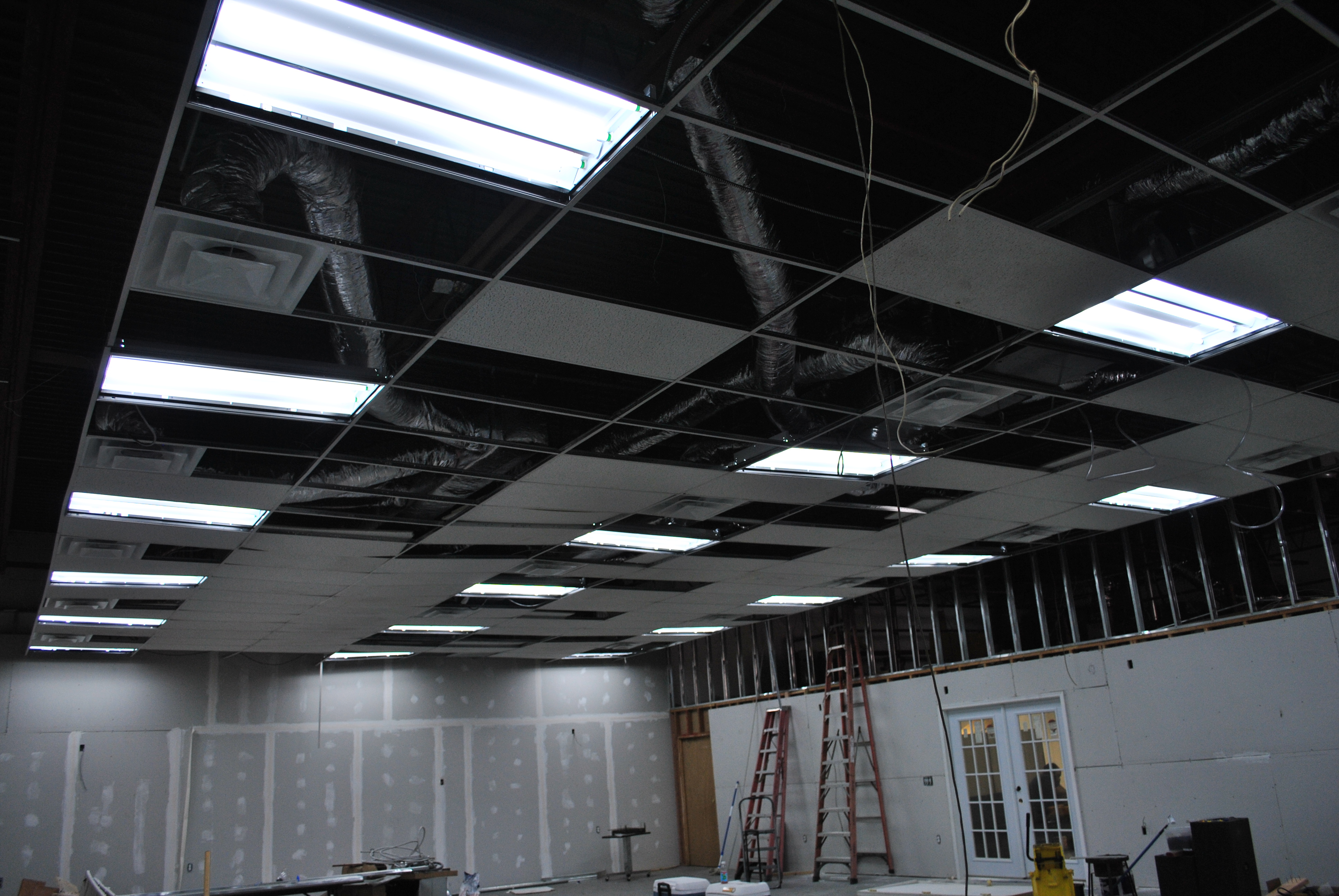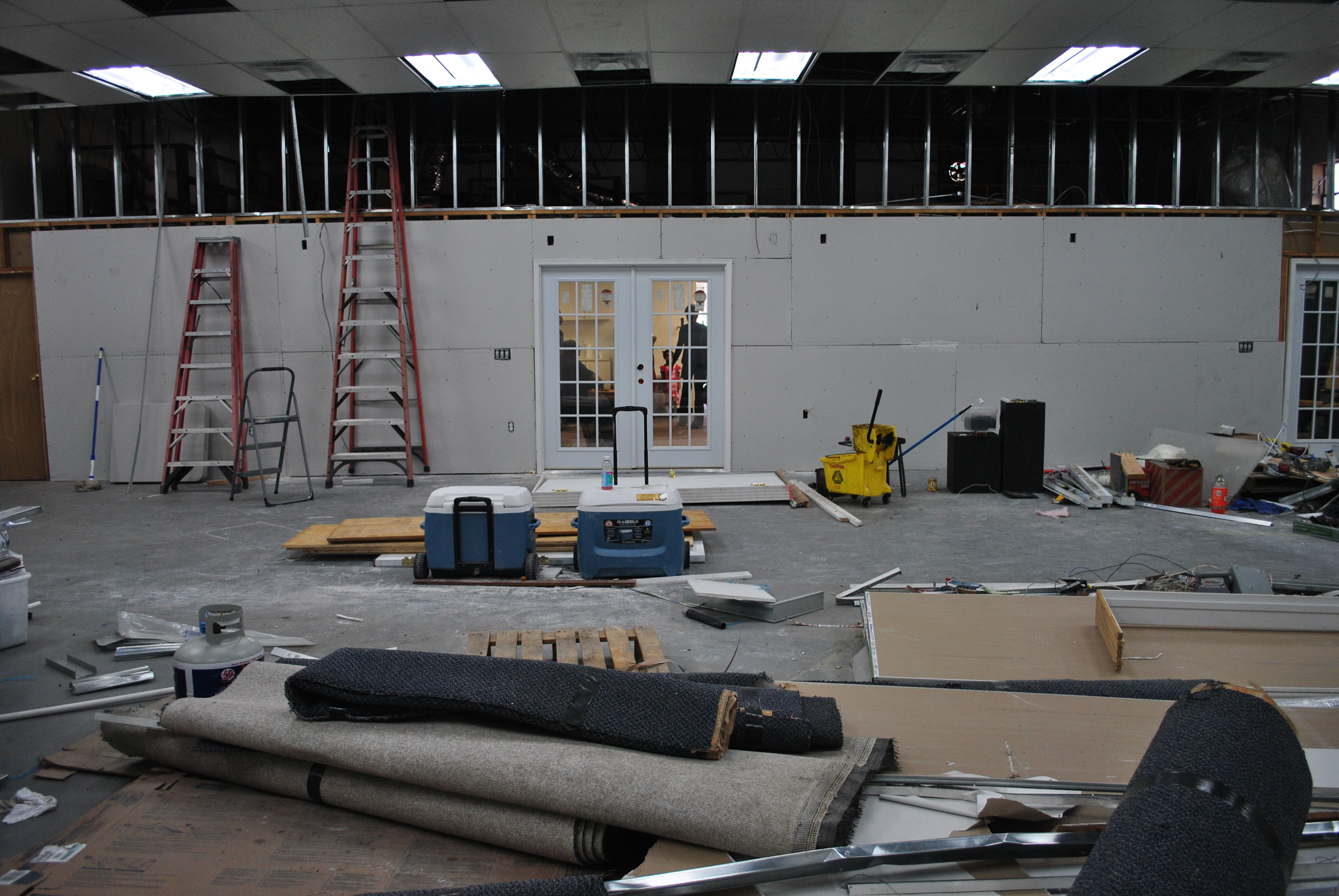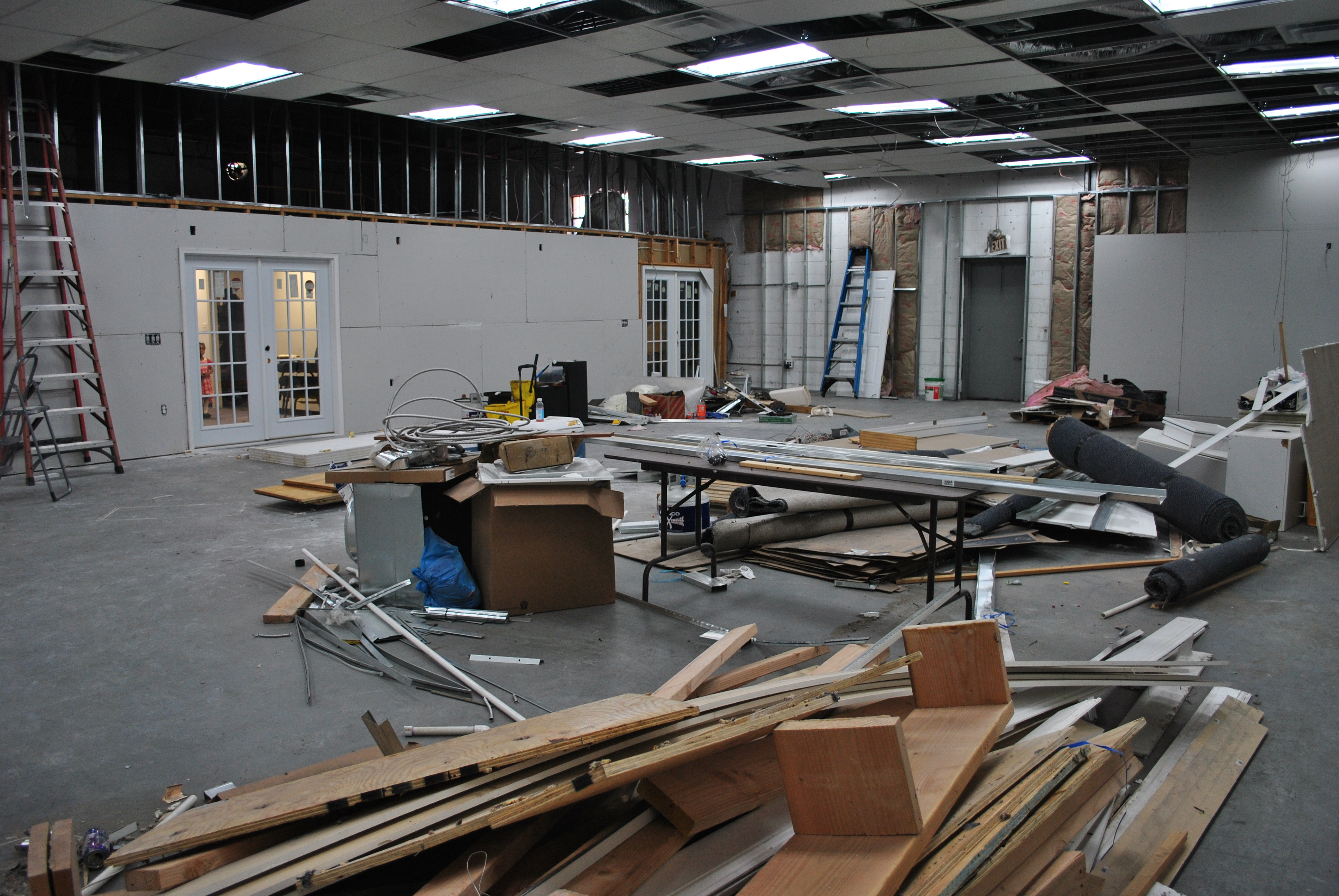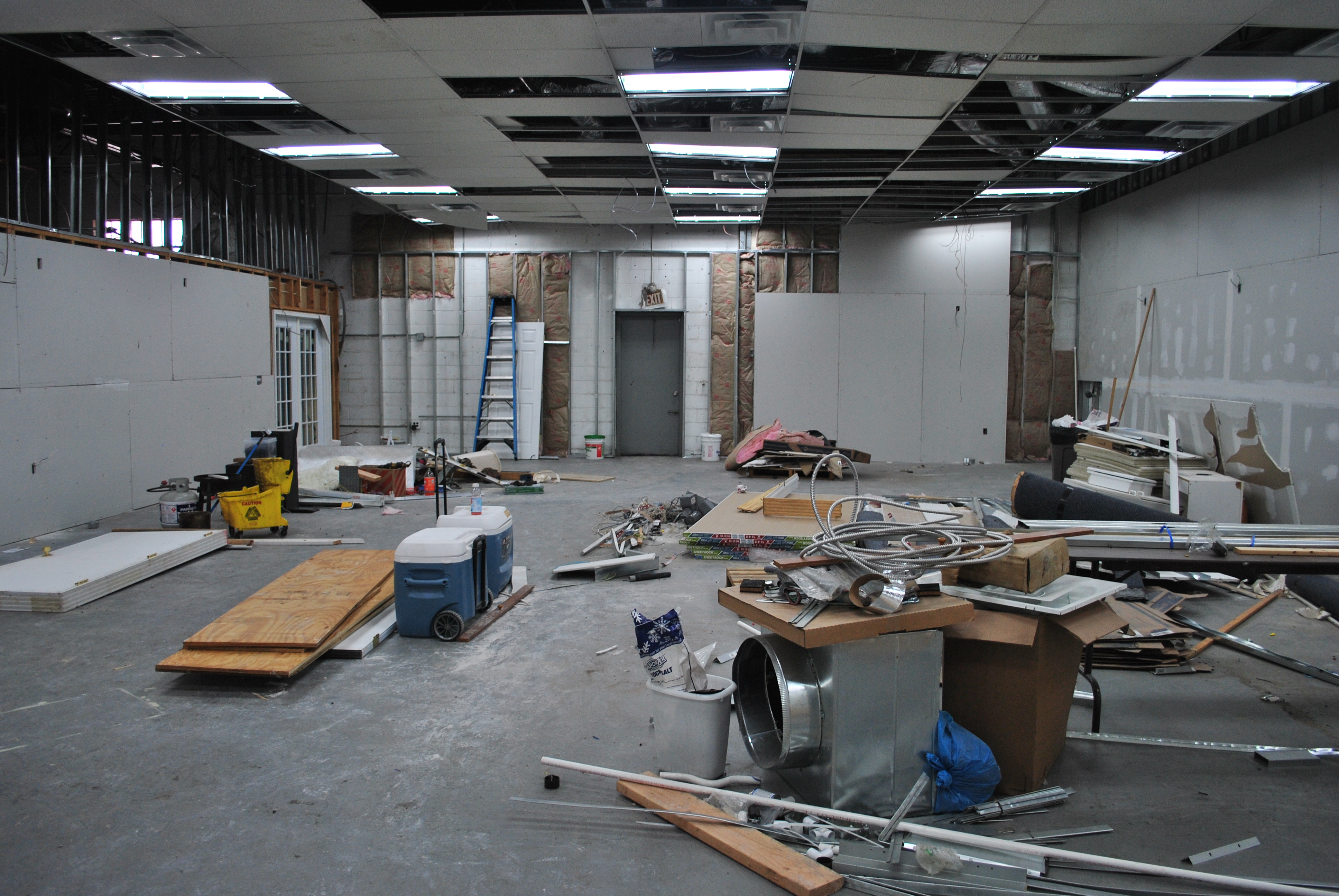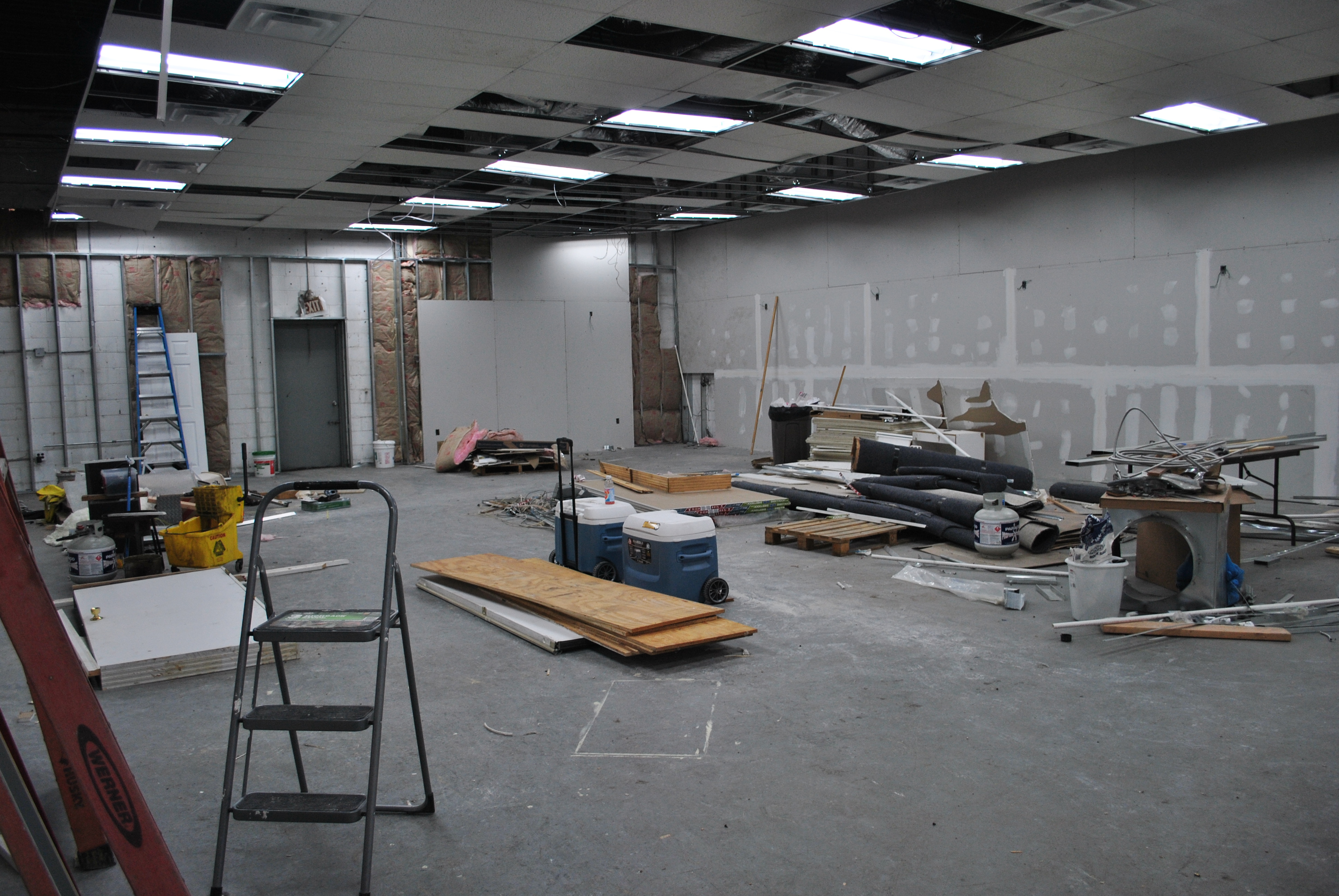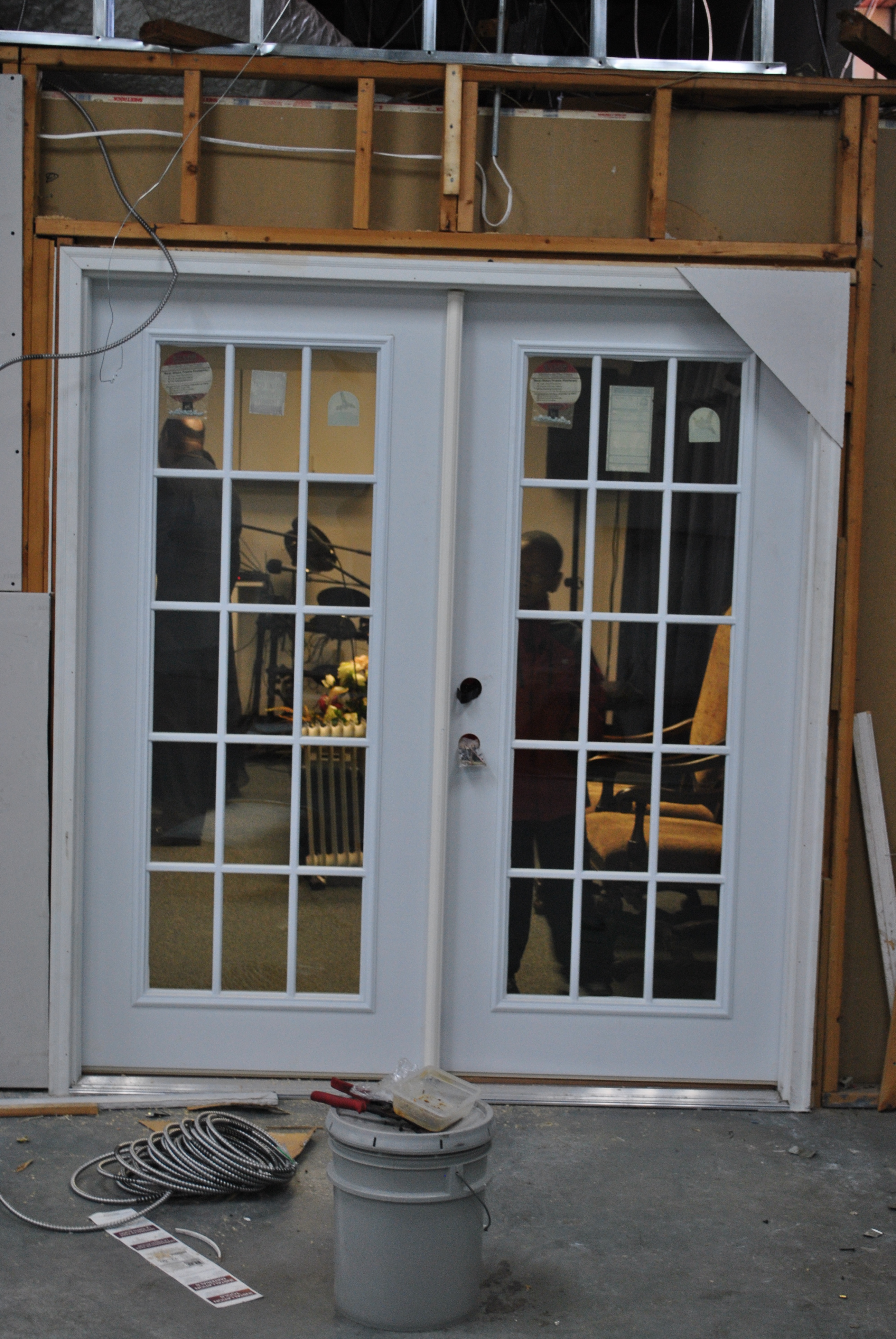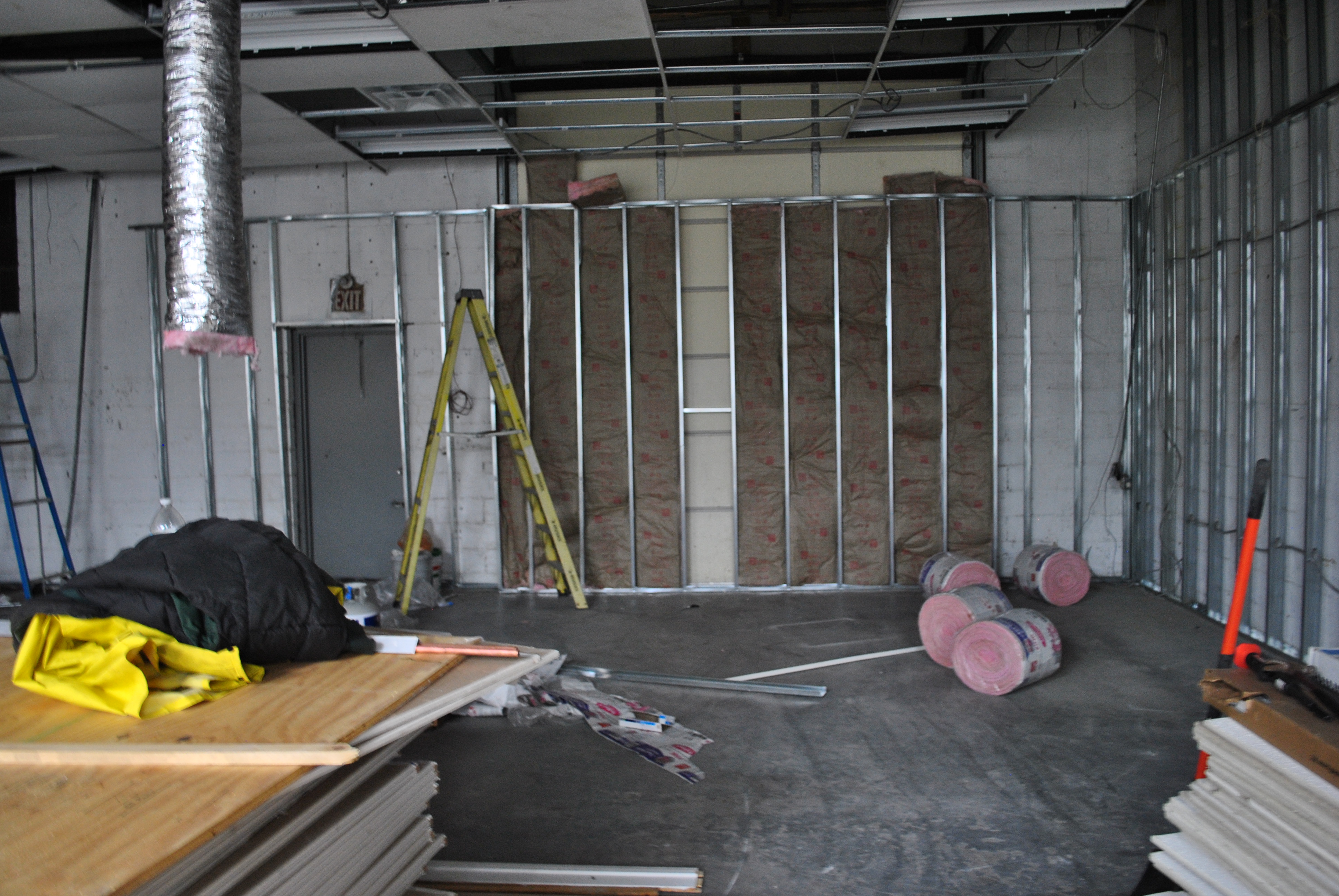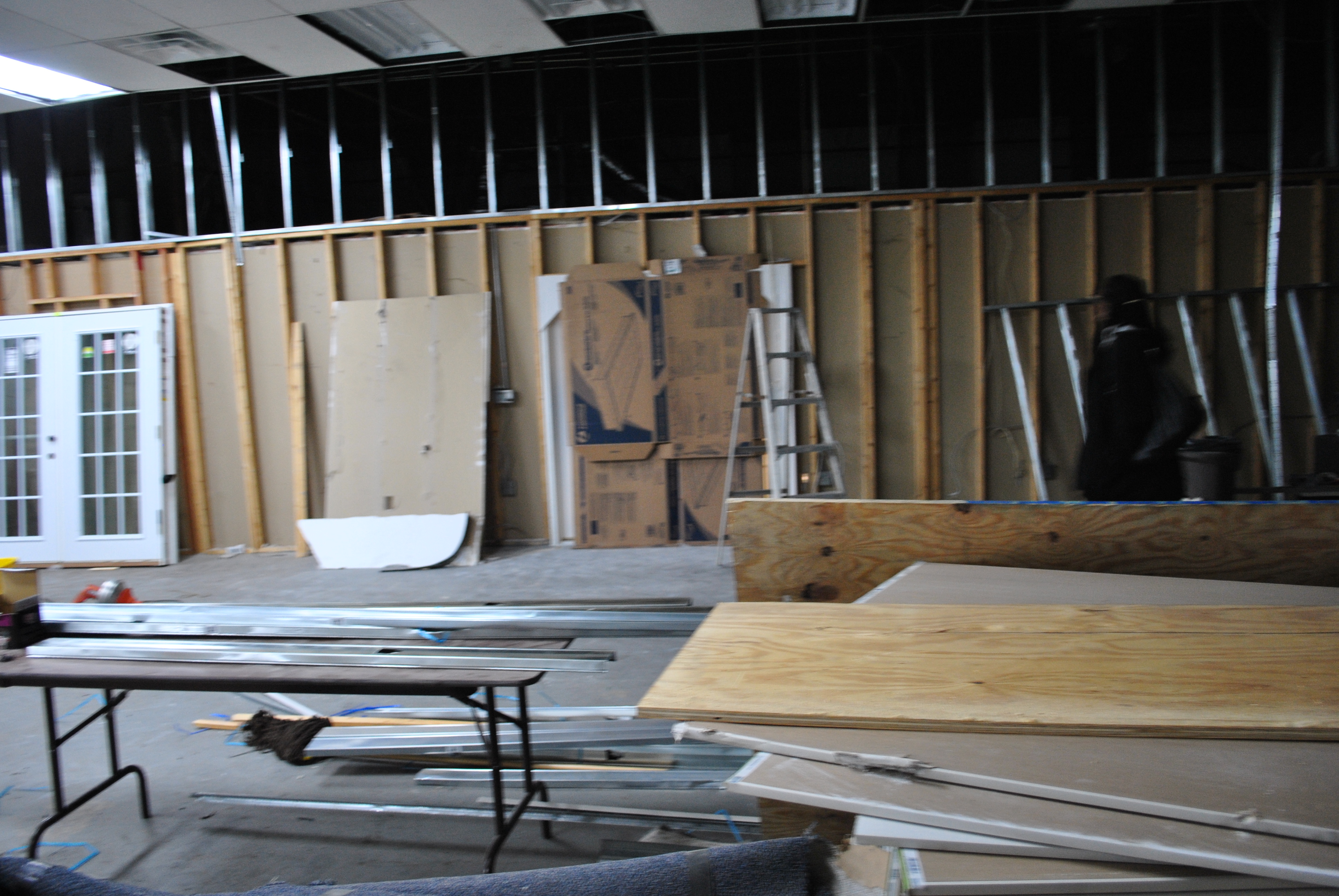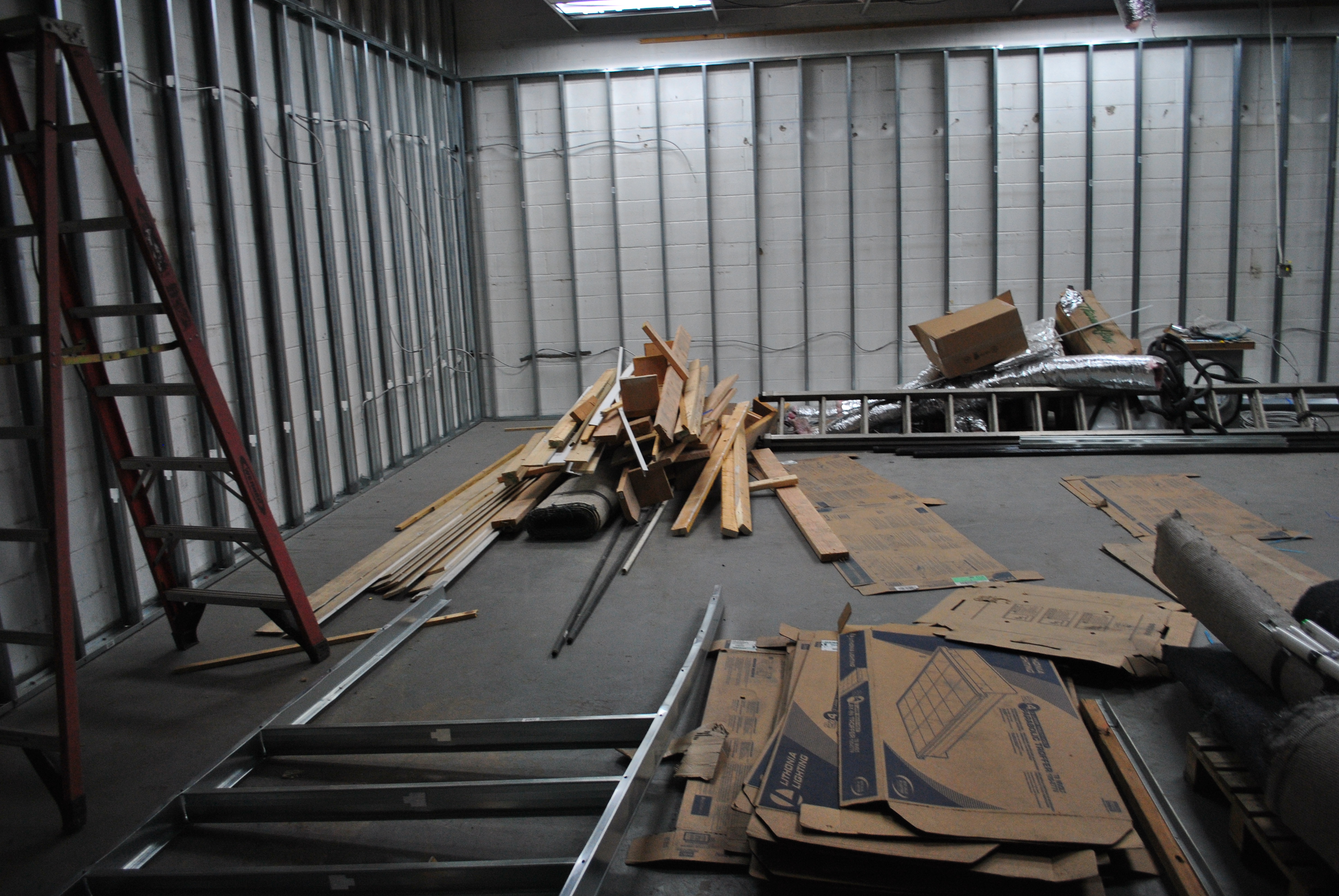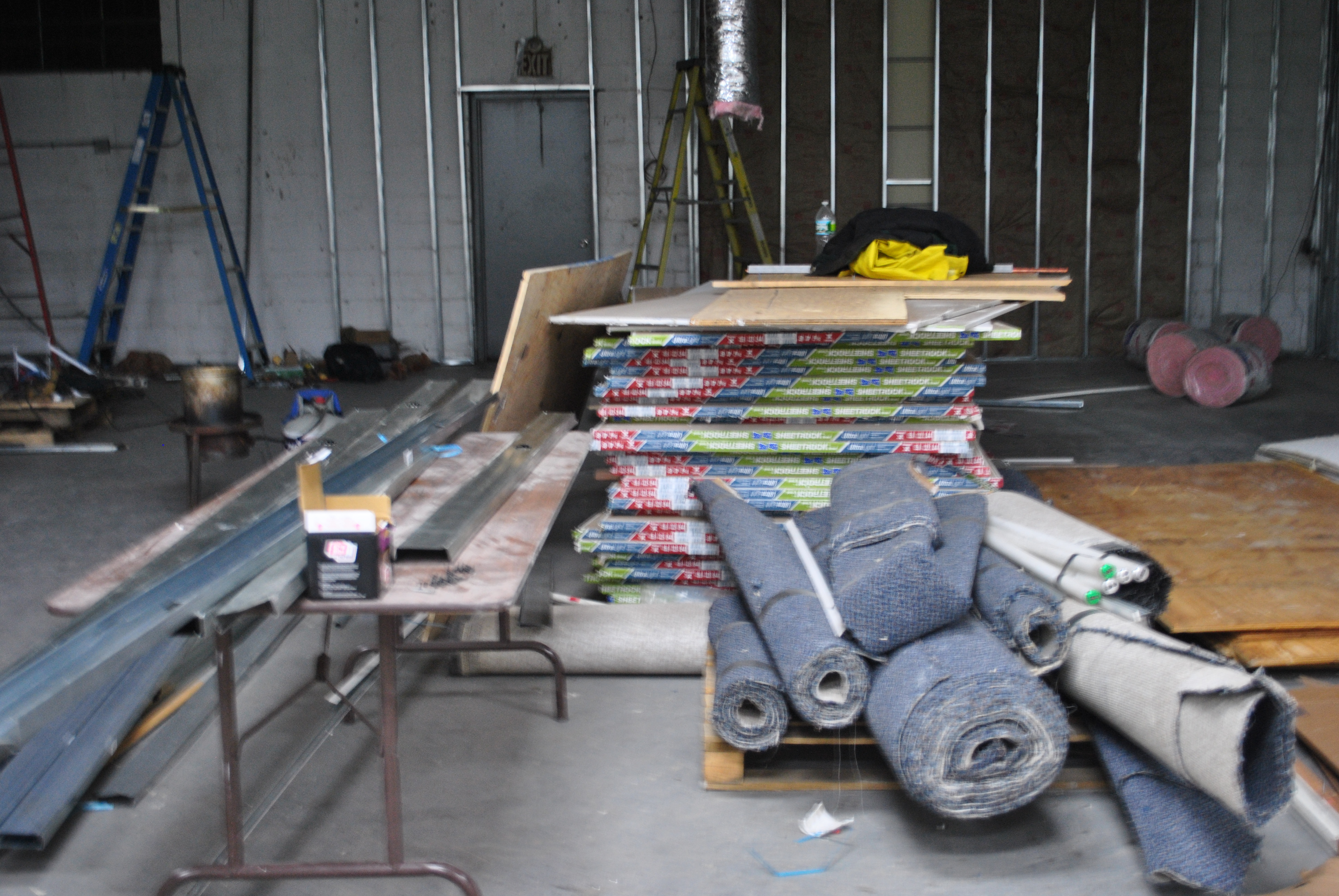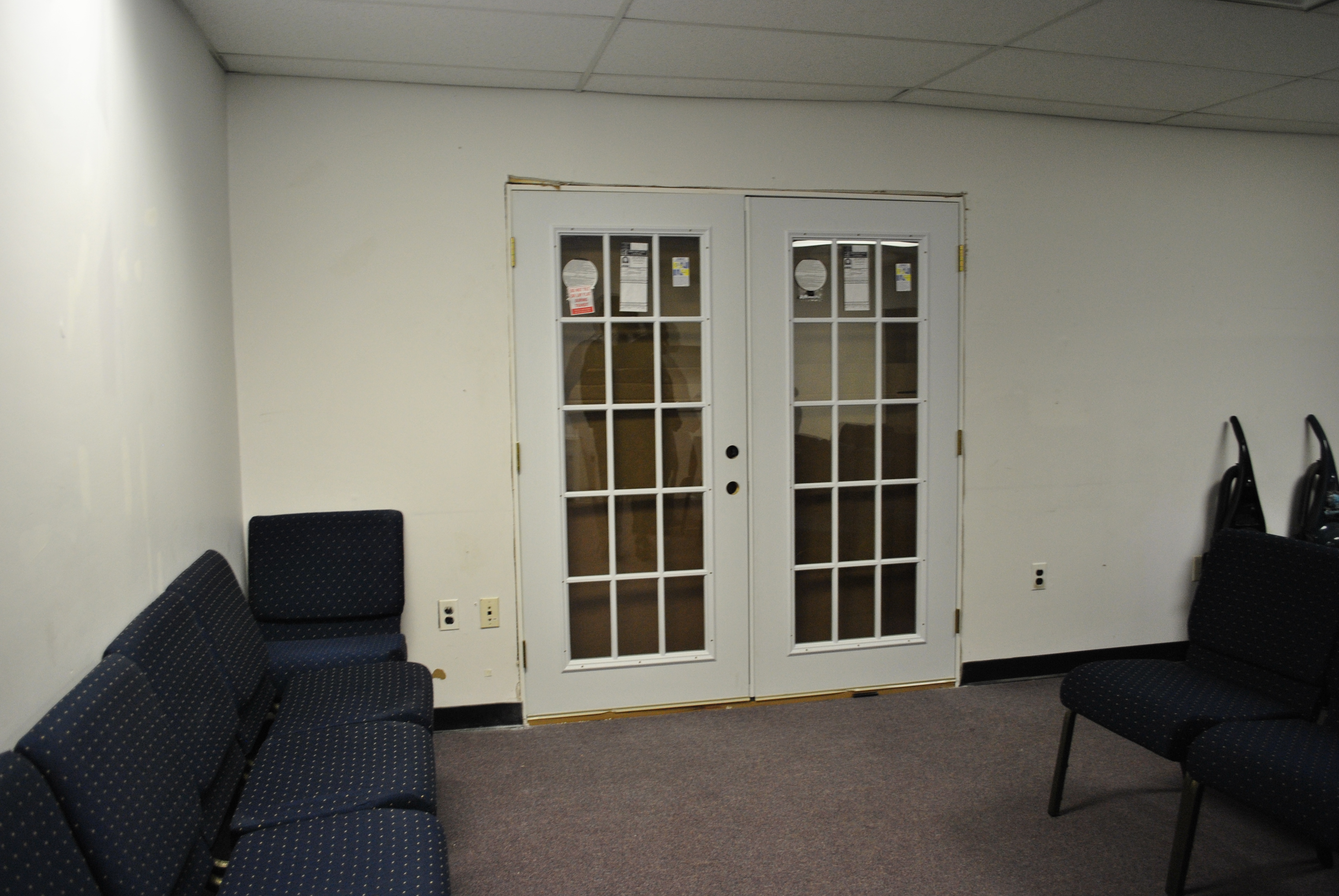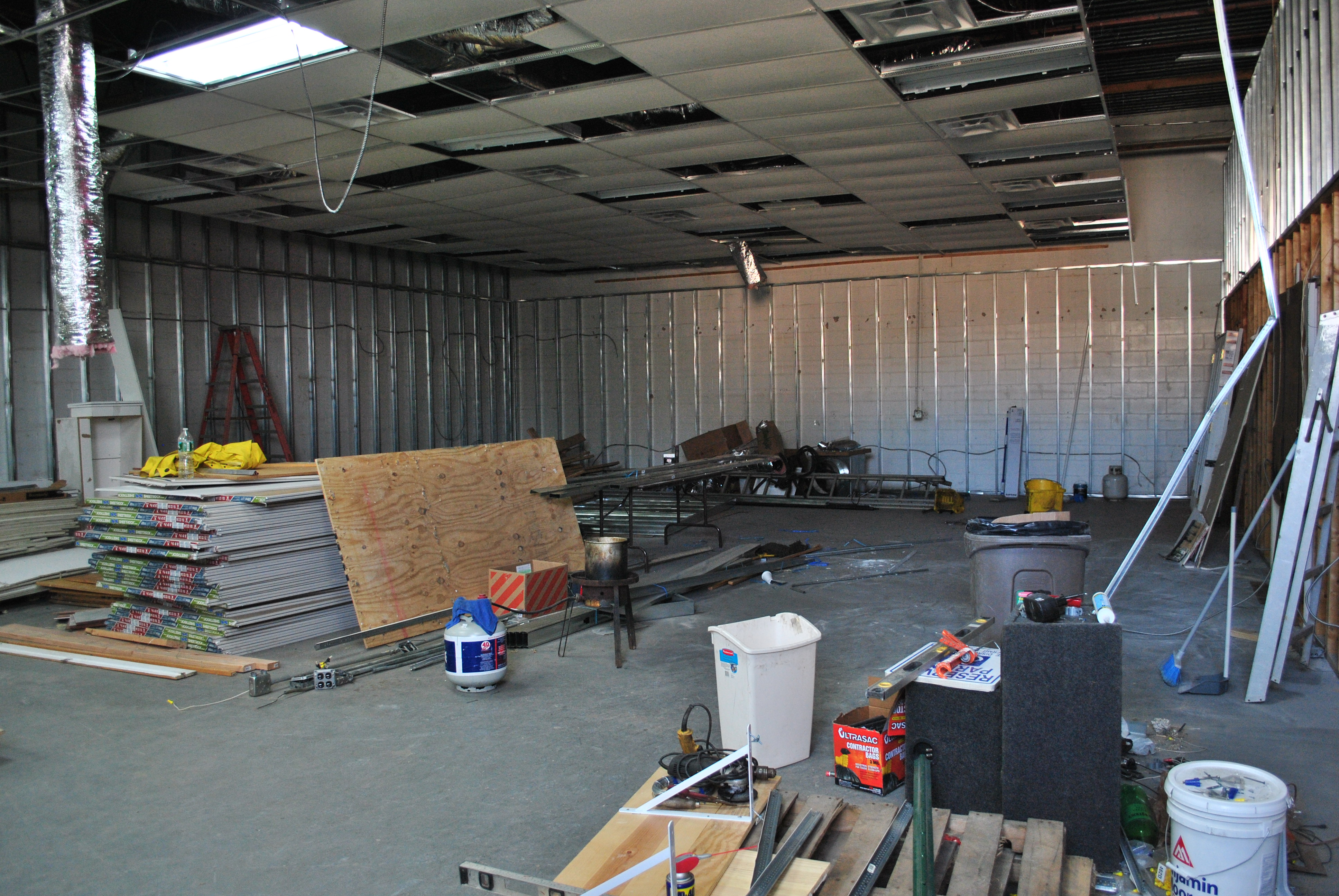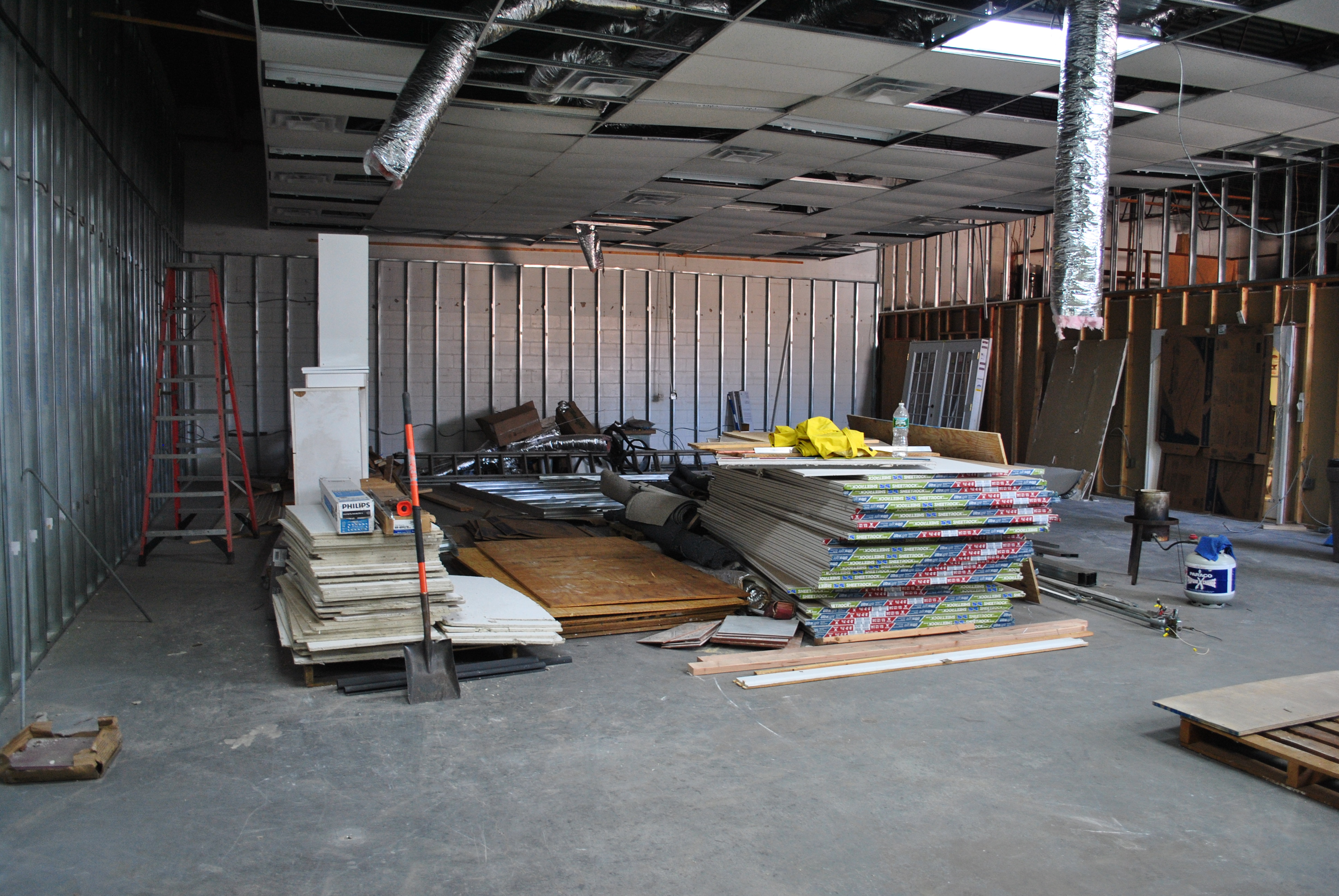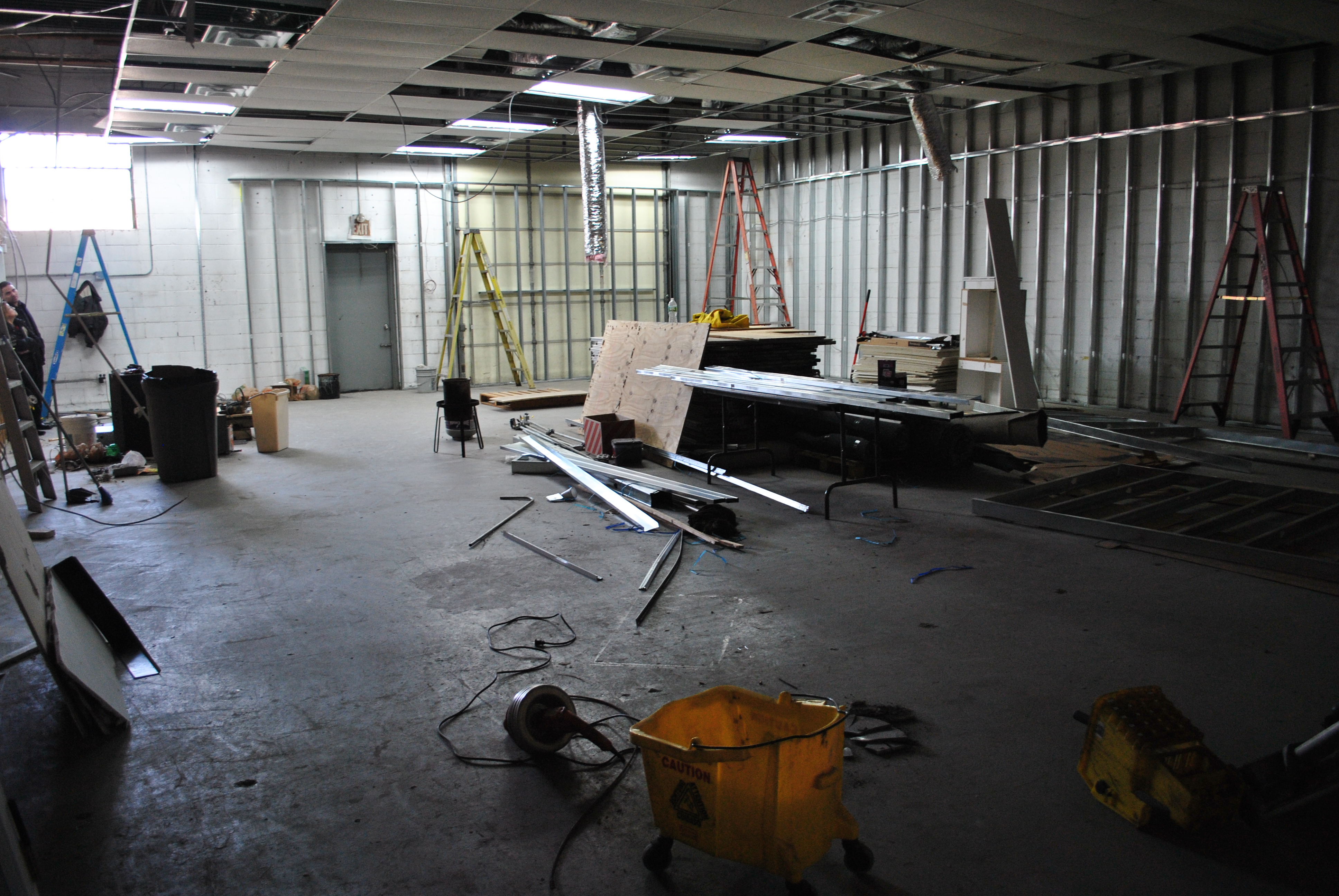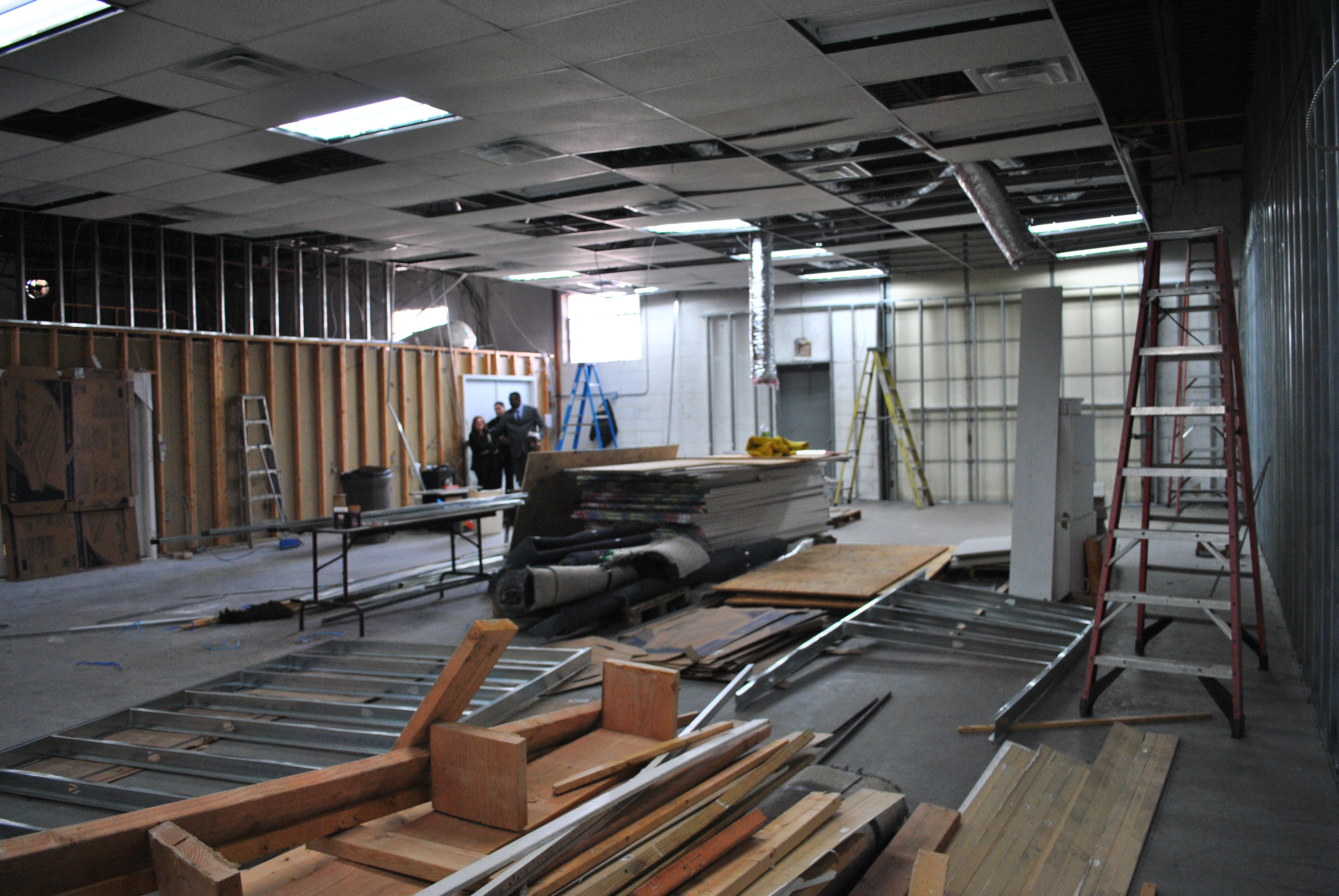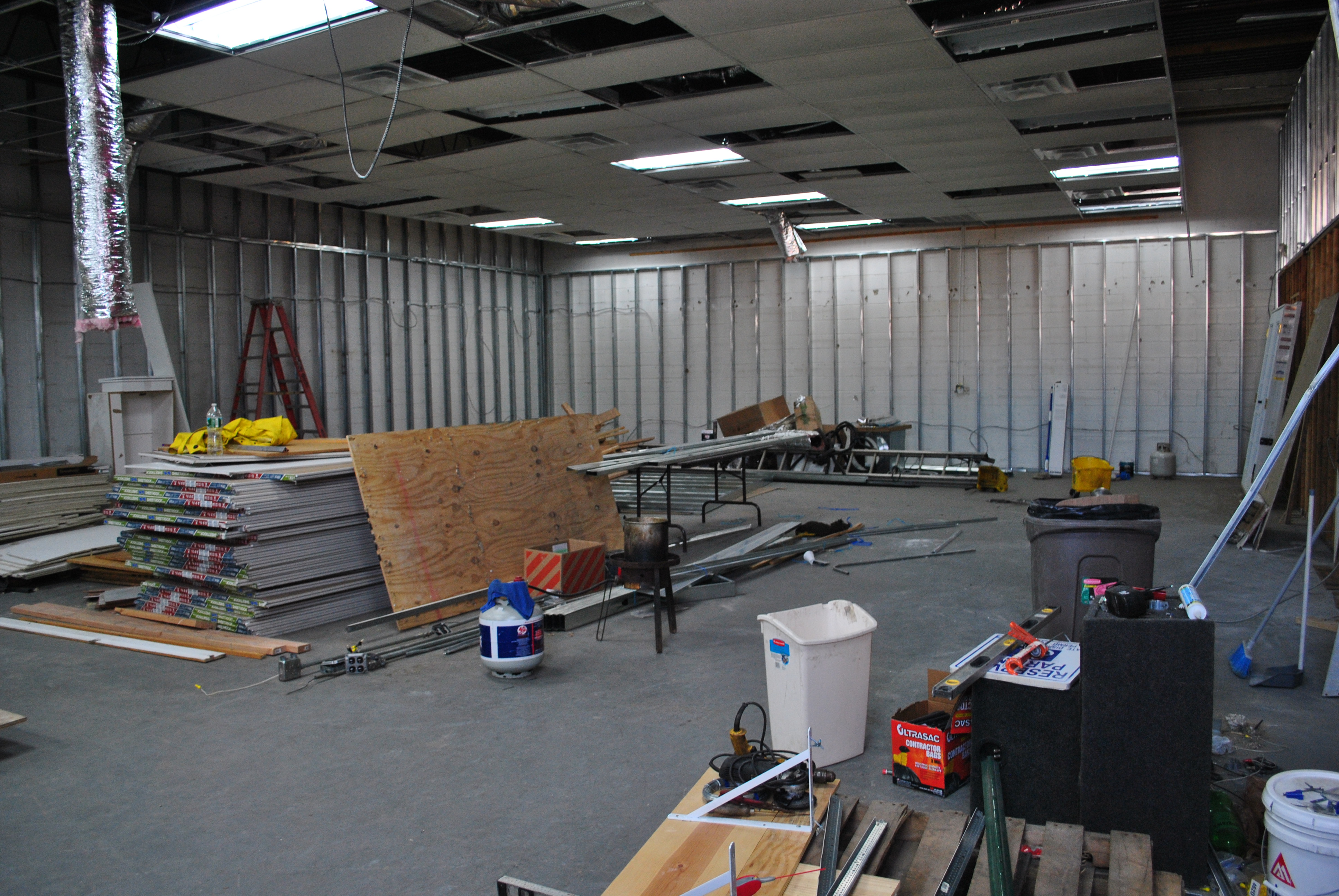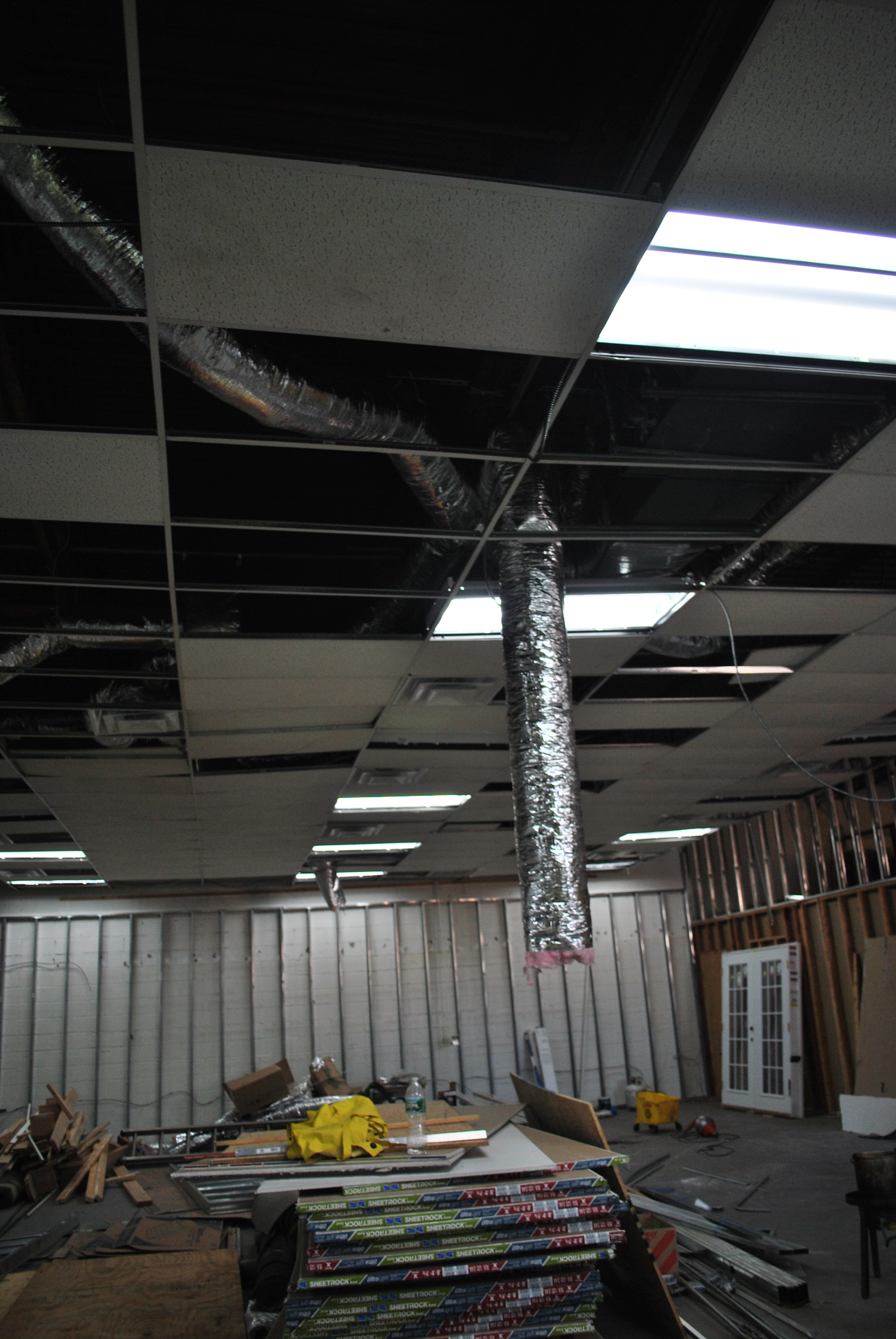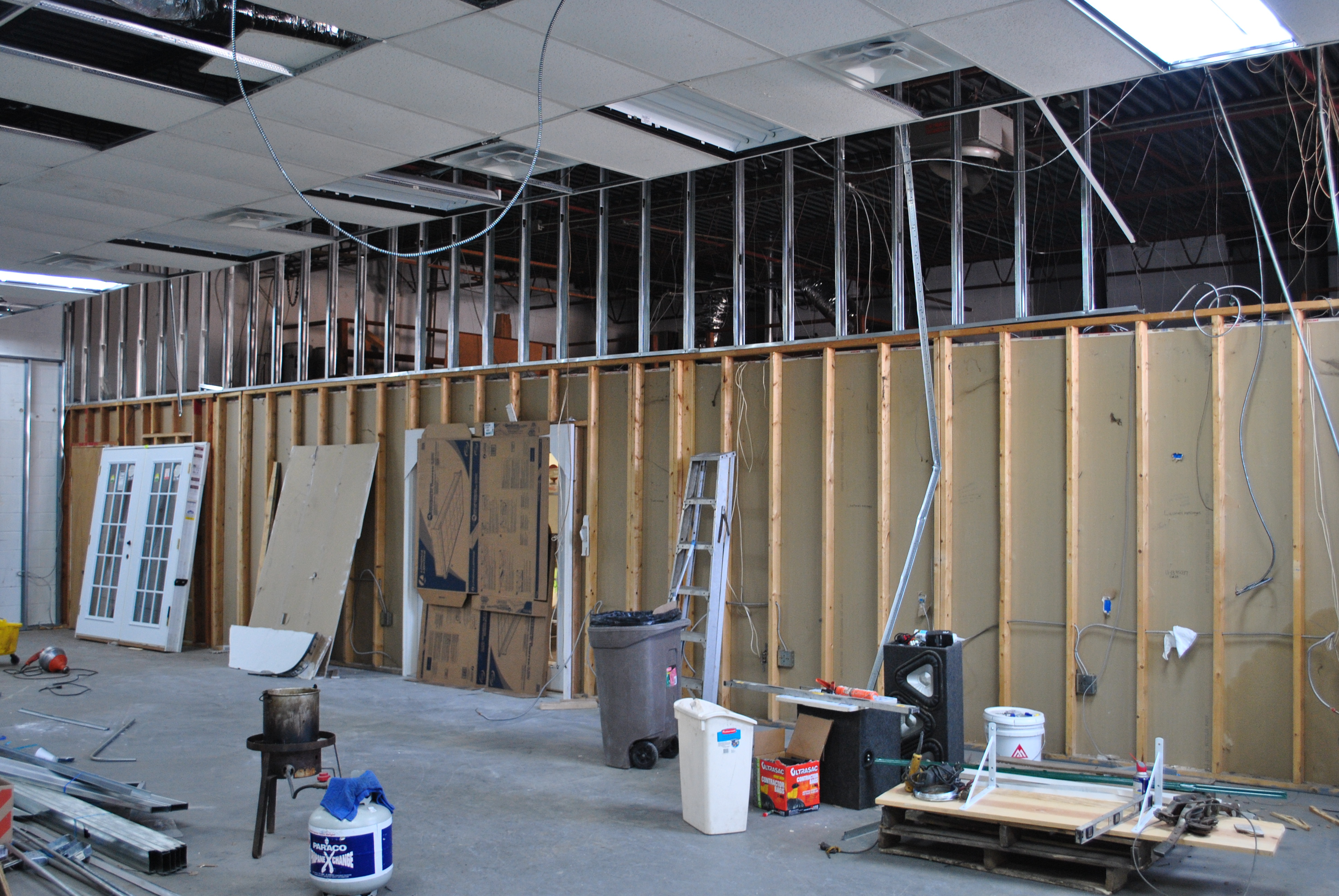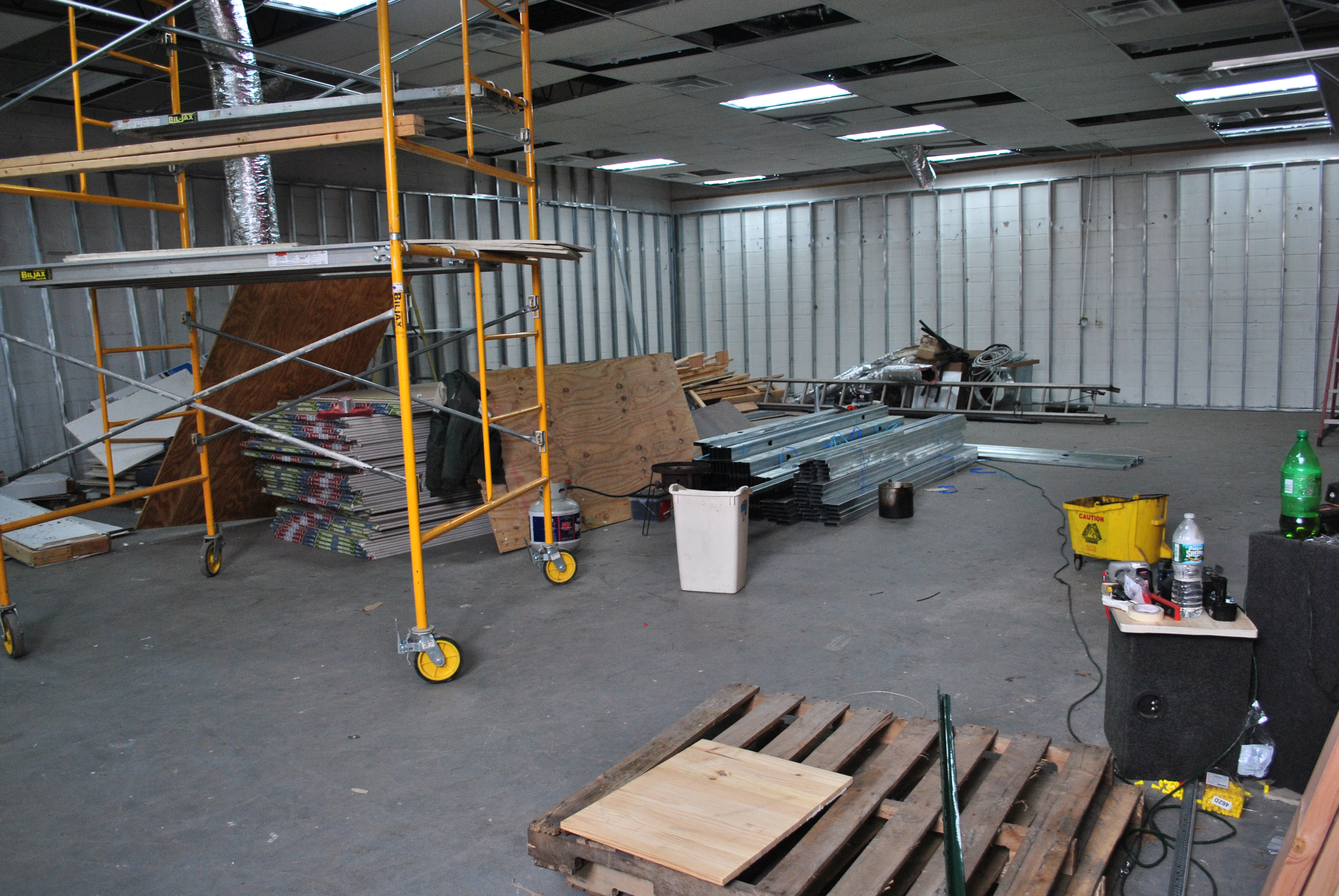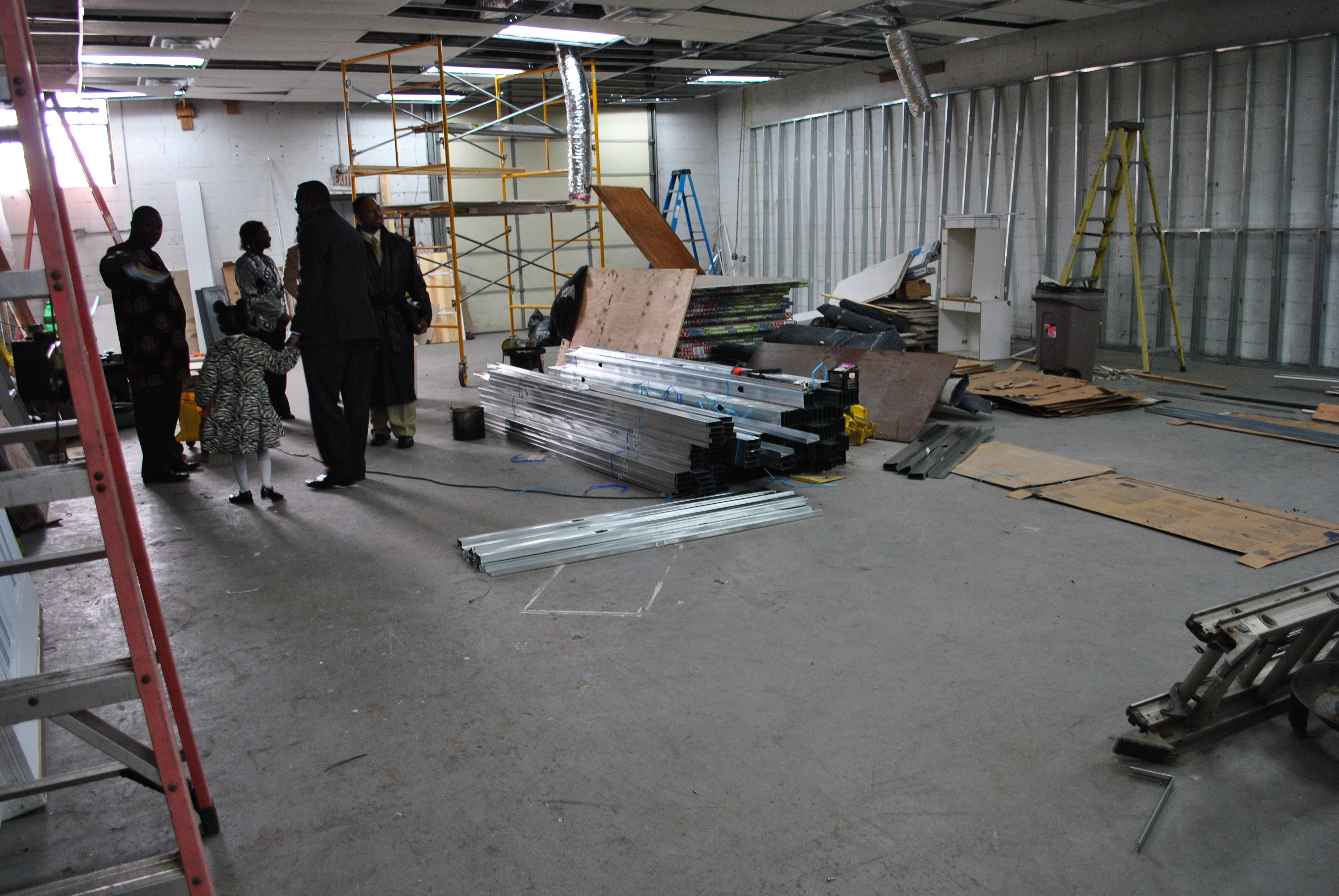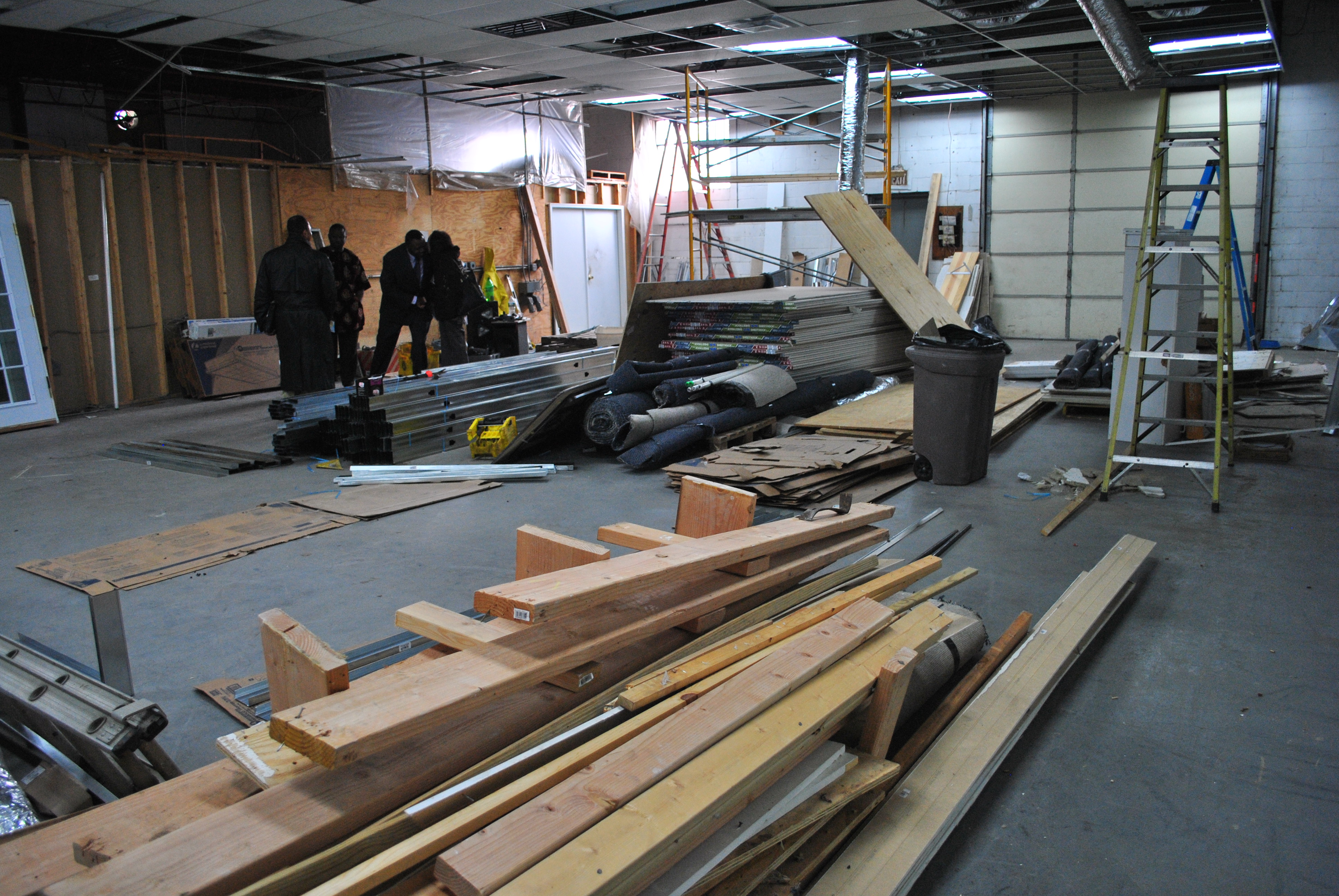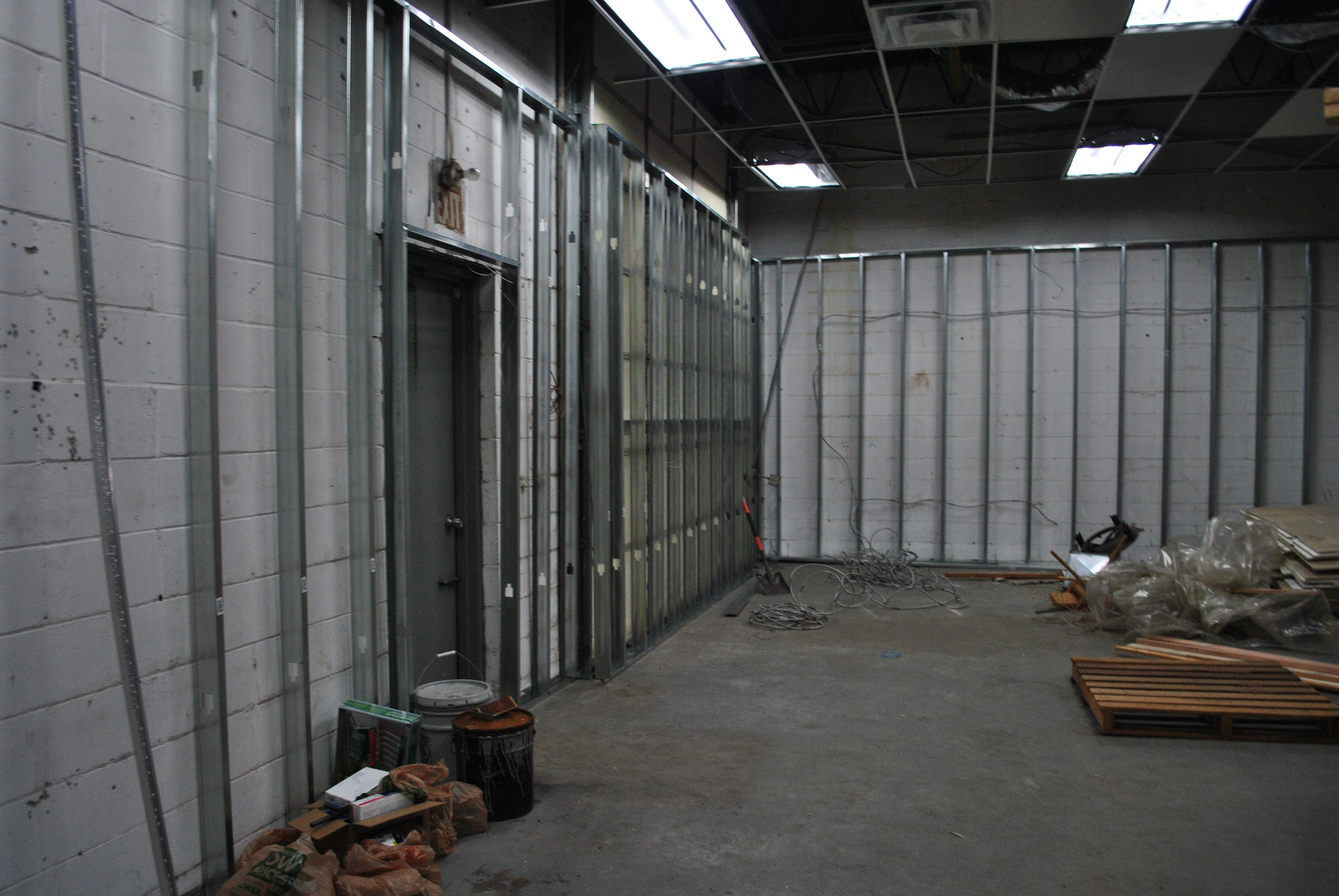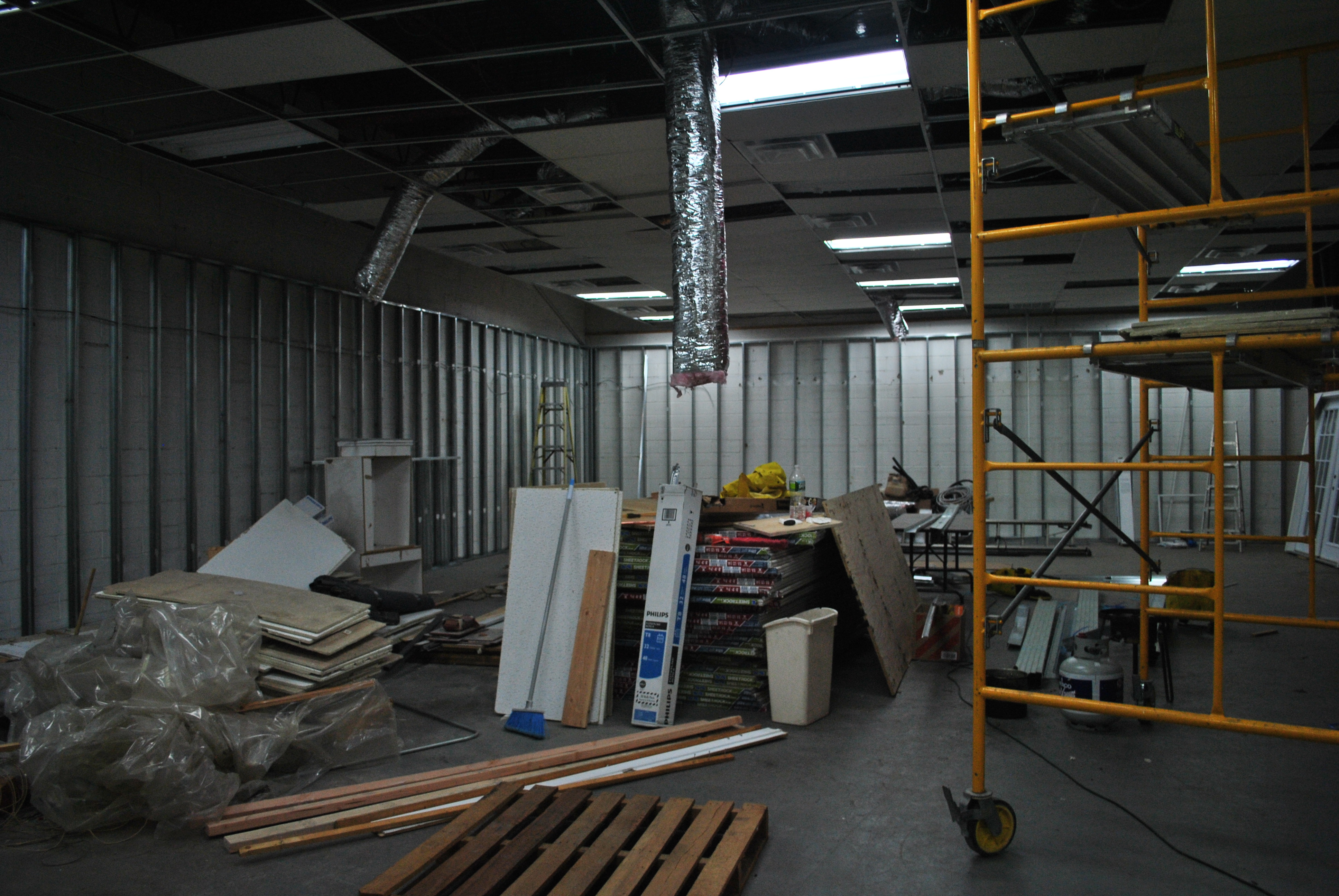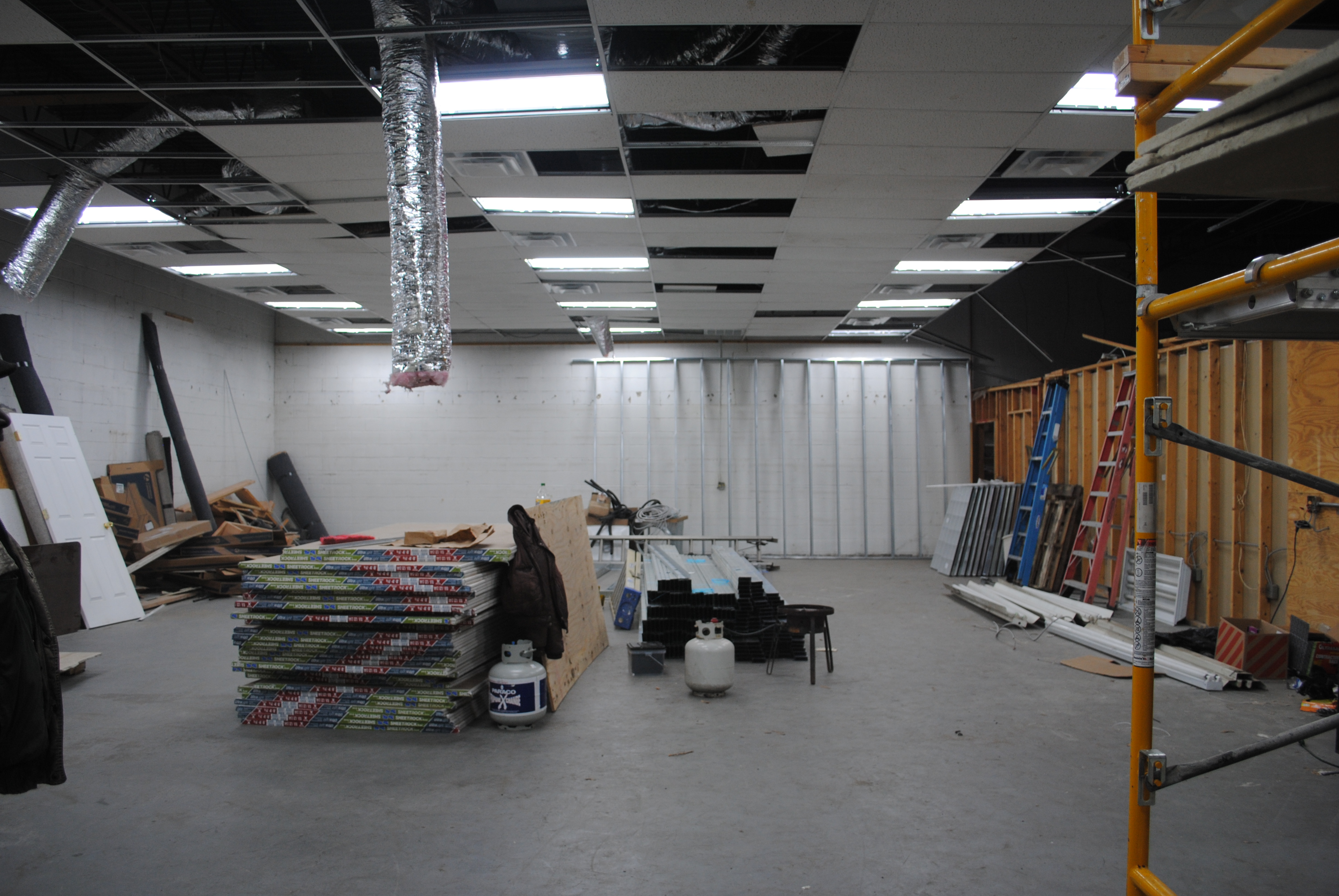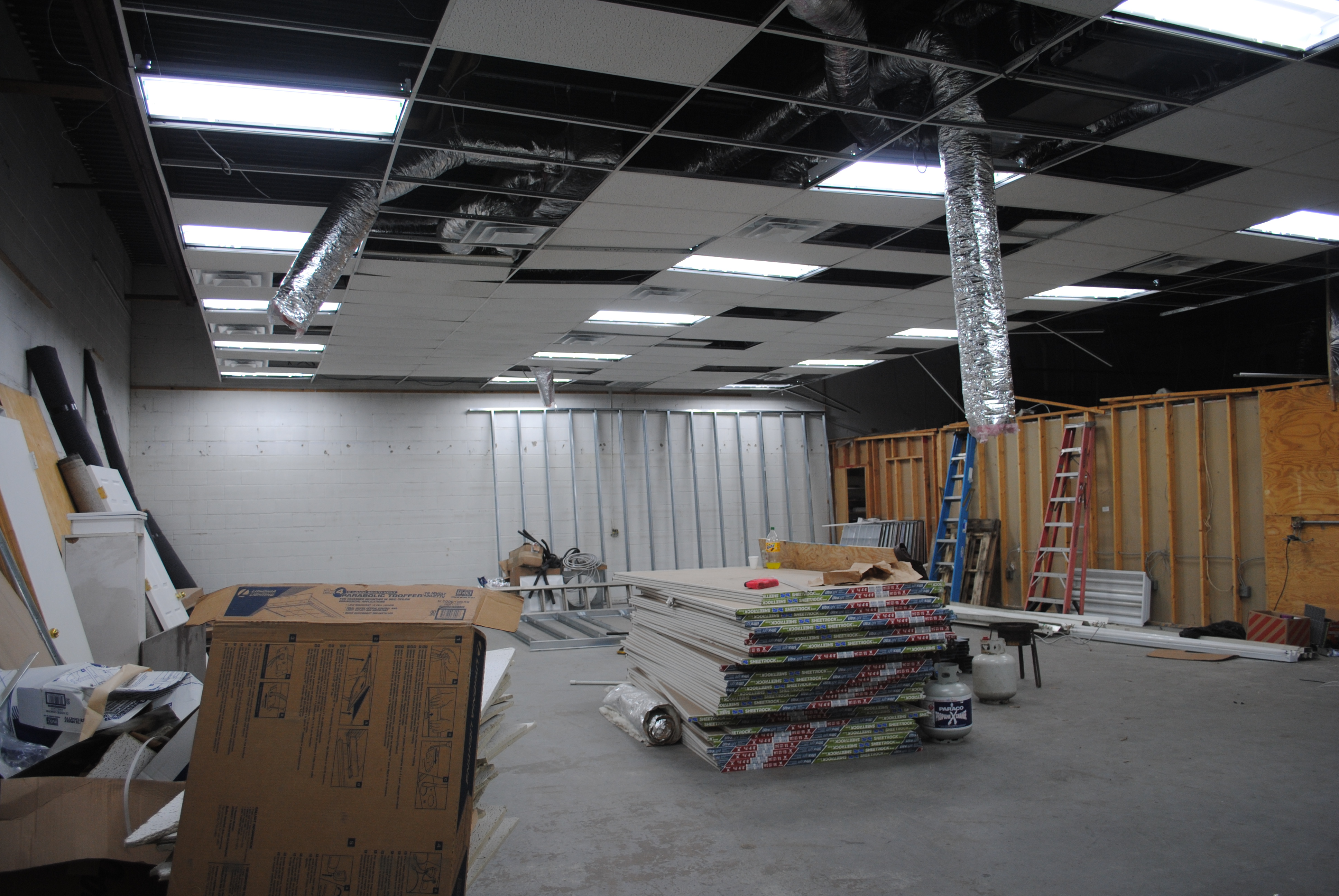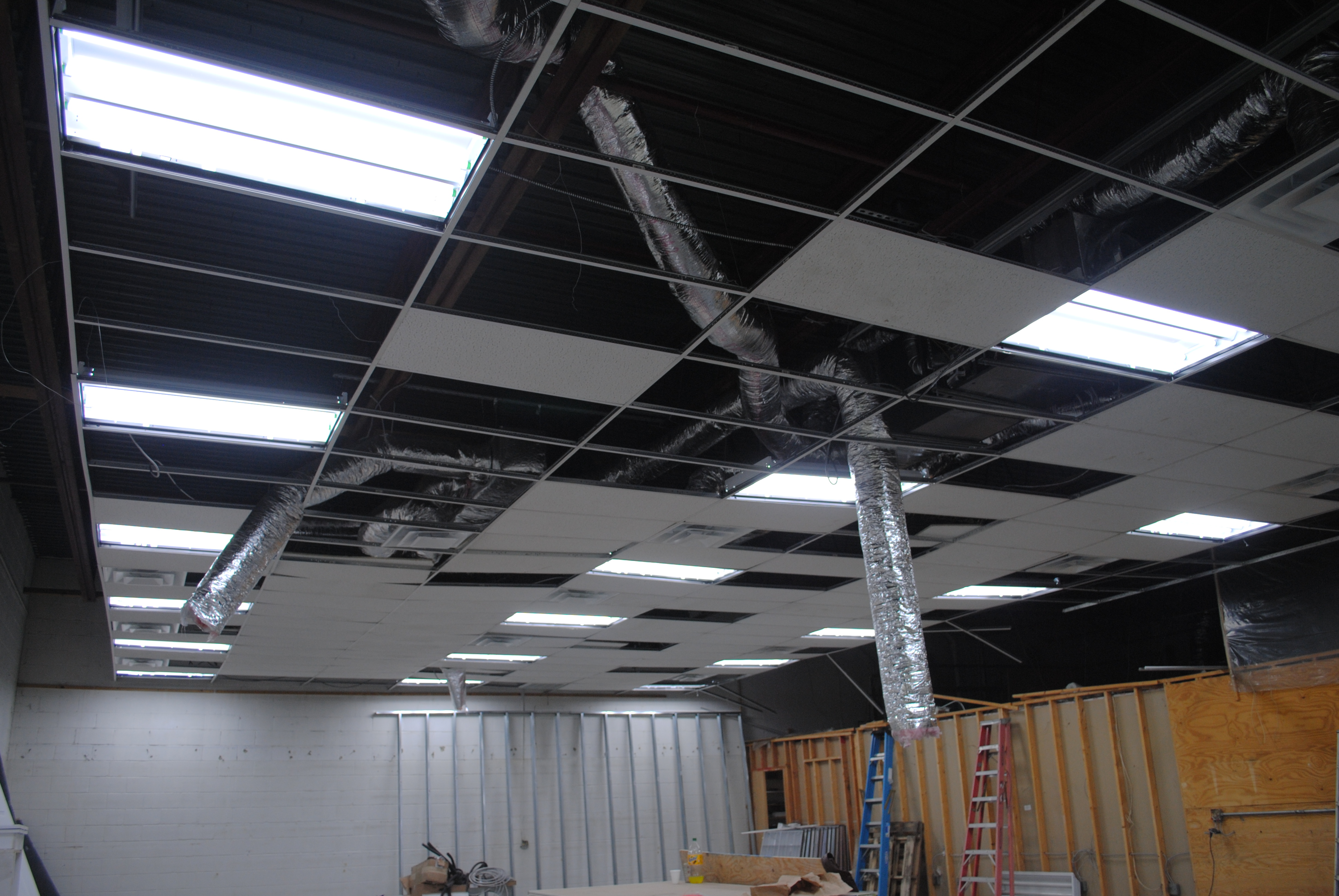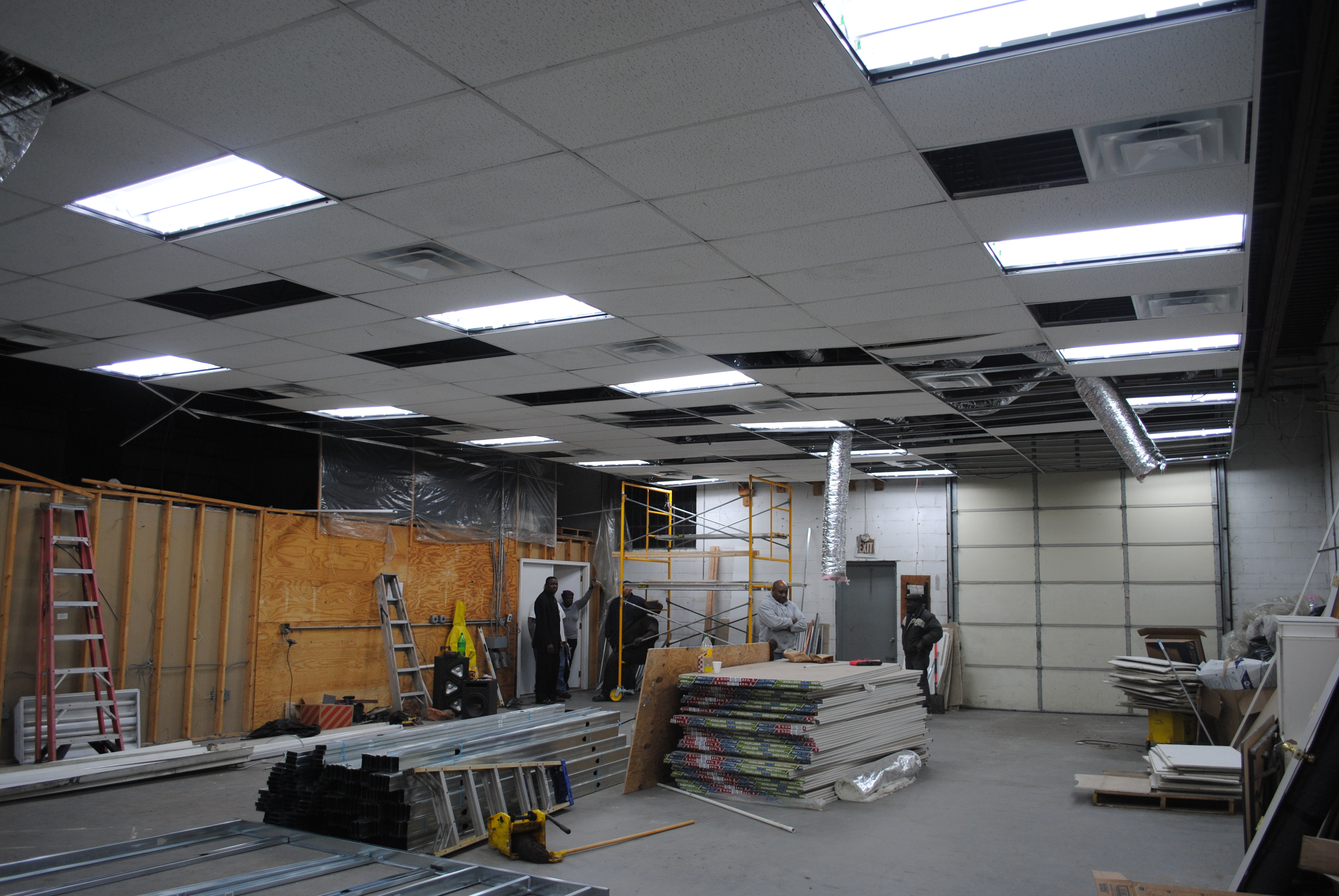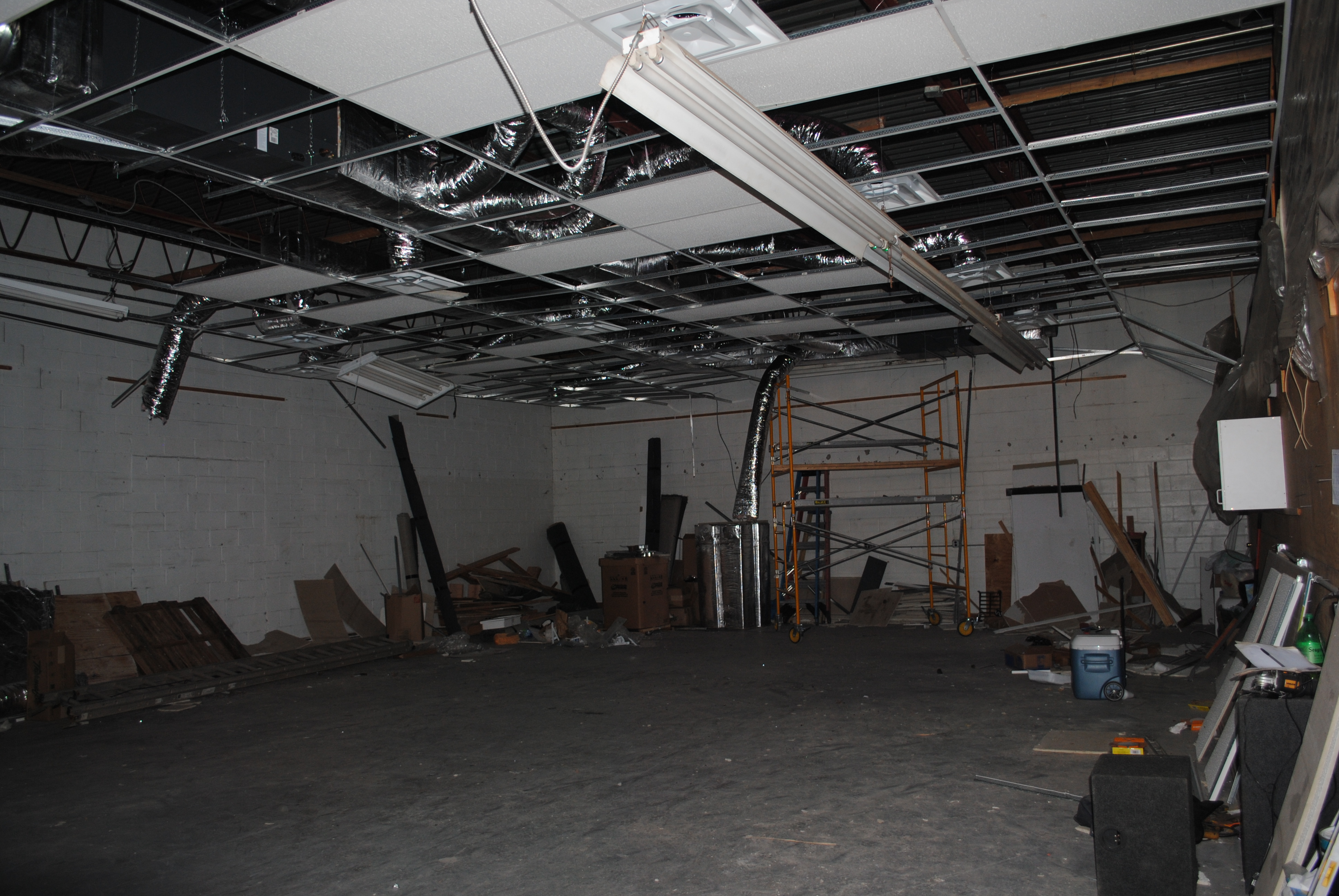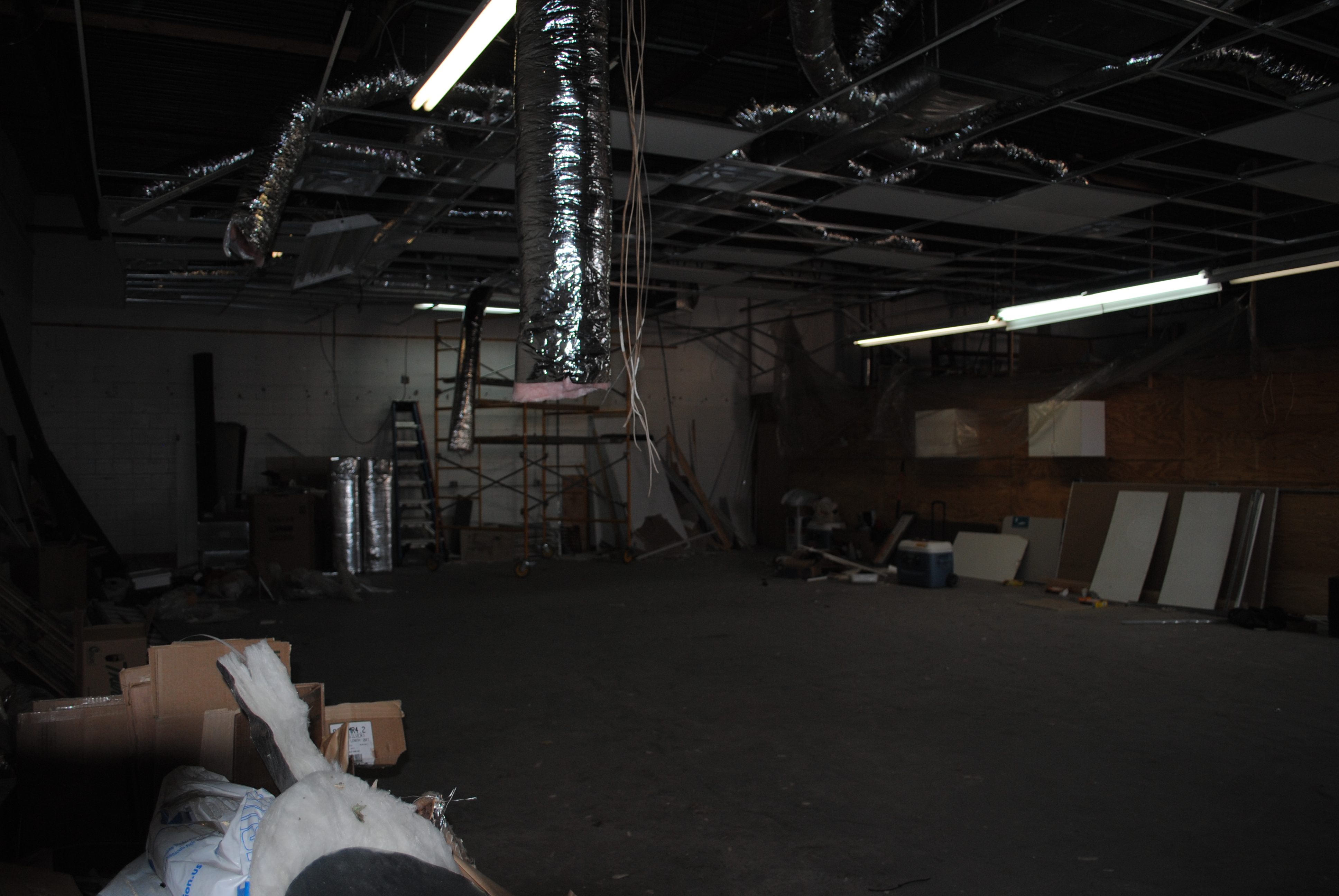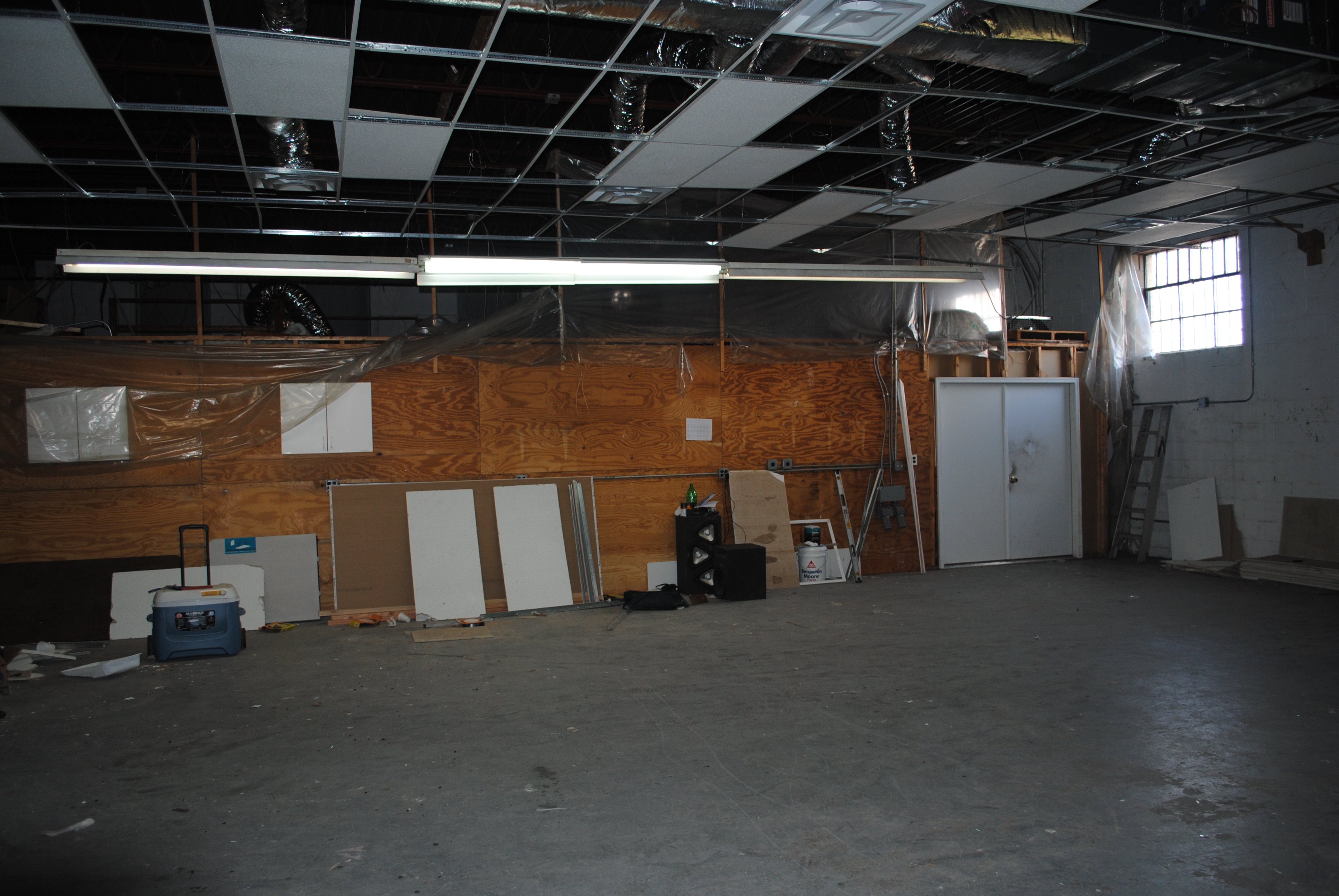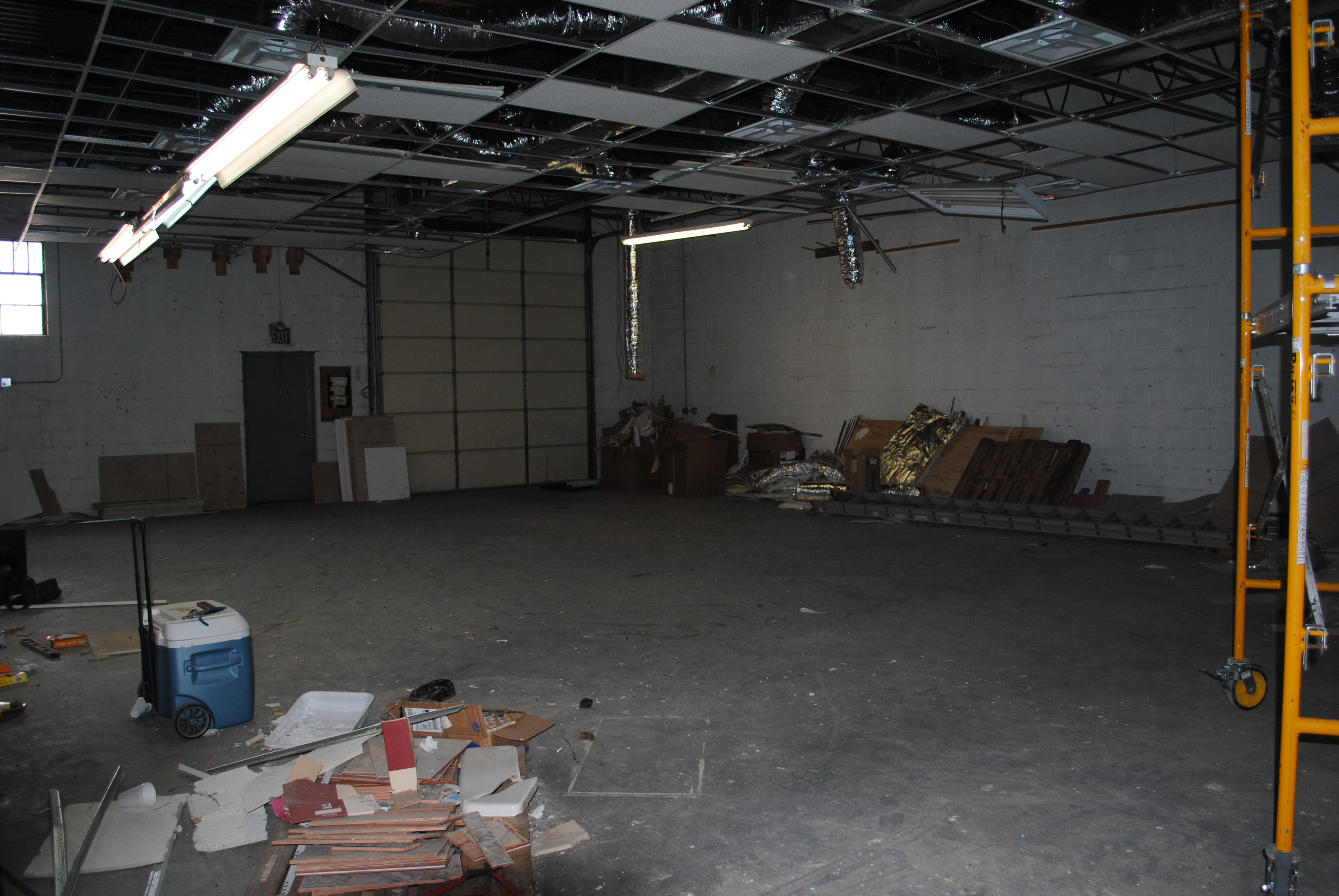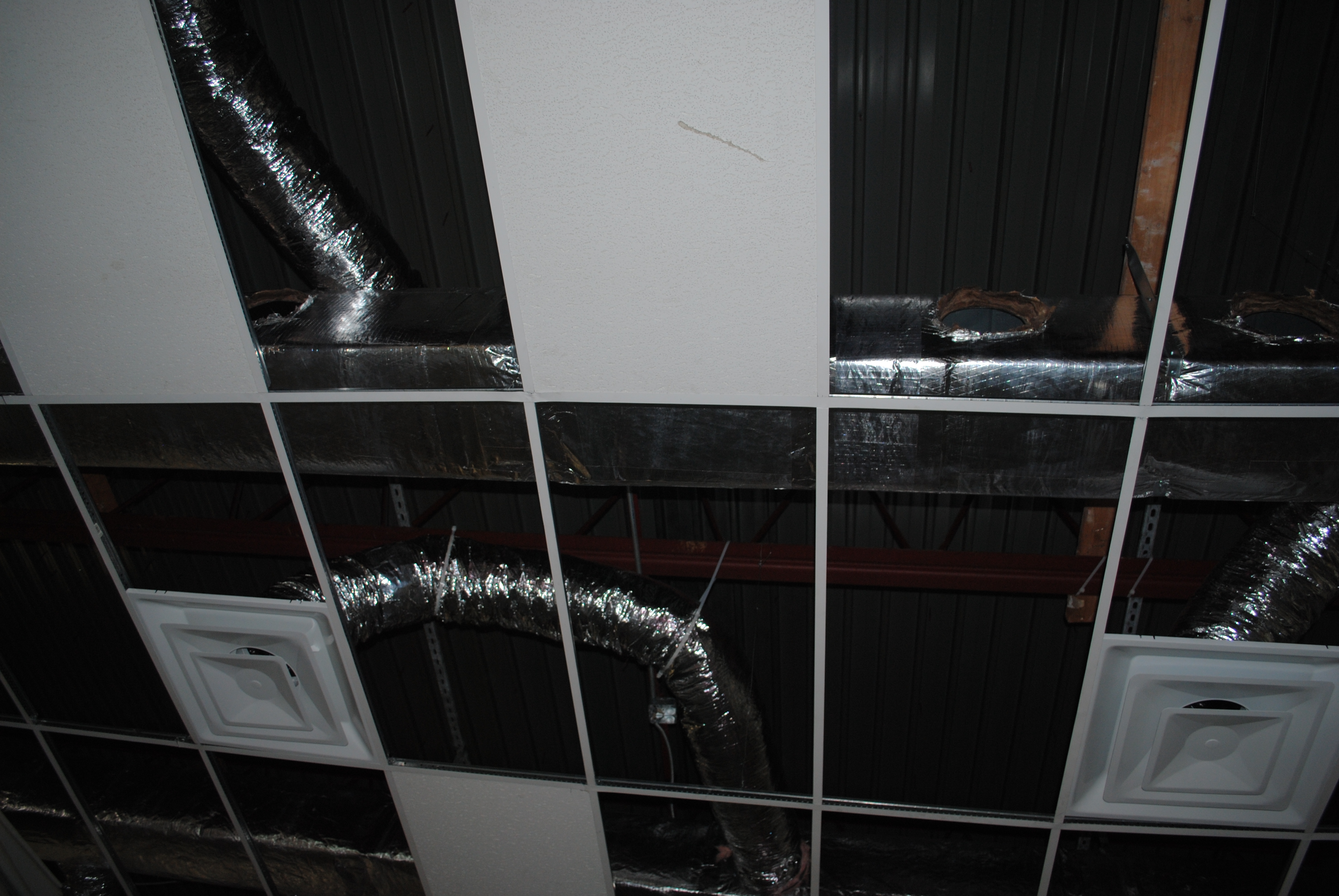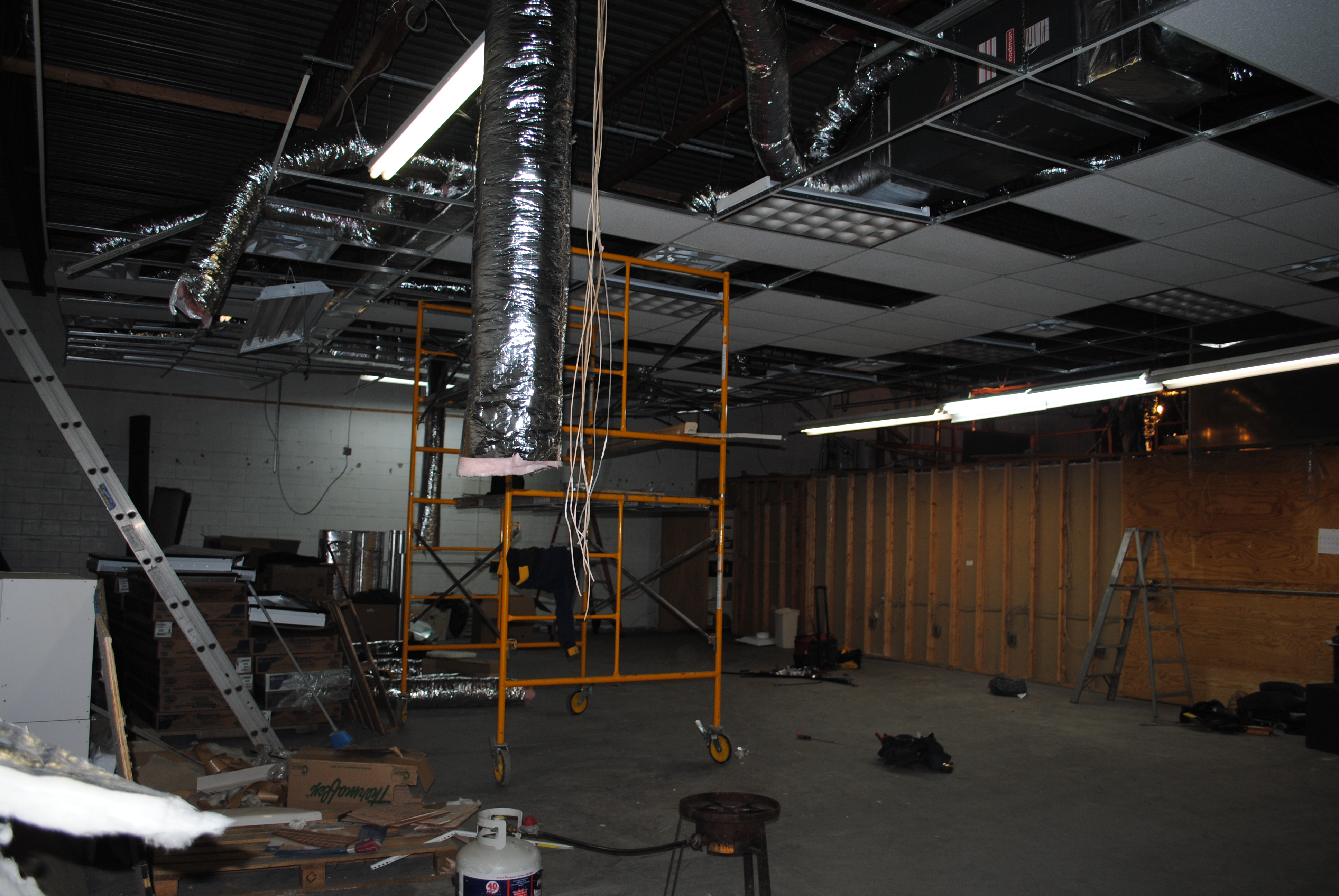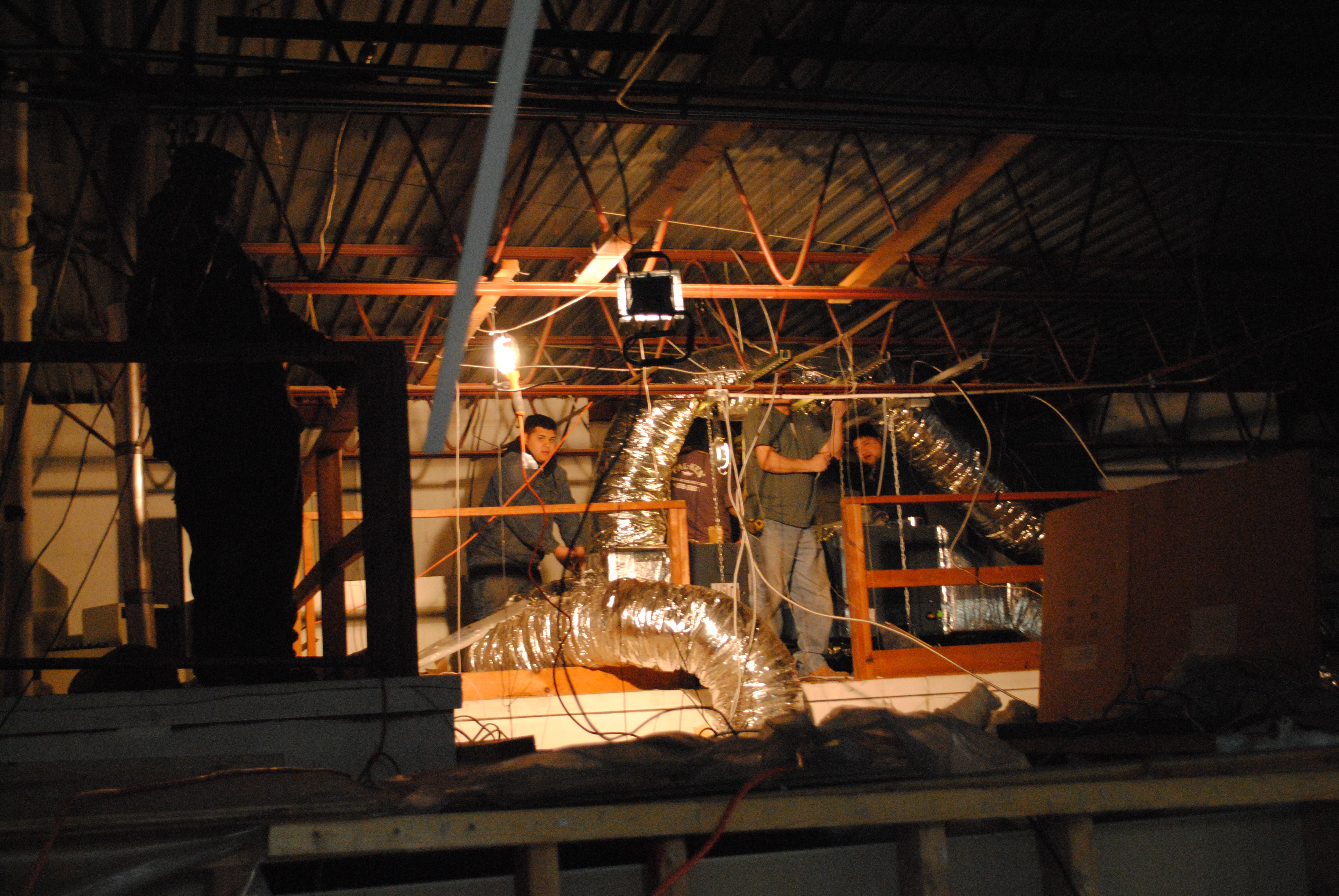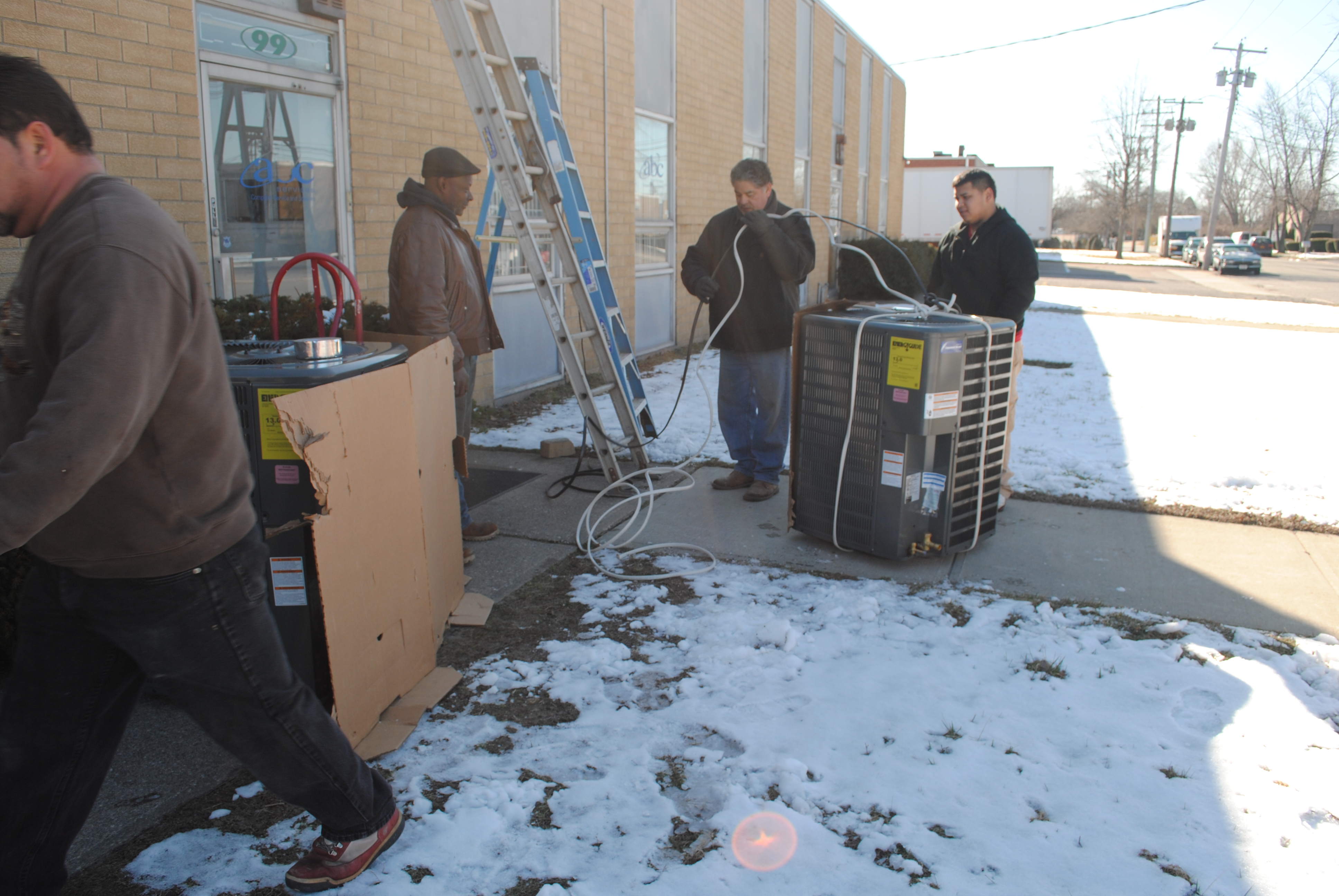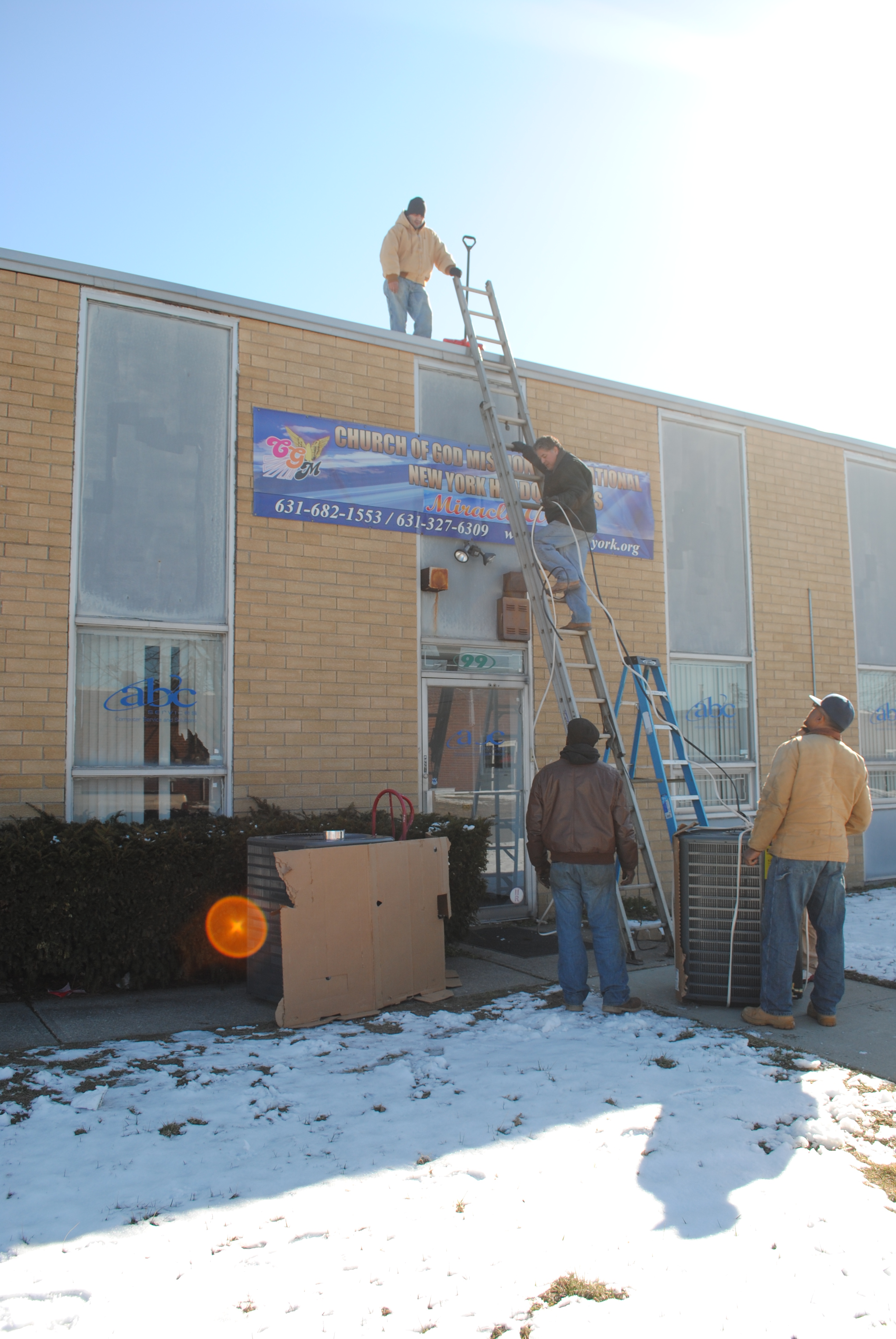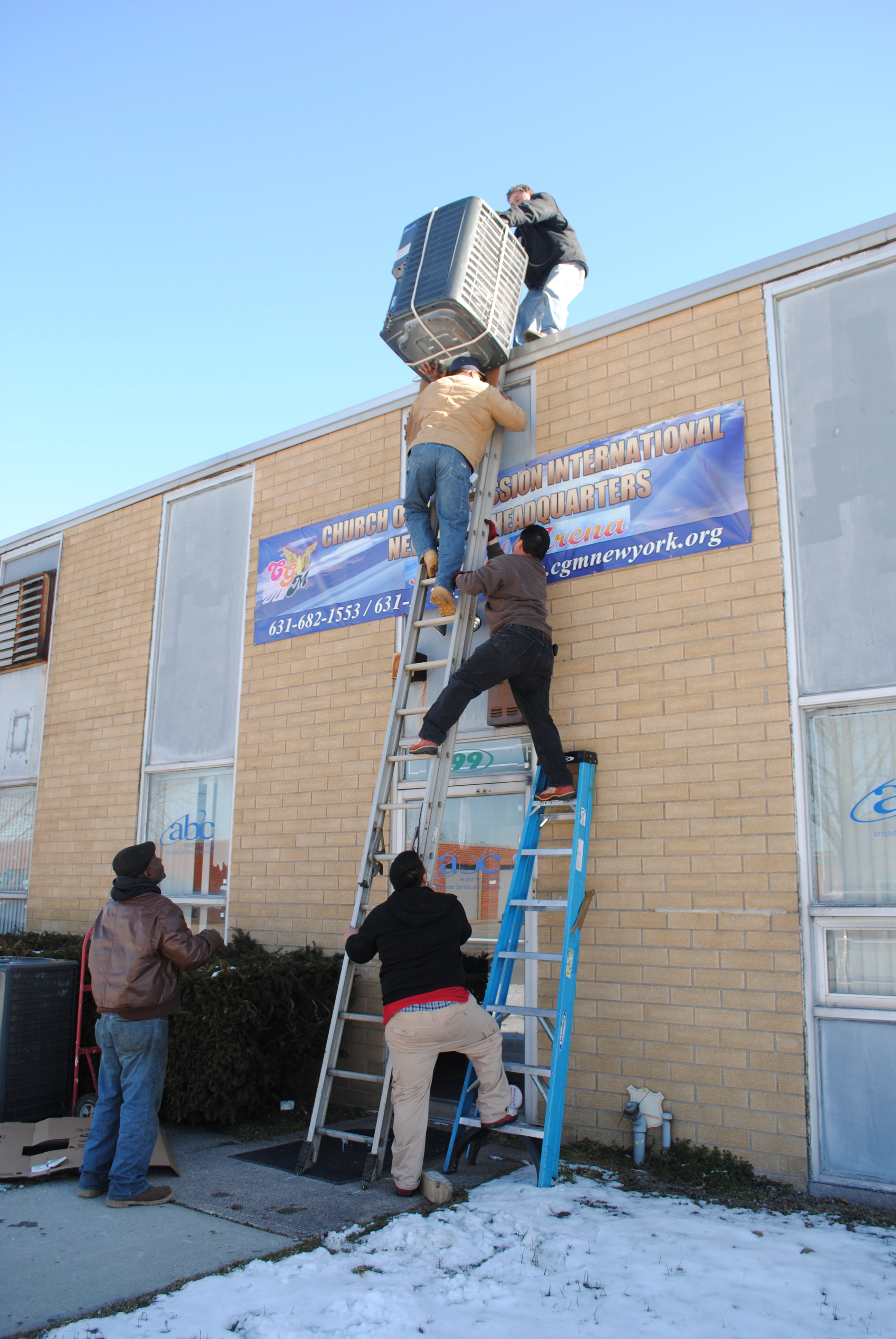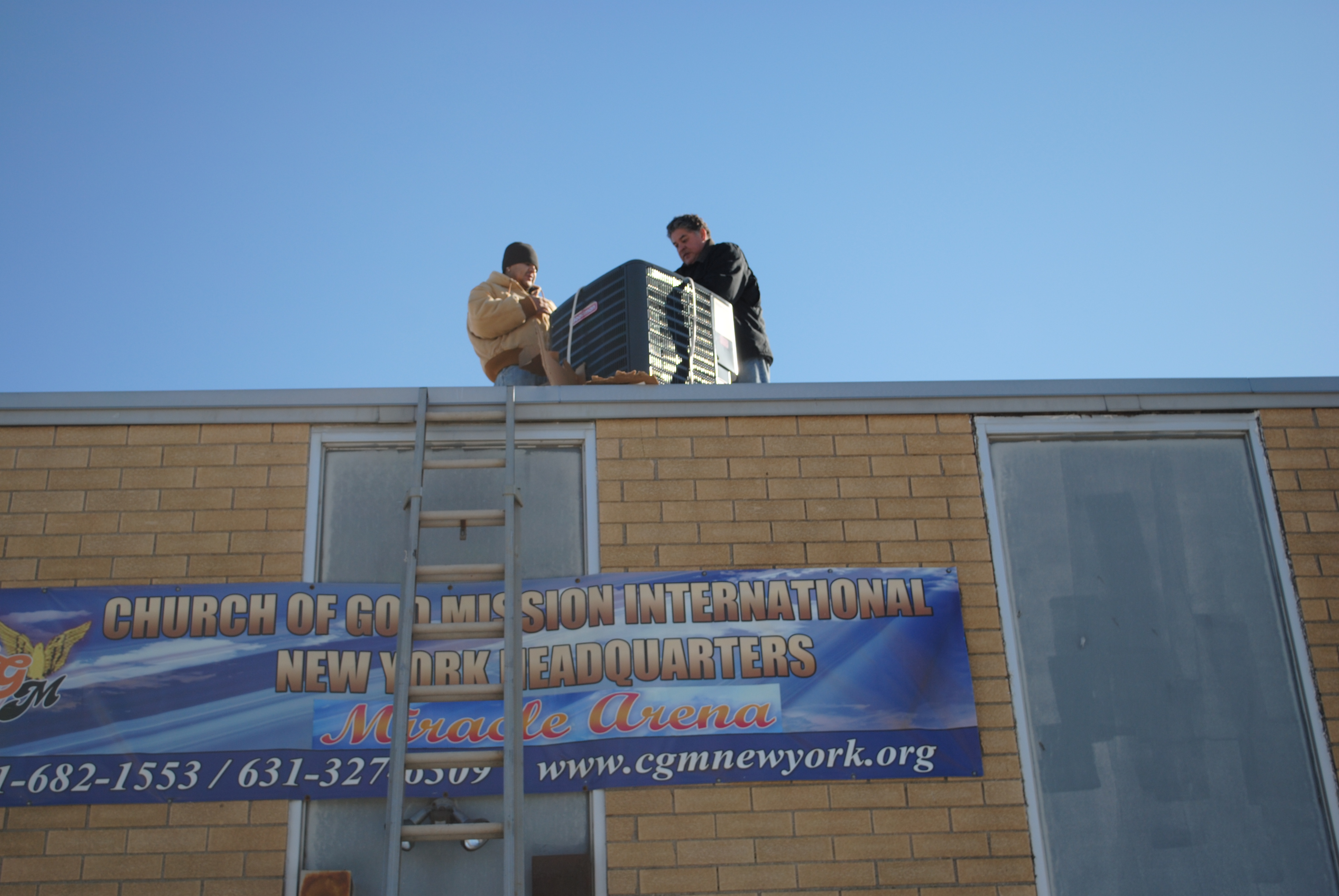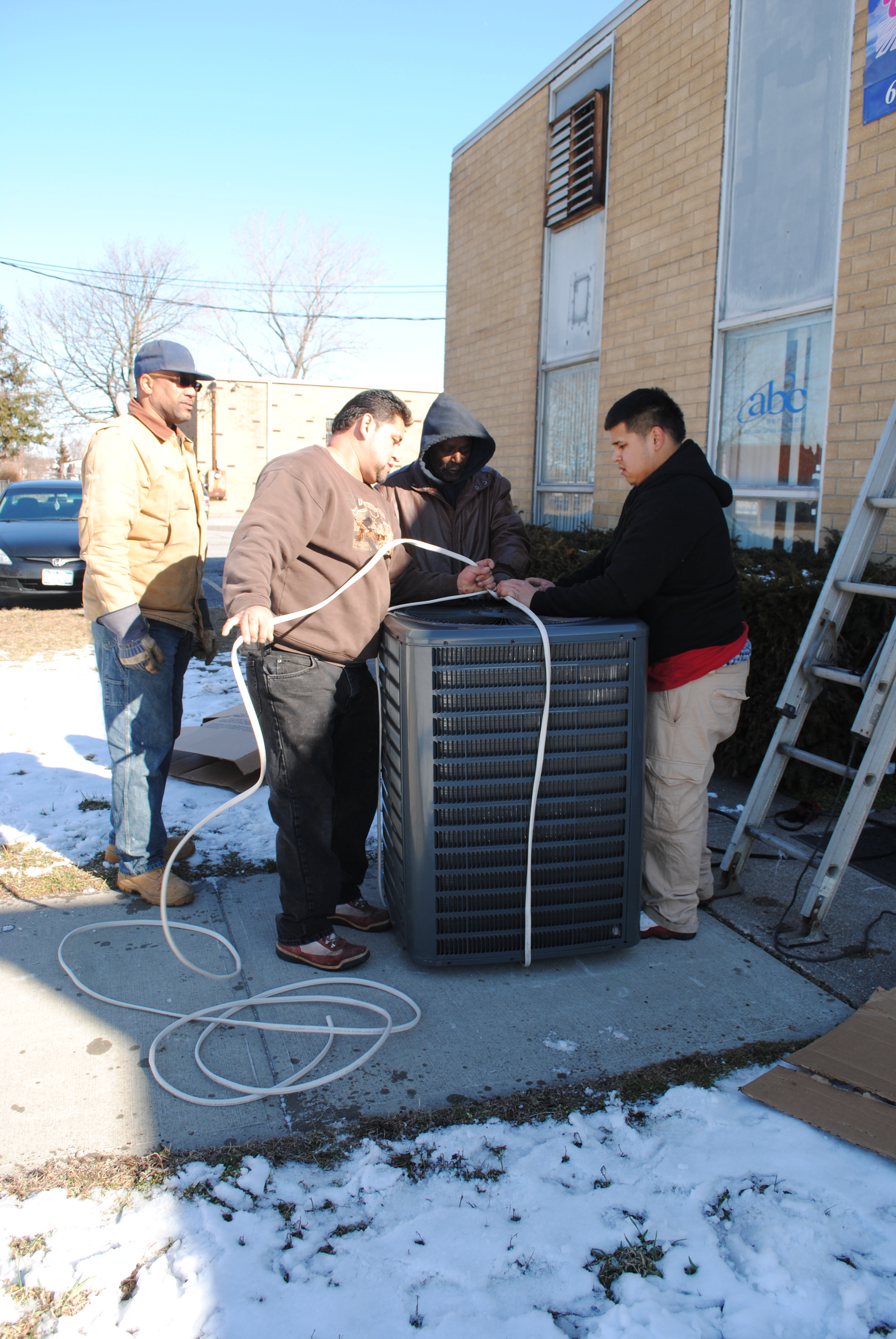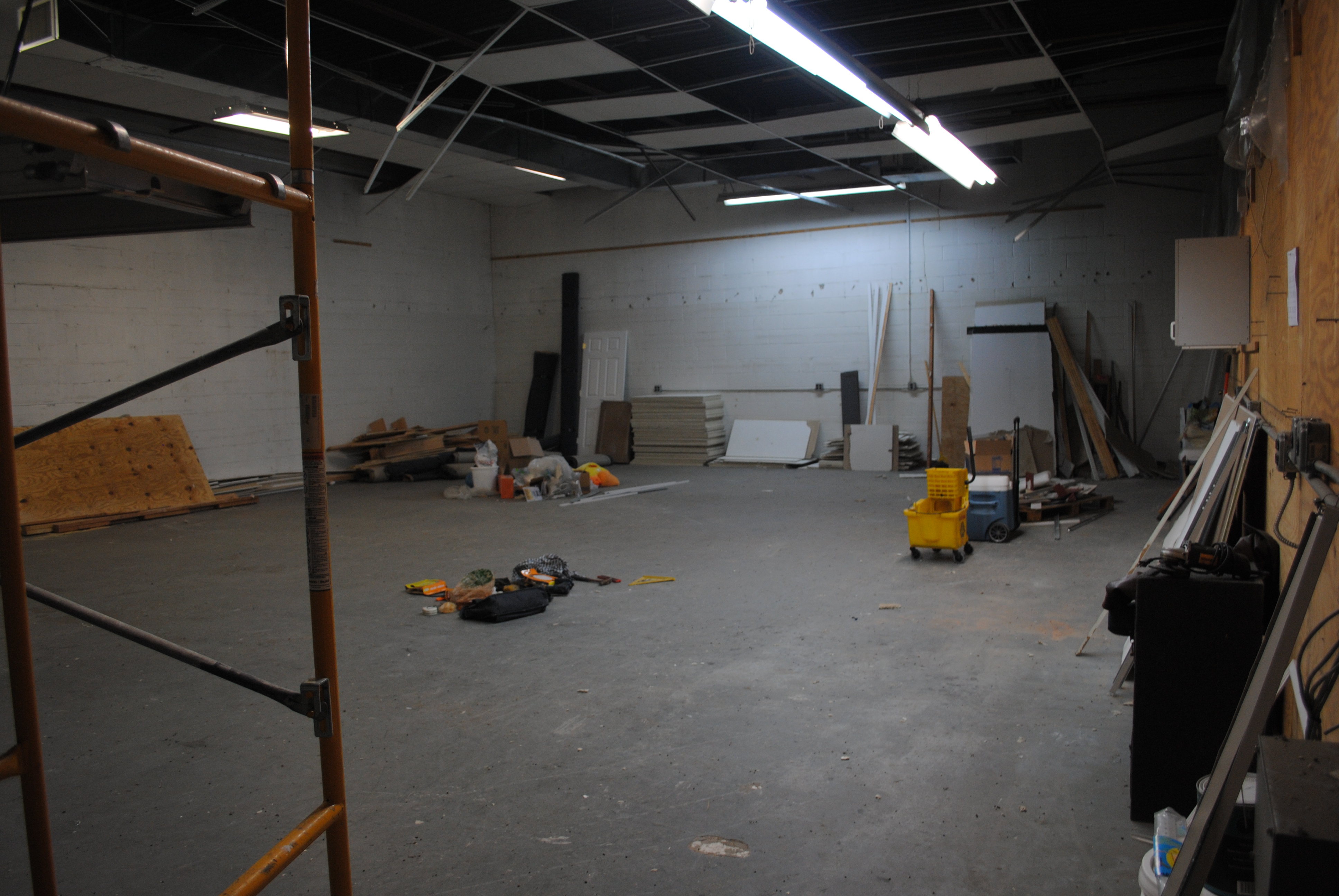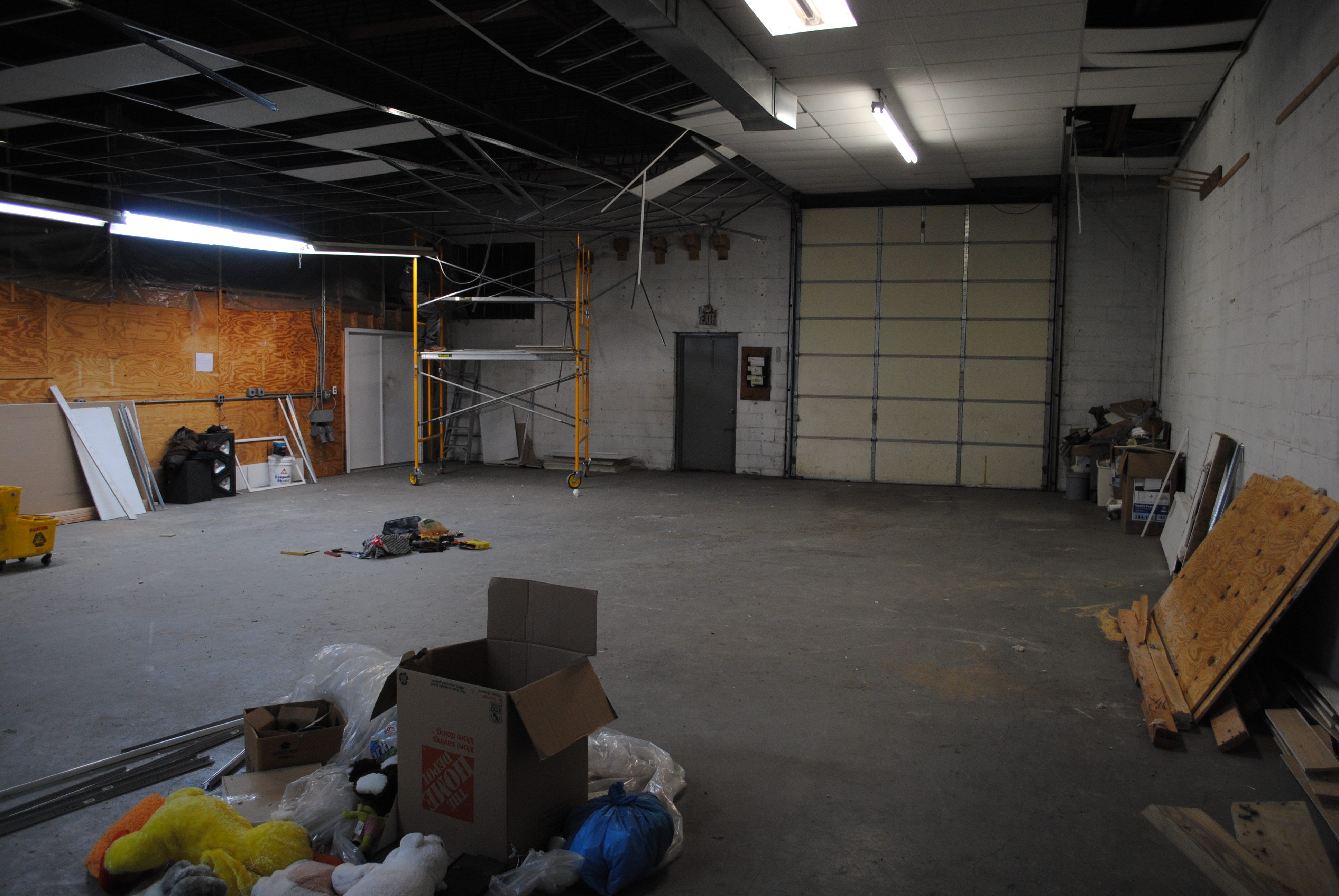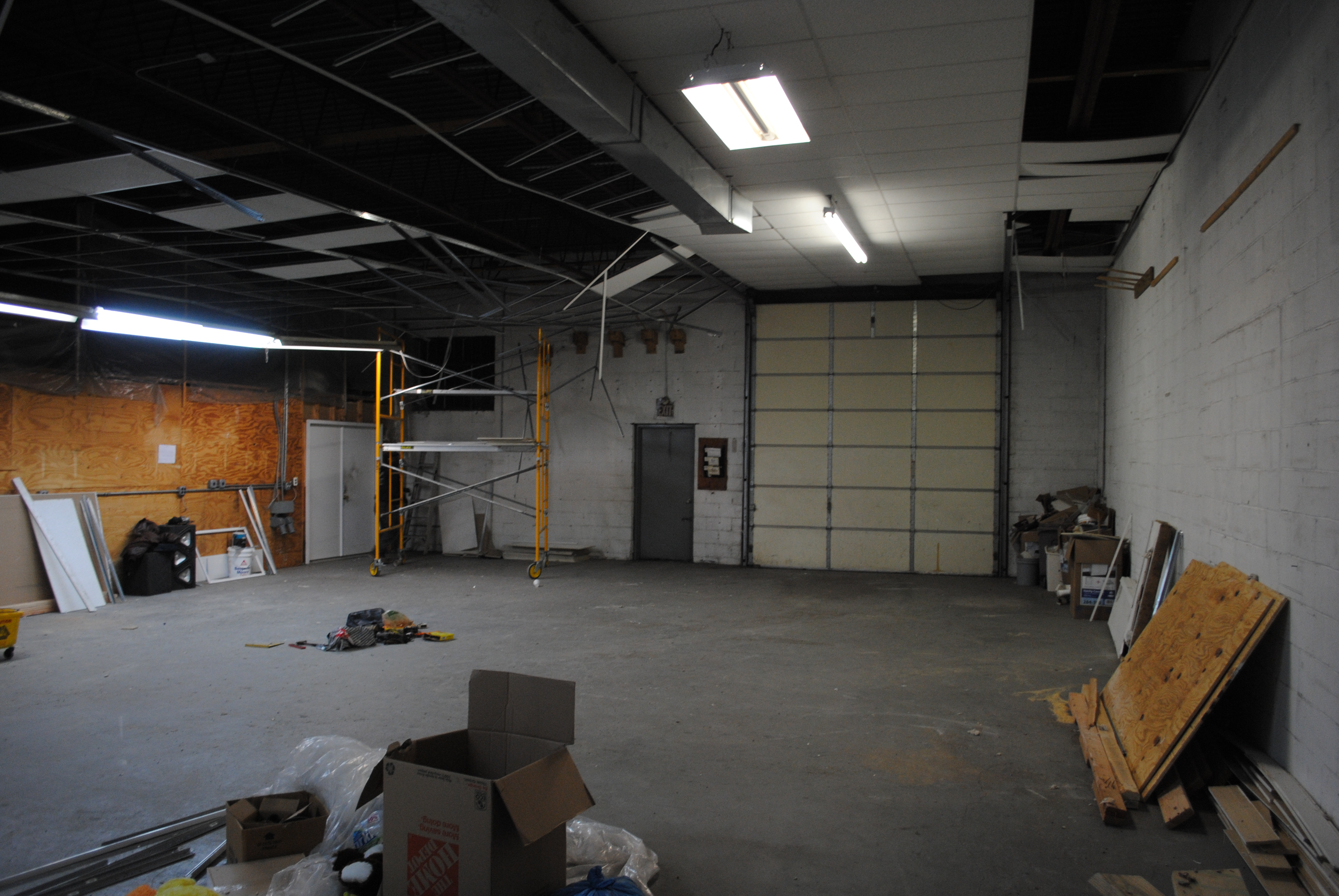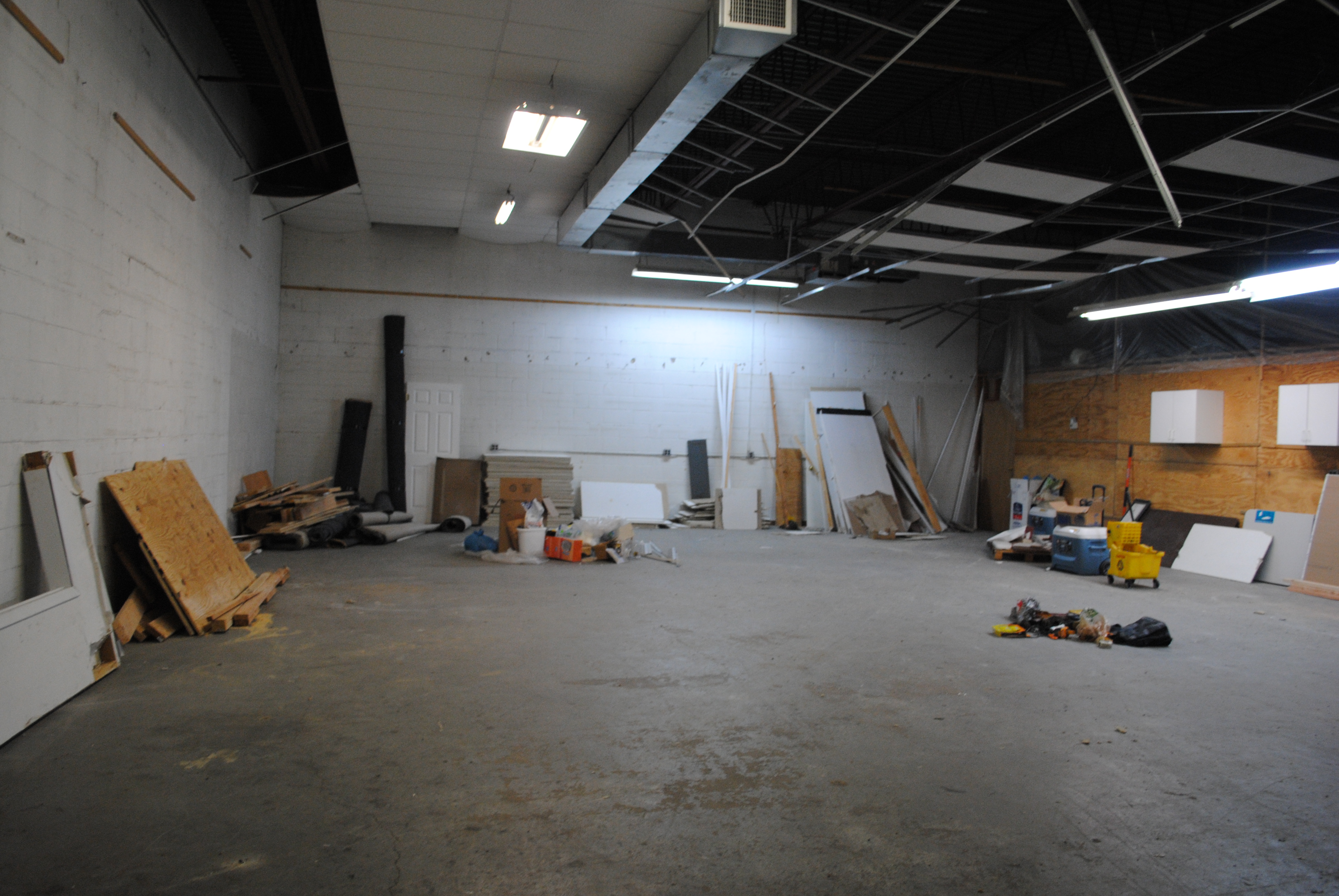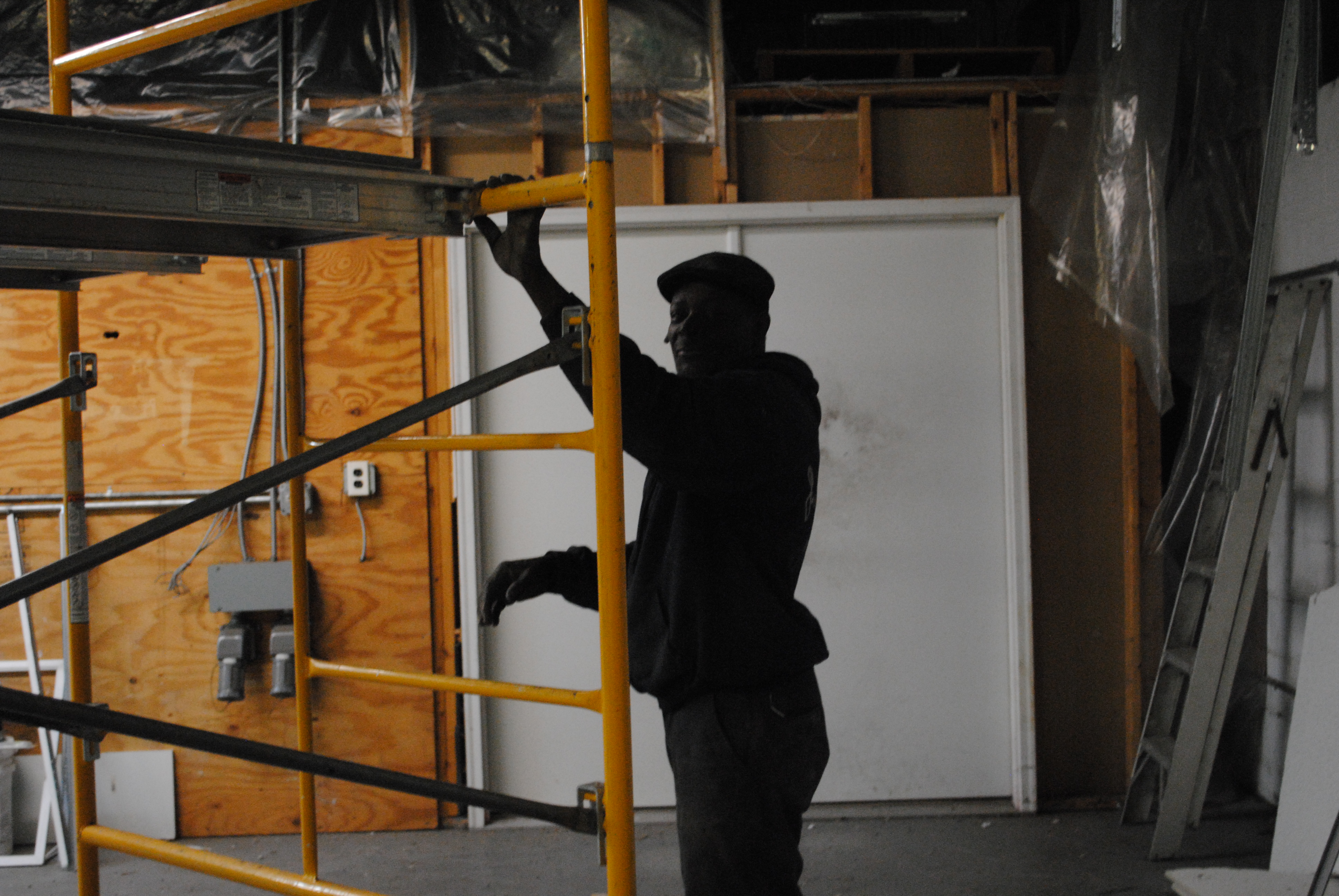
November 2013
[img src=https://mzgtiglobal.org/wp-content/flagallery/november-2013/thumbs/thumbs_dsc_0489.jpg]890
[img src=https://mzgtiglobal.org/wp-content/flagallery/november-2013/thumbs/thumbs_dsc_0471.jpg]750
[img src=https://mzgtiglobal.org/wp-content/flagallery/november-2013/thumbs/thumbs_dsc_0473.jpg]681
[img src=https://mzgtiglobal.org/wp-content/flagallery/november-2013/thumbs/thumbs_dsc_0474.jpg]590
[img src=https://mzgtiglobal.org/wp-content/flagallery/november-2013/thumbs/thumbs_dsc_0476.jpg]540
[img src=https://mzgtiglobal.org/wp-content/flagallery/november-2013/thumbs/thumbs_dsc_0484.jpg]530
[img src=https://mzgtiglobal.org/wp-content/flagallery/november-2013/thumbs/thumbs_dsc_0485.jpg]440
September 2013
[img src=https://mzgtiglobal.org/wp-content/flagallery/september-2013/thumbs/thumbs_dsc_0556.jpg]600
[img src=https://mzgtiglobal.org/wp-content/flagallery/september-2013/thumbs/thumbs_dsc_0557.jpg]541
[img src=https://mzgtiglobal.org/wp-content/flagallery/september-2013/thumbs/thumbs_dsc_0559.jpg]330
[img src=https://mzgtiglobal.org/wp-content/flagallery/september-2013/thumbs/thumbs_dsc_0560.jpg]360
[img src=https://mzgtiglobal.org/wp-content/flagallery/september-2013/thumbs/thumbs_dsc_0561.jpg]240
[img src=https://mzgtiglobal.org/wp-content/flagallery/september-2013/thumbs/thumbs_dsc_0563.jpg]330
[img src=https://mzgtiglobal.org/wp-content/flagallery/september-2013/thumbs/thumbs_dsc_0564.jpg]330
August 2013 - week 3
[img src=https://mzgtiglobal.org/wp-content/flagallery/august-2013-week-3/thumbs/thumbs_dsc_0206.jpg]380
[img src=https://mzgtiglobal.org/wp-content/flagallery/august-2013-week-3/thumbs/thumbs_dsc_0193.jpg]350
[img src=https://mzgtiglobal.org/wp-content/flagallery/august-2013-week-3/thumbs/thumbs_dsc_0196.jpg]260
[img src=https://mzgtiglobal.org/wp-content/flagallery/august-2013-week-3/thumbs/thumbs_dsc_0197.jpg]190
[img src=https://mzgtiglobal.org/wp-content/flagallery/august-2013-week-3/thumbs/thumbs_dsc_0198.jpg]170
[img src=https://mzgtiglobal.org/wp-content/flagallery/august-2013-week-3/thumbs/thumbs_dsc_0200.jpg]220
[img src=https://mzgtiglobal.org/wp-content/flagallery/august-2013-week-3/thumbs/thumbs_dsc_0201.jpg]120
[img src=https://mzgtiglobal.org/wp-content/flagallery/august-2013-week-3/thumbs/thumbs_dsc_0203.jpg]170
[img src=https://mzgtiglobal.org/wp-content/flagallery/august-2013-week-3/thumbs/thumbs_dsc_0205.jpg]100
August 2013 - week 2
[img src=https://mzgtiglobal.org/wp-content/flagallery/august-2013-week-2/thumbs/thumbs_dsc_0168.jpg]480
[img src=https://mzgtiglobal.org/wp-content/flagallery/august-2013-week-2/thumbs/thumbs_dsc_0169.jpg]380
[img src=https://mzgtiglobal.org/wp-content/flagallery/august-2013-week-2/thumbs/thumbs_dsc_0175.jpg]380
[img src=https://mzgtiglobal.org/wp-content/flagallery/august-2013-week-2/thumbs/thumbs_dsc_0176.jpg]310
[img src=https://mzgtiglobal.org/wp-content/flagallery/august-2013-week-2/thumbs/thumbs_dsc_0177.jpg]300
[img src=https://mzgtiglobal.org/wp-content/flagallery/august-2013-week-2/thumbs/thumbs_dsc_0182.jpg]410
[img src=https://mzgtiglobal.org/wp-content/flagallery/august-2013-week-2/thumbs/thumbs_dsc_0183.jpg]320
[img src=https://mzgtiglobal.org/wp-content/flagallery/august-2013-week-2/thumbs/thumbs_dsc_0178.jpg]320
[img src=https://mzgtiglobal.org/wp-content/flagallery/august-2013-week-2/thumbs/thumbs_dsc_0181.jpg]210
July 2013
[img src=https://mzgtiglobal.org/wp-content/flagallery/july-2013/thumbs/thumbs_dsc_0081.jpg]590
[img src=https://mzgtiglobal.org/wp-content/flagallery/july-2013/thumbs/thumbs_dsc_0083.jpg]480
[img src=https://mzgtiglobal.org/wp-content/flagallery/july-2013/thumbs/thumbs_dsc_0084.jpg]250
[img src=https://mzgtiglobal.org/wp-content/flagallery/july-2013/thumbs/thumbs_dsc_0085.jpg]330
[img src=https://mzgtiglobal.org/wp-content/flagallery/july-2013/thumbs/thumbs_dsc_0083.jpg]480
[img src=https://mzgtiglobal.org/wp-content/flagallery/july-2013/thumbs/thumbs_dsc_0084.jpg]250
[img src=https://mzgtiglobal.org/wp-content/flagallery/july-2013/thumbs/thumbs_dsc_0085.jpg]330
May 2013 - Planting the Garden
[img src=https://mzgtiglobal.org/wp-content/flagallery/may-2/thumbs/thumbs_dsc_0127.jpg]180
[img src=https://mzgtiglobal.org/wp-content/flagallery/may-2/thumbs/thumbs_dsc_0108.jpg]240
[img src=https://mzgtiglobal.org/wp-content/flagallery/may-2/thumbs/thumbs_dsc_0107.jpg]160
[img src=https://mzgtiglobal.org/wp-content/flagallery/may-2/thumbs/thumbs_dsc_0105.jpg]150
[img src=https://mzgtiglobal.org/wp-content/flagallery/may-2/thumbs/thumbs_dsc_0103.jpg]180
[img src=https://mzgtiglobal.org/wp-content/flagallery/may-2/thumbs/thumbs_dsc_0096.jpg]170
[img src=https://mzgtiglobal.org/wp-content/flagallery/may-2/thumbs/thumbs_dsc_0095.jpg]170
[img src=https://mzgtiglobal.org/wp-content/flagallery/may-2/thumbs/thumbs_dsc_0136.jpg]130
[img src=https://mzgtiglobal.org/wp-content/flagallery/may-2/thumbs/thumbs_dsc_0134.jpg]160
[img src=https://mzgtiglobal.org/wp-content/flagallery/may-2/thumbs/thumbs_dsc_0133.jpg]230
[img src=https://mzgtiglobal.org/wp-content/flagallery/may-2/thumbs/thumbs_dsc_0083.jpg]480
[img src=https://mzgtiglobal.org/wp-content/flagallery/may-2/thumbs/thumbs_dsc_0115.jpg]230
[img src=https://mzgtiglobal.org/wp-content/flagallery/may-2/thumbs/thumbs_dsc_0110.jpg]230
[img src=https://mzgtiglobal.org/wp-content/flagallery/may-2/thumbs/thumbs_dsc_0099.jpg]290
[img src=https://mzgtiglobal.org/wp-content/flagallery/may-2/thumbs/thumbs_dsc_0094.jpg]270
[img src=https://mzgtiglobal.org/wp-content/flagallery/may-2/thumbs/thumbs_dsc_0092.jpg]220
[img src=https://mzgtiglobal.org/wp-content/flagallery/may-2/thumbs/thumbs_dsc_0090.jpg]320
[img src=https://mzgtiglobal.org/wp-content/flagallery/may-2/thumbs/thumbs_dsc_0086.jpg]460
[img src=https://mzgtiglobal.org/wp-content/flagallery/may-2/thumbs/thumbs_dsc_0084.jpg]390
May 2013 - week 5
[img src=https://mzgtiglobal.org/wp-content/flagallery/may-2013-week-5/thumbs/thumbs_dsc_0074.jpg]350
[img src=https://mzgtiglobal.org/wp-content/flagallery/may-2013-week-5/thumbs/thumbs_dsc_0075.jpg]260
[img src=https://mzgtiglobal.org/wp-content/flagallery/may-2013-week-5/thumbs/thumbs_dsc_0076.jpg]200
[img src=https://mzgtiglobal.org/wp-content/flagallery/may-2013-week-5/thumbs/thumbs_dsc_0077.jpg]120
[img src=https://mzgtiglobal.org/wp-content/flagallery/may-2013-week-5/thumbs/thumbs_dsc_0078.jpg]130
[img src=https://mzgtiglobal.org/wp-content/flagallery/may-2013-week-5/thumbs/thumbs_dsc_0079.jpg]130
[img src=https://mzgtiglobal.org/wp-content/flagallery/may-2013-week-5/thumbs/thumbs_dsc_0080.jpg]110
[img src=https://mzgtiglobal.org/wp-content/flagallery/may-2013-week-5/thumbs/thumbs_dsc_0081.jpg]110
[img src=https://mzgtiglobal.org/wp-content/flagallery/may-2013-week-5/thumbs/thumbs_dsc_0082.jpg]80
May 2013 - week 4
[img src=https://mzgtiglobal.org/wp-content/flagallery/may-2013-week-4/thumbs/thumbs_dsc_0065.jpg]400
[img src=https://mzgtiglobal.org/wp-content/flagallery/may-2013-week-4/thumbs/thumbs_dsc_0066.jpg]290
[img src=https://mzgtiglobal.org/wp-content/flagallery/may-2013-week-4/thumbs/thumbs_dsc_0067.jpg]200
[img src=https://mzgtiglobal.org/wp-content/flagallery/may-2013-week-4/thumbs/thumbs_dsc_0070.jpg]220
[img src=https://mzgtiglobal.org/wp-content/flagallery/may-2013-week-4/thumbs/thumbs_dsc_0071.jpg]160
[img src=https://mzgtiglobal.org/wp-content/flagallery/may-2013-week-4/thumbs/thumbs_dsc_0073.jpg]220
May 2013 - week 3
[img src=https://mzgtiglobal.org/wp-content/flagallery/may-2013-week-3/thumbs/thumbs_dsc_0057.jpg]320
[img src=https://mzgtiglobal.org/wp-content/flagallery/may-2013-week-3/thumbs/thumbs_dsc_0056.jpg]220
[img src=https://mzgtiglobal.org/wp-content/flagallery/may-2013-week-3/thumbs/thumbs_dsc_0055.jpg]180
[img src=https://mzgtiglobal.org/wp-content/flagallery/may-2013-week-3/thumbs/thumbs_dsc_0054.jpg]90
[img src=https://mzgtiglobal.org/wp-content/flagallery/may-2013-week-3/thumbs/thumbs_dsc_0051.jpg]60
[img src=https://mzgtiglobal.org/wp-content/flagallery/may-2013-week-3/thumbs/thumbs_dsc_0060.jpg]50
[img src=https://mzgtiglobal.org/wp-content/flagallery/may-2013-week-3/thumbs/thumbs_dsc_0061.jpg]80
[img src=https://mzgtiglobal.org/wp-content/flagallery/may-2013-week-3/thumbs/thumbs_dsc_0062.jpg]100
April 2013 - Week 3
[img src=https://mzgtiglobal.org/wp-content/flagallery/april-2013-week-3/thumbs/thumbs_dsc_0031.jpg]360
[img src=https://mzgtiglobal.org/wp-content/flagallery/april-2013-week-3/thumbs/thumbs_dsc_0032.jpg]330
[img src=https://mzgtiglobal.org/wp-content/flagallery/april-2013-week-3/thumbs/thumbs_dsc_0033.jpg]190
[img src=https://mzgtiglobal.org/wp-content/flagallery/april-2013-week-3/thumbs/thumbs_dsc_0034.jpg]220
[img src=https://mzgtiglobal.org/wp-content/flagallery/april-2013-week-3/thumbs/thumbs_dsc_0036.jpg]110
[img src=https://mzgtiglobal.org/wp-content/flagallery/april-2013-week-3/thumbs/thumbs_dsc_0037.jpg]150
[img src=https://mzgtiglobal.org/wp-content/flagallery/april-2013-week-3/thumbs/thumbs_dsc_0039.jpg]160
April 2013 - Week 2
[img src=https://mzgtiglobal.org/wp-content/flagallery/april-2013-week-2/thumbs/thumbs_dsc_0002.jpg]370
[img src=https://mzgtiglobal.org/wp-content/flagallery/april-2013-week-2/thumbs/thumbs_dsc_0003.jpg]290
[img src=https://mzgtiglobal.org/wp-content/flagallery/april-2013-week-2/thumbs/thumbs_dsc_0004.jpg]190
[img src=https://mzgtiglobal.org/wp-content/flagallery/april-2013-week-2/thumbs/thumbs_dsc_0005.jpg]130
[img src=https://mzgtiglobal.org/wp-content/flagallery/april-2013-week-2/thumbs/thumbs_dsc_0006.jpg]120
[img src=https://mzgtiglobal.org/wp-content/flagallery/april-2013-week-2/thumbs/thumbs_dsc_0007.jpg]110
[img src=https://mzgtiglobal.org/wp-content/flagallery/april-2013-week-2/thumbs/thumbs_dsc_0008.jpg]100
[img src=https://mzgtiglobal.org/wp-content/flagallery/april-2013-week-2/thumbs/thumbs_dsc_0009.jpg]70
[img src=https://mzgtiglobal.org/wp-content/flagallery/april-2013-week-2/thumbs/thumbs_dsc_0010.jpg]60
[img src=https://mzgtiglobal.org/wp-content/flagallery/april-2013-week-2/thumbs/thumbs_dsc_0013.jpg]70
March 2013 - Week 4
[img src=https://mzgtiglobal.org/wp-content/flagallery/march-2013-week-4/thumbs/thumbs_dsc_0001.jpg]550
[img src=https://mzgtiglobal.org/wp-content/flagallery/march-2013-week-4/thumbs/thumbs_dsc_0002.jpg]510
[img src=https://mzgtiglobal.org/wp-content/flagallery/march-2013-week-4/thumbs/thumbs_dsc_0003.jpg]370
[img src=https://mzgtiglobal.org/wp-content/flagallery/march-2013-week-4/thumbs/thumbs_dsc_0004.jpg]320
[img src=https://mzgtiglobal.org/wp-content/flagallery/march-2013-week-4/thumbs/thumbs_dsc_0005.jpg]290
[img src=https://mzgtiglobal.org/wp-content/flagallery/march-2013-week-4/thumbs/thumbs_dsc_0182.jpg]240
[img src=https://mzgtiglobal.org/wp-content/flagallery/march-2013-week-4/thumbs/thumbs_dsc_0183.jpg]270
[img src=https://mzgtiglobal.org/wp-content/flagallery/march-2013-week-4/thumbs/thumbs_dsc_0184.jpg]270
[img src=https://mzgtiglobal.org/wp-content/flagallery/march-2013-week-4/thumbs/thumbs_dsc_0186.jpg]290
[img src=https://mzgtiglobal.org/wp-content/flagallery/march-2013-week-4/thumbs/thumbs_dsc_0188.jpg]240
[img src=https://mzgtiglobal.org/wp-content/flagallery/march-2013-week-4/thumbs/thumbs_dsc_0189.jpg]230
[img src=https://mzgtiglobal.org/wp-content/flagallery/march-2013-week-4/thumbs/thumbs_dsc_0190.jpg]300
March 2013 - Week 3
[img src=https://mzgtiglobal.org/wp-content/flagallery/march-2013-week-3/thumbs/thumbs_dsc_0174.jpg]500
[img src=https://mzgtiglobal.org/wp-content/flagallery/march-2013-week-3/thumbs/thumbs_dsc_0177.jpg]460
[img src=https://mzgtiglobal.org/wp-content/flagallery/march-2013-week-3/thumbs/thumbs_dsc_0178.jpg]450
[img src=https://mzgtiglobal.org/wp-content/flagallery/march-2013-week-3/thumbs/thumbs_dsc_0179.jpg]330
[img src=https://mzgtiglobal.org/wp-content/flagallery/march-2013-week-3/thumbs/thumbs_dsc_0180.jpg]390
March 2013 - Week 2
[img src=https://mzgtiglobal.org/wp-content/flagallery/church-construction-2013/thumbs/thumbs_dsc_0048.jpg]700
[img src=https://mzgtiglobal.org/wp-content/flagallery/church-construction-2013/thumbs/thumbs_dsc_0049.jpg]550
[img src=https://mzgtiglobal.org/wp-content/flagallery/church-construction-2013/thumbs/thumbs_dsc_0050.jpg]400
[img src=https://mzgtiglobal.org/wp-content/flagallery/church-construction-2013/thumbs/thumbs_dsc_0051.jpg]370
March 2013 - Week 1
[img src=https://mzgtiglobal.org/wp-content/flagallery/march-2013-week-1/thumbs/thumbs_dsc_0001.jpg]700
[img src=https://mzgtiglobal.org/wp-content/flagallery/march-2013-week-1/thumbs/thumbs_dsc_0005.jpg]620
[img src=https://mzgtiglobal.org/wp-content/flagallery/march-2013-week-1/thumbs/thumbs_dsc_0010.jpg]560
[img src=https://mzgtiglobal.org/wp-content/flagallery/march-2013-week-1/thumbs/thumbs_dsc_0011.jpg]470
[img src=https://mzgtiglobal.org/wp-content/flagallery/march-2013-week-1/thumbs/thumbs_dsc_0012.jpg]460
[img src=https://mzgtiglobal.org/wp-content/flagallery/march-2013-week-1/thumbs/thumbs_dsc_0016.jpg]410
[img src=https://mzgtiglobal.org/wp-content/flagallery/march-2013-week-1/thumbs/thumbs_dsc_0021.jpg]410
[img src=https://mzgtiglobal.org/wp-content/flagallery/march-2013-week-1/thumbs/thumbs_dsc_0026.jpg]340
[img src=https://mzgtiglobal.org/wp-content/flagallery/march-2013-week-1/thumbs/thumbs_dsc_0027.jpg]330
[img src=https://mzgtiglobal.org/wp-content/flagallery/march-2013-week-1/thumbs/thumbs_dsc_0029.jpg]380
[img src=https://mzgtiglobal.org/wp-content/flagallery/march-2013-week-1/thumbs/thumbs_dsc_0035.jpg]400
[img src=https://mzgtiglobal.org/wp-content/flagallery/march-2013-week-1/thumbs/thumbs_dsc_0039.jpg]280
[img src=https://mzgtiglobal.org/wp-content/flagallery/march-2013-week-1/thumbs/thumbs_dsc_0042.jpg]380
February 2013
[img src=https://mzgtiglobal.org/wp-content/flagallery/february-2013/thumbs/thumbs_dsc_1085.jpg]600
[img src=https://mzgtiglobal.org/wp-content/flagallery/february-2013/thumbs/thumbs_dsc_1086.jpg]550
[img src=https://mzgtiglobal.org/wp-content/flagallery/february-2013/thumbs/thumbs_dsc_1087.jpg]440
[img src=https://mzgtiglobal.org/wp-content/flagallery/february-2013/thumbs/thumbs_dsc_1088.jpg]430
[img src=https://mzgtiglobal.org/wp-content/flagallery/february-2013/thumbs/thumbs_dsc_1089.jpg]380